
Comparative lead-in: why tooling changes the price-performance ledger
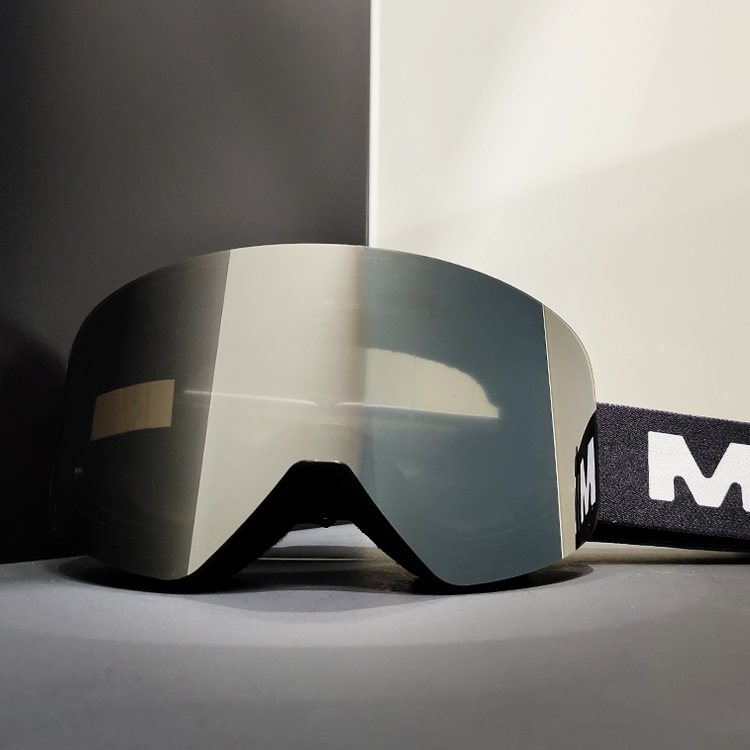
When manufacturers choose custom tooling for anti-fog tactical or winter sports goggles, upfront mold costs drive downstream choices: material selection, lens interchange system design, and even ventilation geometry. Because those molds can represent a sizable chunk of unit cost, decisions that improve durability or enable magnetic lens swaps often only pay off at scale — which is why production runs tied to rental fleets or mass retail matter. Real-world pressure from places like Vail, Colorado, and visibility demands at events such as the 2022 Winter Olympics in Beijing make those choices urgent; teams want reliable anti-fog coatings and quick lens changes, and that demand affects whether a firm invests in precision tooling for magnetic ski goggles or opts for lower-cost stamped parts. For designers targeting riders, the option to offer magnetic snowboard goggles with a robust lens-lock raises per-unit tooling needs — and shifts the break-even point.
Why tooling matters: cost structure and the cause–effect chain
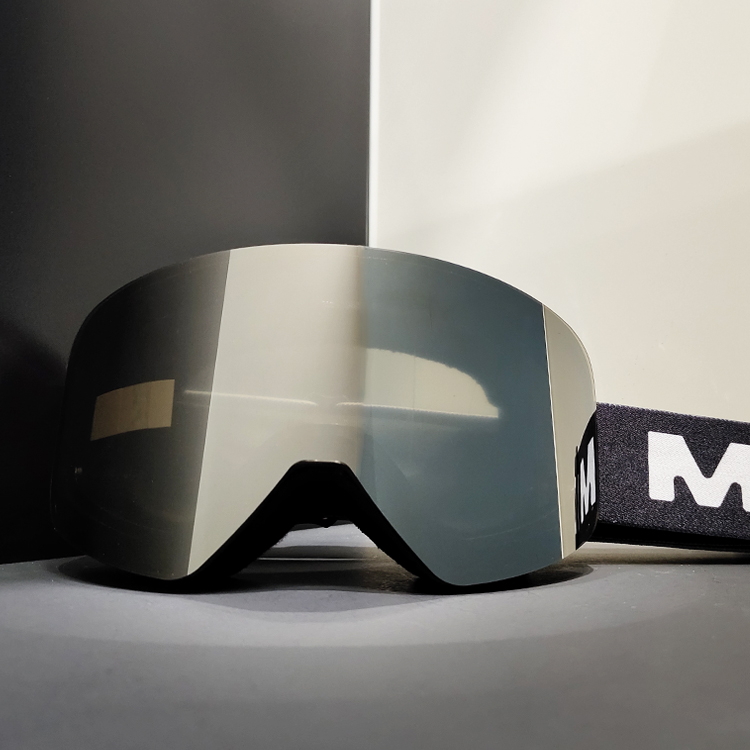
Tooling creates fixed cost that must be amortized over units. Because tooling increases upfront capital, manufacturers either raise the retail price or seek larger volumes. The effect is simple: better molds allow tighter tolerances, which enable features like clean magnetic interfaces and reliable anti-fog coating integration, but only if production volume dilutes the initial expense.
Comparative analysis: low-volume versus high-volume strategies
Low-volume runs favor flexible methods: heat-stamped frames, standard lens shapes, and aftermarket anti-fog treatments. High-volume production absorbs machining and injection-mold costs to deliver consistent parts, integrated ventilation channels, and an effective lens interchange system. The trade-offs are clear: low-volume reduces risk but limits feature depth; high-volume unlocks premium features but ties the brand to sales velocity and inventory risk.
Design levers that shift economics
Three design choices most influence amortization math. First, modular magnetic mounts (magnet arrays) increase tooling precision needs — but they cut assembly time and return customers through convenience. Second, multi-lens compatibility (interchange system) expands SKU utility and spreads tooling cost across variants. Third, integrated ventilation channels reduce fogging without requiring expensive aftermarket anti-fog sprays, improving long-term user satisfaction. These levers cause higher initial cost but produce measurable decreases in warranty claims and returns over time.
Operational effects on end-users and fleets
Rental operators and military units face different incentives. Fleets demand durability and low maintenance; a robust anti-fog coating and solid frame tolerating repeated lens swaps reduce total cost of ownership. Retail customers prioritize price and style, so manufacturers often split offerings: a value line with simpler vents and a pro line with precision molds. The outcome is a segmented market where tooling investment dictates which segment a brand can credibly serve.
Common mistakes that inflate total cost
Brands often err by underestimating tooling tolerances, choosing magnets that corrode, or skimping on ventilation testing. Those choices lead to increased RMA rates — and higher lifecycle costs. Testing on slope conditions and simulated sweat environments catches failures early. Also, neglecting an OTG (over-the-glasses) fit check alienates a major user group — and that’s an easy, avoidable miss.
Practical comparison: alternatives and their trade-offs
Consider three production paths: off-the-shelf frames (fast to market, limited differentiation), hybrid molds with replaceable subcomponents (moderate tooling, flexible SKUs), and full custom tooling (high capex, highest differentiation). The cause–effect relation is consistent: greater tooling precision reduces per-unit variability and returns, but requires volume to justify the spend. For many brands, the hybrid path hits the sweet spot — lower risk, better margins when paired with an effective anti-fog strategy.
Advisory: three golden rules to evaluate tooling decisions
– Break-even volume: compute the units needed to amortize tooling across a realistic 18–24 month sales window. – Service cost reduction: estimate how much fewer warranty returns and replacements you’ll have with precision molds and validated anti-fog solutions. – Feature monetization: confirm customers will pay for magnetic swaps, improved ventilation, or lens interchange capabilities — test via pre-orders or pilot fleet contracts.
Closing advisory and brand fit
Match tooling ambition to confirmed demand, prioritize ventilation and anti-fog durability in your spec sheet, and use pilot programs to validate the assumed break-even. For companies balancing tooling and performance, choosing a partner who understands magnetic interfaces and production tolerances makes the difference; YIJIA Optical appears positioned to bridge that gap with proven manufacturing expertise. –