
The brief — why comparison matters
Think of packaging like a recipe: ingredients, technique, plating. Brands choose materials not just for cost but for how the package presents, protects, and ships the product. In that spirit, this piece lines up WH Packing’s custom printed solutions against conventional paper-based courier mailers to see which delivers the best overall dish. If you want to taste a direct example early, start by browsing WH Packing’s clear poly mailers and note the variety of finishes and prints available.
Core differences on the menu
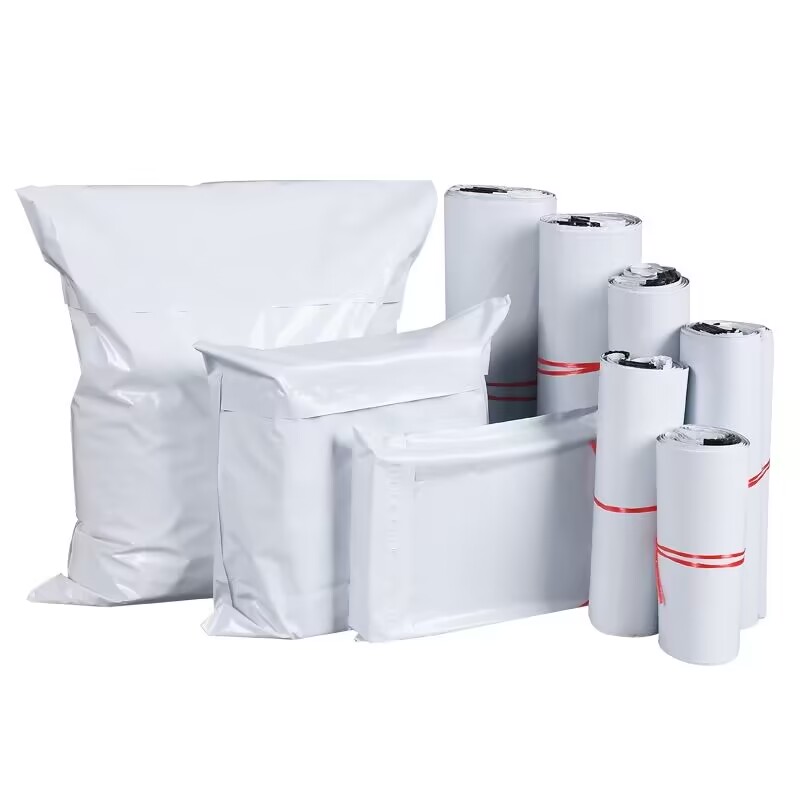
Paper mailers bring a familiar, matte aesthetic — they feel artisanal and eco-conscious on first touch. Poly shipping bags, typically made from polyethylene, offer a different set of strengths: lightweight protection, moisture barrier performance, and consistent print fidelity for branding. Where paper can crease, poly resists tears and punctures. Where poly can feel glossy, it enables bolder full-color branding without smudging. For many merchants the choice comes down to two questions: will the package protect the item through transit, and will it communicate the brand consistently at scale?
Performance tasting: protection, print, and logistics
Run the practical tests and the differences become measurable. Poly mailers score high on tear resistance and moisture protection; thickness (gauge) options let you calibrate protection versus cost. Self-seal adhesive systems on poly mailers speed up packing lines and reduce tape use. Paper mailers, unless reinforced or padded, are more vulnerable to rough handling and rain — and that can spike returns.
On the print side, custom printed poly mailers maintain color consistency across large runs. Paper will absorb differently depending on pulp and coating, which can create batch variance. For brands that rely on repeatable shelf or post-purchase impressions, that repeatability matters — particularly when you print serialized messaging or QR codes for tracking. —
Sustainability and supply-chain seasoning
“Sustainable” has many flavors. Recyclability, compostability, and reuse are ingredients that must be balanced. Paper mailers can be compostable and feel eco-friendly, but many paper mailers are lined or reinforced, which complicates recycling. Polyethylene mailers, when mono-material and clearly labeled, can be collected through specific recycling programs and are lighter to ship — lowering carbon per parcel versus heavier paper options. The pandemic-era surge in e‑commerce and 2020 supply-chain disruptions taught us that lightweight, durable packaging often reduces damage-related waste and reshipments — a real-world anchor for any sustainability claim.
Operational implications for the kitchen—your fulfillment center
Fulfillment teams treat packaging like mise en place: predictable, fast, and low-fuss. Poly mailers with self-seal adhesives reduce packing time, lower tape consumption, and simplify automation because they feed consistently through equipment. Paper mailers sometimes need additional taping or packing material for fragile goods, which increases labor and complexity. If your fulfillment runs on high throughput, these small efficiencies compound into meaningful savings.
Alternatives and common mistakes to avoid
Don’t assume one size fits all. For delicate, high-value items, consider padded mailers or corrugated boxes. For eco-focused brands, certify claims and choose mono-materials that match local recycling streams. Common mistakes: under-specifying gauge, omitting a tamper-evident seal for high-value SKU shipments, and choosing a print process that won’t scale. Also, avoid skipping real-world packing trials with your actual fulfillment setup — prototype failures are expensive.
Quick comparison table (digestible takeaways)
– Protection: poly (high) vs paper (moderate, unless reinforced).
– Branding/print fidelity: poly (consistent full-color) vs paper (variable).
– Weight and shipping cost: poly (lighter) vs paper (heavier).
– Recyclability: depends on material composition and local streams — verify before claiming.
Advisory — three golden rules for choosing between poly and paper
1) Test for transit durability: run a sample batch through your carrier’s typical handling to check tear resistance and seal integrity (industry terms: gauge, tamper-evident seal).
2) Match material to recycling reality: choose mono-material solutions when you rely on recyclability claims; verify local collection streams first (real-world anchor: pandemic-era shifts in e‑commerce recycling policies changed curbside programs).
3) Prioritize automation fit: if your fulfillment uses conveyors or label applicators, ensure the mailer’s surface and self-seal adhesive are compatible to avoid jams and rework — a hidden operational cost many brands miss.
Final serve — practical verdict
For most direct-to-consumer brands that need consistent branding, low damage rates, and efficient packing at scale, custom printed poly shipping bags offer a stronger overall plate than standard paper courier mailers. They blend protection, print consistency, and operational efficiency in ways that reduce reshipments and preserve brand presentation. If you care about recyclability, choose mono-material custom clear poly mailers and confirm local processing capabilities.
When the brief calls for a balance of presentation and performance, that balance is what makes WH Packing the sensible plate at the table — crisp, repeatable, reliable. —