
Start with the problem — noisy video, worse outcomes
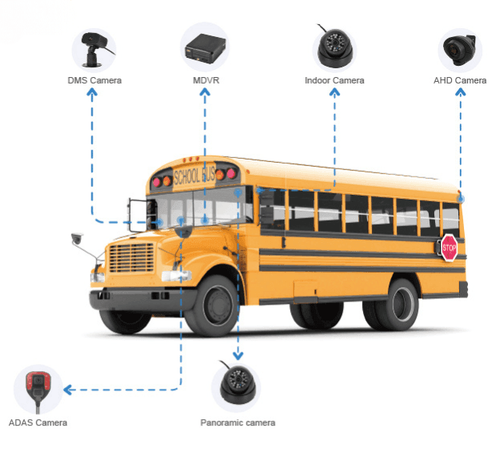
Fleets keep buying cameras and pretending the company vans suddenly got wise; instead they get mountains of footage and zero actionable insight. Upgrading to an AI dashcam that actually talks to ADAS, DMS, GPS and your video telematics cuts the nonsense. Picking the right fleet dashcams isn’t about resolution numbers; it’s about whether the devices share context so alerts mean something. I’ve seen this played out during municipal pilot installs in New York City — same problems, same fixes, clearer ROI once systems were integrated.
Problems that make dashcams worse than nothing
– False positives: motion or glare trips an alert every five minutes, burying real events. – Disconnected stacks: camera video can’t be matched to GPS or ADAS events, so you lose causality. – Driver trust: DMS that nags for every blink trains drivers to ignore warnings. – Data overload: footage sits unreviewed because the team lacks sift-and-prioritize tools. These are operational breakdowns, not tech mysteries. Fix the flow of signals, and you fix the outcome.
How integration actually solves those problems
– Contextual alerts: combine ADAS event flags with camera clips and GPS so “hard brake + forward camera + location” becomes a high-priority incident. – Smarter filtering: DMS paired with telematics distinguishes true distraction from a quick glance at the mirror. – Evidence that’s usable: synchronized video + GPS + event tags turns hours of footage into 10–30 second clips that matter. – Actionable dashboards: when the stack is coherent, managers get clear follow-ups instead of vague noise.
Alternatives evaluated — standalone camera vs integrated stack
Standalone camera pros: cheaper upfront, simple install. Cons: isolated footage, manual review, low signal-to-noise. Integrated stack pros: event-aligned clips, automated severity scoring, driver coaching paths. Cons: higher initial planning and configuration. If your pain is “too much irrelevant footage” choose integration. If your pain is strictly “one cheap camera for liability” a standalone might do — but expect more manual work.
Common rollout mistakes to avoid
– Mounting angles picked blind: test at driving speeds and different drivers before finalizing placement. – Ignoring firmware and calibration: ADAS and DMS calibrations drift; update and recalibrate on schedule. – Expecting instant perfection: tune thresholds for false positives with real fleet data. – Skipping privacy planning: define data retention and driver notice up front to avoid conflicts later.
Quick checklist for a problem-driven deployment
– Confirm ADAS and DMS event tags are exposed to telematics. – Ensure GPS timestamps sync to camera clocks. – Run a 2-week pilot with varied routes and drivers. – Triage alerts into high/medium/low and set review SLAs. – Train managers on what to act on — short clips first, full reviews later.
Wrap-up — pick solutions that stop noise and start results
Fix the signal chain: when video, ADAS, DMS and GPS stop talking past each other, you stop chasing ghosts and start reducing incidents. Practical deployments focus on alignment, sensible thresholds, and small pilots that prove the value. That’s the route fleets should choose, and it’s the sort of integrated hardware and software approach companies like BSJ build into real operational programs without the marketing fluff.