
Intro: A Night Charger, a Quiet Grid, and a Big Question
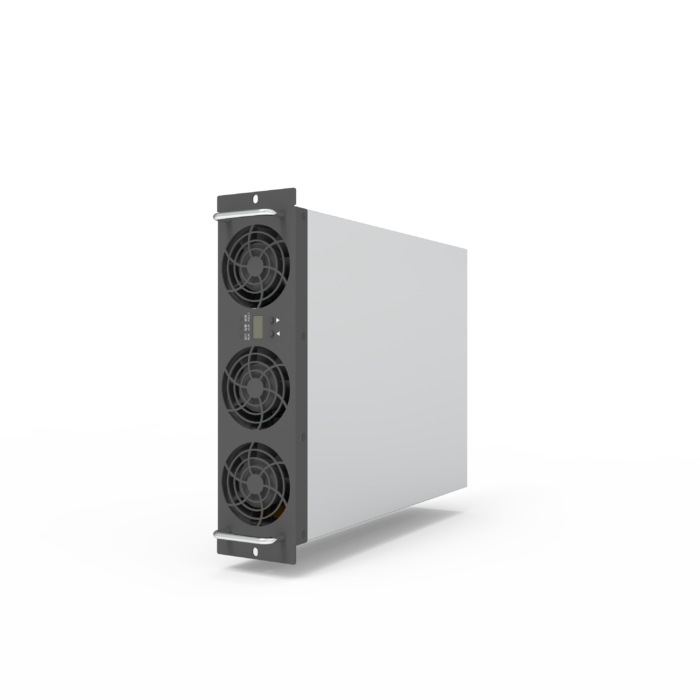
A friend in Monterrey told me this: he plugs in at midnight, hopes for cheap power, and wakes up to a full battery and a calmer bill—hasta ahí, all good. In that moment, the charge discharge module decides if energy flows into the car or back to the home. With a setup like the 22kw DC EV charger 20, the promise sounds simple. But the data says demand spikes can add 20–40% to monthly costs, and many garages run hot, cutting performance. So, why do smart systems still feel clunky when life gets messy, compa?
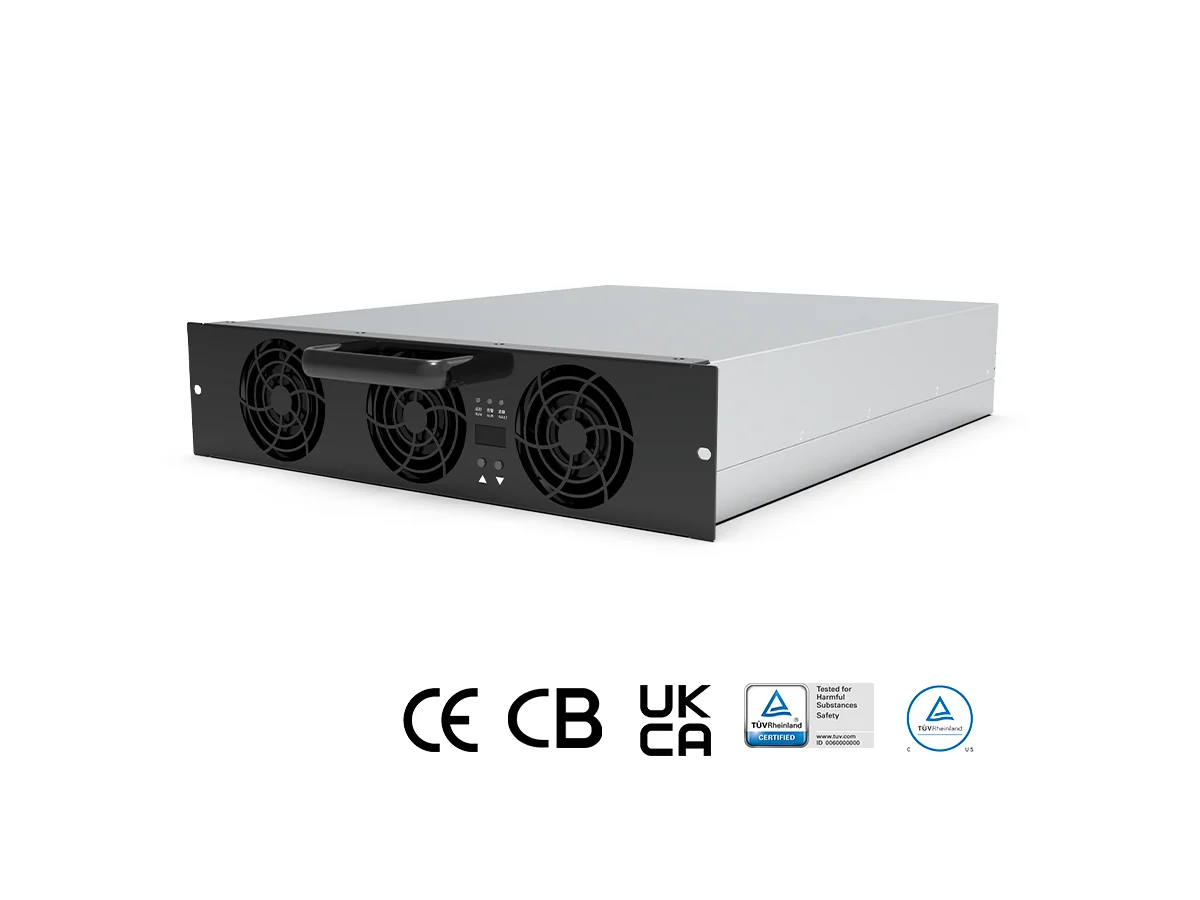
Here’s the kicker: we compare specs on paper, yet real homes are noisy—solar swings, kids flipping breakers, and grids tossing quick sags. Those little moments drive big outcomes. If your module can’t adapt fast, you pay more and get less. The question is not “Does it charge?” It’s “Does it decide well under pressure?” (neta). Keep that in mind as we dig in—there’s a smarter way coming next.
Hidden Frictions You Feel but Rarely Name
Where do old setups fall short?
Let’s go technical for a minute, sin drama. Many older systems treat the battery like a bucket: fill, then stop. That misses timing. Real value lives in the decision layer—when to push power to a hot DC bus, when to pull back, and how to smooth the grid. The gap? Slow control loops and basic logic. A bidirectional inverter needs to read voltage blips, temperature, and tariff windows at once, then act. Look, it’s simpler than you think: fast sensing plus clean commands equals lower cost. Without that, thermal derating kicks in, the fan screams, and efficiency dips. — funny how that works, right?
Here’s the user pain, quiet but sharp. You hate hearing the fan at 2 a.m. You hate the app lag. You hate seeing “charging paused” because a hair dryer tripped a line. Traditional power converters focus on raw kilowatts, not the flow. They also ignore edge conditions: cramped garages, poor airflow, and patchy Wi‑Fi. If your controller can’t prioritize loads during a brownout, grid‑tied resilience collapses. The take? Decision quality beats peak number ratings. If the module can forecast a 10-minute price bump and buffer it, your wallet smiles and your battery stays cool longer.
Comparative Outlook: Principles That Change the Game
What’s Next
Now let’s look forward, with a comparative lens. Old logic was linear: charge when low, stop when full. New technology principles teach the module to trade energy like a pro. Think predictive control plus fine-grain current shaping. Instead of chasing the grid, it anticipates it. That means the device aligns with peak shaving windows, trims harmonic distortion, and respects thermal headroom without panic. When a home circuit stumbles, the controller soft-lands the DC bus, not slams it. Pair that with a V2G charging solution, and your car becomes a calm micro‑asset—quiet at night, quick at dawn.
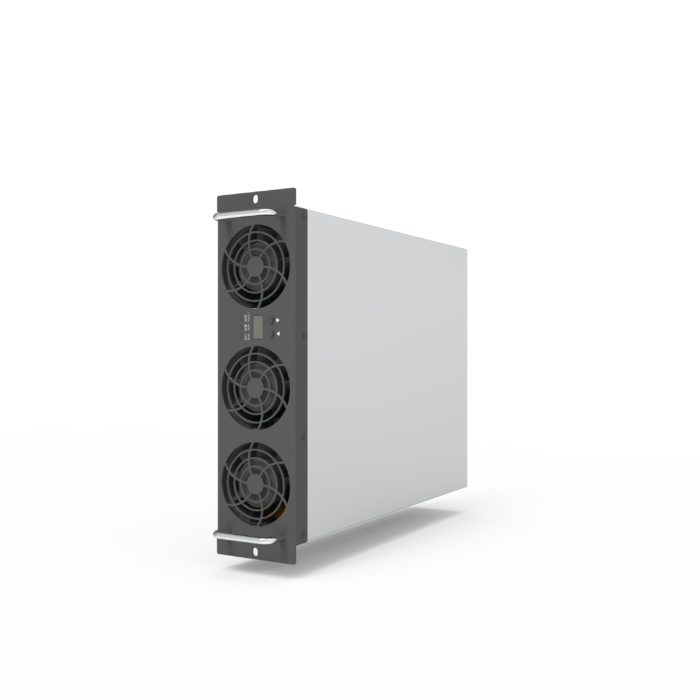
So, what did we learn compared to the old way? First, timing beats brute force; the right 10 minutes outperforms an hour of guesswork. Second, cooling is a system problem, not just a fan problem; smart decisions cut heat before it forms. Third, “smart” only counts if latency stays low and signals are clear—funny how that loops back to comfort and cost. For picking gear, keep three metrics in your pocket: measure real round‑trip efficiency at your typical load (not just at peak), check dynamic response time to grid sags under 100 ms, and confirm thermal stability at your garage’s worst‑case ambient. Do that, and your nights stay quiet, your bill stays predictable, and your battery ages well. If you want a point of reference without the hype, browse winline EV charging for specs you can actually compare.