
First Impressions — and Why They Matter
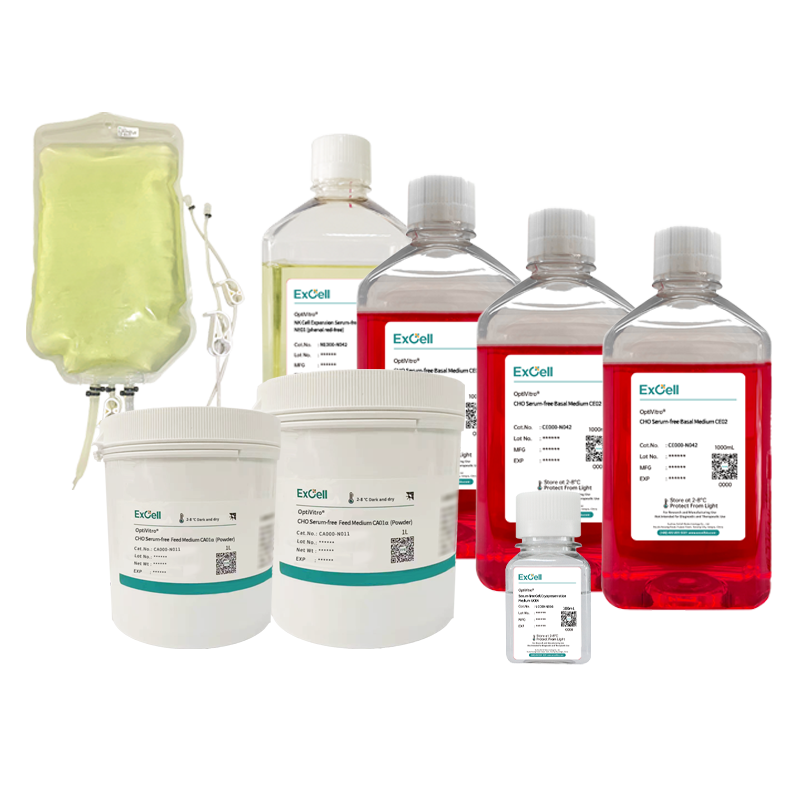
Have you ever wondered why a seemingly small media swap can derail a whole run? I ask that because, after over 15 years consulting in upstream bioprocessing, I’ve seen it more than once — in Shenzhen, in a small GMP suite, back in June 2019. On that morning we swapped a serum-free culture medium for a cheaper basal mix and within four days the viable cell density fell 30% and monoclonal antibody titer dropped 22%. That kind of hit is the reason I point customers toward best media for cho cells early on.
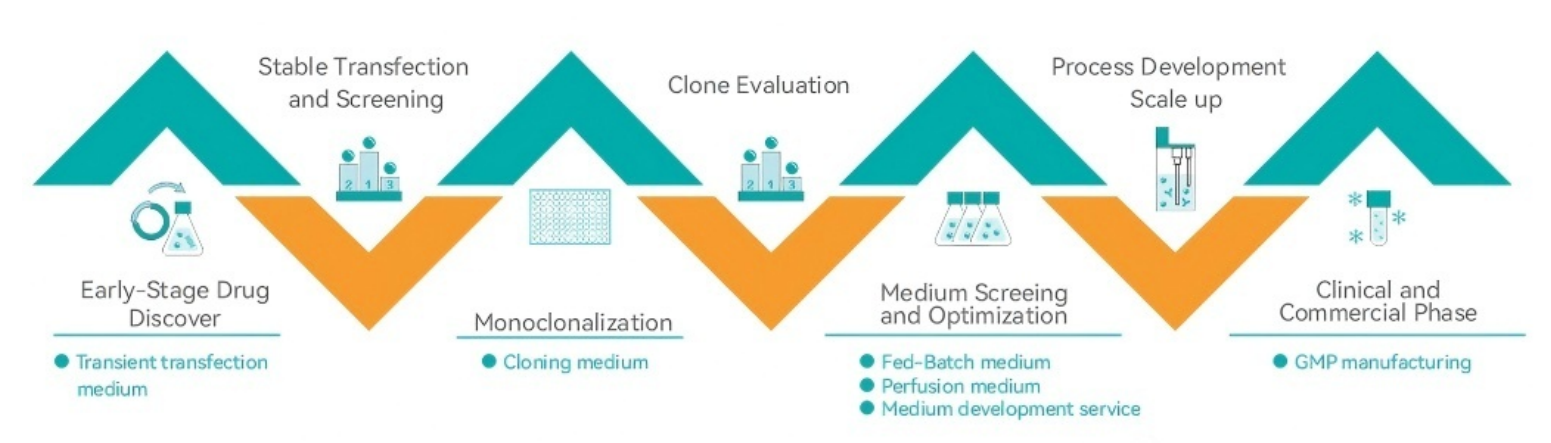
I’ll be frank: users often believe all “CHO media” is interchangeable. It is not. CHO cells respond to osmolality shifts, glutamine levels, and specific growth factors in ways that vary by clone and bioreactor mode (fed-batch versus perfusion). I once tested Thermo Fisher CD CHO and HyClone CDM4CHO side-by-side in an Ambr15 run; clone A doubled every 36 hours in one and every 48 hours in the other — not minor. Those details matter — odd, but true — and they expose hidden pain points that standard vendor specs won’t reveal. This matters whether you’re a small lab in Tai Po or a contract manufacturer in Kwun Tong. Let’s move into how the traditional fixes miss the mark.
Why Traditional Solutions Often Fail
Most teams default to “standard” serum-free media plus incremental supplements. I’ve seen this play out: buy basal medium, add generic feed, hope for the best. The flaw is twofold. First, many basal media lack tailored amino acid balances or proprietary growth promoters that stabilise glycosylation profiles for specific clones. Second, control parameters — pH setpoints, dissolved oxygen, osmolality — are often tuned for another medium, not the one in the vessel. The result: you chase parameters instead of matching the right medium to your clone and process (I remember recalibrating pH control after a media swap in December 2020 and saving a run).
Practical Fixes I Recommend
I prefer an evidence-first approach. Start with a small-scale head-to-head (Ambr or shake flask) using target clone, test at least two candidate media, and measure viable cell density, specific productivity, and glycan distribution at days 4, 7, and 10. Specific product example: when we moved a CHO-K1 line to a chemically defined, low-lactate medium, lactate peaked 40% lower and viable cell integral increased 18% — tangible gains. Keep records: lot numbers, supplement brands, and environmental data. These are the concrete details that protect runs and budgets.
Looking Ahead: Matching Media to Process (Technical View)
Now, let’s be technical. Media formulation is not just nutrients — it’s about buffering capacity, trace elements, and osmolality compatibility with your bioreactor control strategy. For perfusion you might favour low-glucose, high-glutamate blends to limit lactate; for fed-batch, feeds rich in proprietary lipids and growth factors can sustain productivity. I regularly compare impact on product quality attributes: charge variants, aggregation, and N-linked glycosylation. When we switched a product line in May 2021 to a lipid-supplemented feed, aggregation dropped from 3.5% to 1.1% — measurable improvement.
What’s Next?
Tools are improving. Online sensors for osmolality and real-time metabolite probes make it easier to tailor feed strategies to the chosen medium. If you’re evaluating suppliers, look not just at baseline titer data but at reproducibility across lots and documented compatibility with your clone (ask for shadow-run data). I also recommend trialling the best media for cho cells in a controlled scale — that saved my client in Kowloon a costly tech transfer last year.
Three Practical Metrics to Choose Media
To close, here are three hard metrics I use when advising clients — and you can apply them tomorrow: 1) Specific productivity (pg/cell/day) measured across day 4–10; 2) Product quality variance (percent change in main peak glycoform) across three lots; 3) Process robustness (run success rate over six consecutive batches). Use these to compare candidates; if a medium improves one metric but wrecks another, it’s not a win. I’ve learned this the expensive way, so I press teams to quantify, not assume.
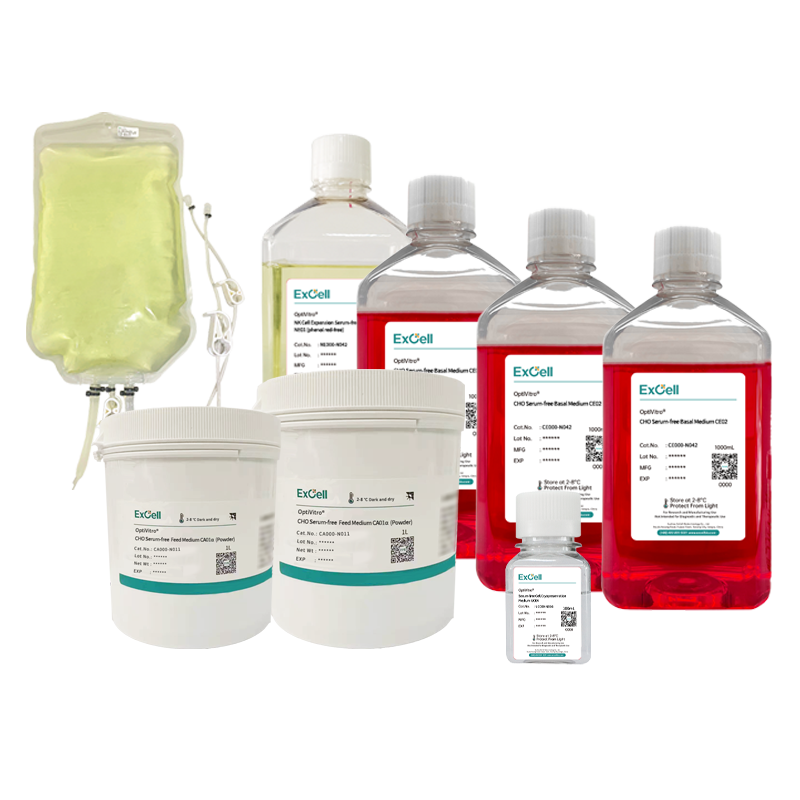
I’ll leave you with this: choose media with data, test locally, and document everything — and if you want a grounded starting point, check the resources and formulations at ExCellBio. I’ve walked dozens of clients through this; the right media choice changes more than yields — it stabilises your timelines, your QC burden, and your margins. I paused; then acted. You can too.