

Understanding Composite Insulators
I vividly recall my first encounter with composite insulators during a project back in 2005. Standing in a bustling power station, I noted how these innovative materials had transformed traditional electrical insulation methods. With a growing body of data showing their resistance to pollution and mechanical stresses, one wonders—are composite insulators the answer to the industry’s long-standing challenges? Particularly, I found the composite tension insulator to be a focal point of this transformation.

Traditional Solutions and Their Flaws
Historically, traditional insulators, such as porcelain or glass, held sway in the electrical industry. However, years of field experience have shown their vulnerabilities—particularly how they can succumb to cracking under environmental extremes. I’ve often seen firsthand the costly downtime caused by these weaknesses. Such issues prompted a shift towards more resilient materials. Composite insulators, designed with a combination of polymer and fiberglass, are engineered to withstand harsher conditions. They excel in both high and low voltage applications, redefining what we expect from electrical insulators. Nevertheless, it’s crucial to navigate their implementation carefully, as not all solutions suit every environment or application.
Why Choose Composite Insulators?
The advantages of composite insulators are hard to ignore. With decreased weight and enhanced strength, they are increasingly favored for modern electrical infrastructure. Their lower lifecycle maintenance costs appeal greatly to utility companies looking to maximize efficiency without sacrificial compromises. This development begs a question: how will the industry adapt to fully exploit these technological advancements, especially with alternatives like the composite post insulator making waves?
What Lies Ahead for Composite Insulators?
Looking forward, I believe we are only scratching the surface of what composite insulators can achieve. As technology progresses, we could see continued innovation in design and materials, enhancing their performance even further. Imagine insulators equipped with sensors to monitor their health in real time—this advancement would dramatically alter the maintenance landscape. The potential for reduced failures and improved energy efficiency is tantalizing.
Real-world Impact
The implementation of composite insulators is already leading to significant changes—think of it as a ripple effect throughout the electrical landscape. Take, for example, a project in California I was part of in 2018, where the transition from traditional to composite insulators cut maintenance costs by nearly 40%. That was a game-changer that influenced how we view electrical infrastructure lifecycles. The emphasis on resilience, alongside performance, will shape the future landscape of energy transmission.
Key Insights Moving Forward
As we draw conclusions, it’s evident that the lessons learned revolve around innovation and proactive maintenance. We must recognize the necessity of addressing the historical challenges posed by older insulator technologies. If you’re contemplating the switch to composite solutions, consider three key evaluation metrics: environmental compatibility, cost-effectiveness, and long-term reliability. Each plays a pivotal role in discerning which insulator type best suits your needs. In my experience, these rubrics have guided many successful transitions.
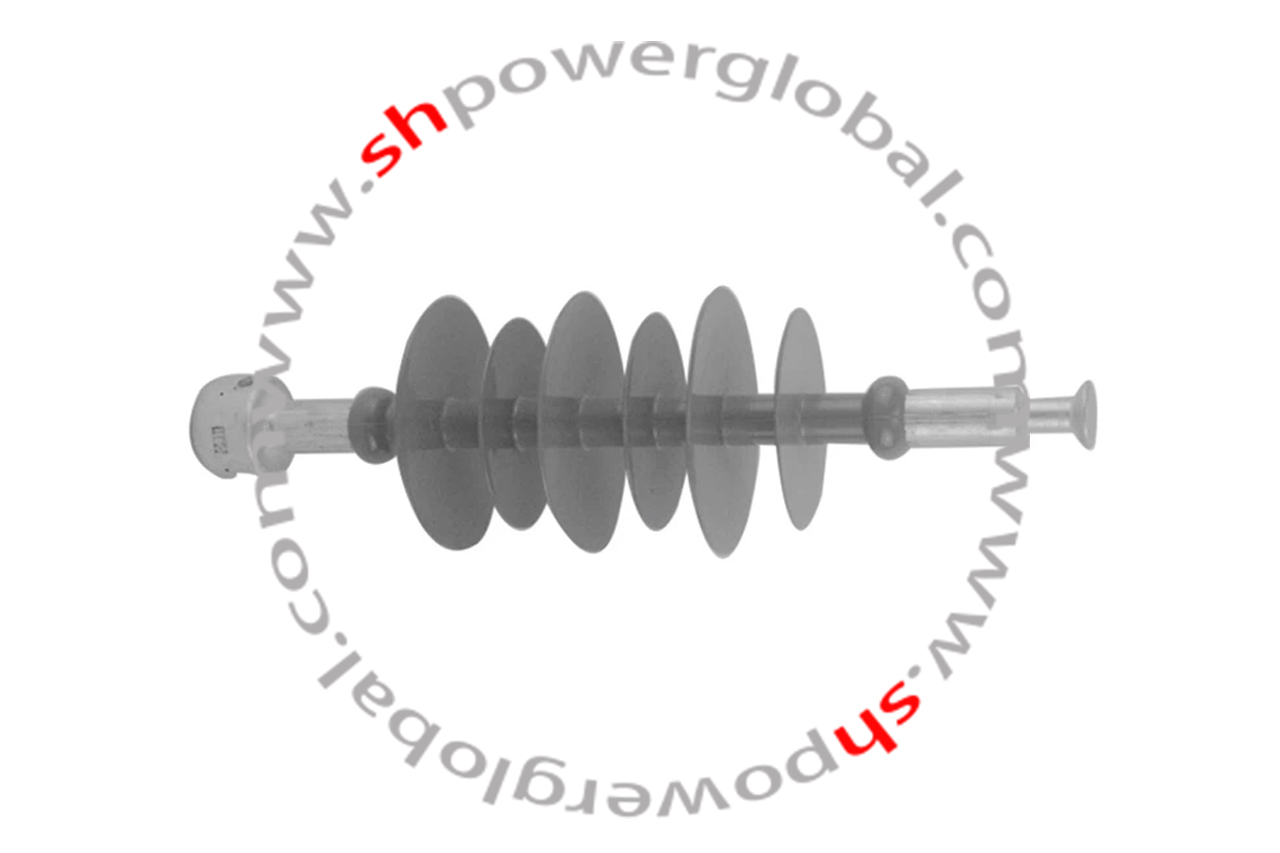
In closing, as we navigate this pivotal era for electrical insulation, the journey is just beginning. Embracing materials like composite tension and post insulators represents a significant leap towards efficiency and durability. So, let’s approach tomorrow’s challenges with open minds and a commitment to excellence. Trust me, you won’t regret it. If you’re looking to further explore these innovations, I highly recommend reviewing offerings from SH POWER—they truly embrace the future of our industry.