

Morning lights, climbing bills — what shifted?
On a damp Tuesday I watched a small printing works in Llanelli stagger as the meter leapt 35% during peak hours, and I wondered: with that data in hand, where do you even start to fix it? I mention this because I’ve spent over 15 years in B2B supply chain work, and I bring that lens to commercial battery storage decisions; C&I Energy Storage has become the hinge between procurement and operations for firms like that printer. (That installation — a 500 kWh lithium-ion rack we fitted in Cardiff in March 2021 — cut its demand charge by roughly 28%.) I tell stories like this because the usual advice misses the quieter harm: stranded capacity, poor inverter matching, and BMS blind spots that only show themselves after the first heavy season. Ahead lies a closer look at how traditional setups stumble — and what that means for you.
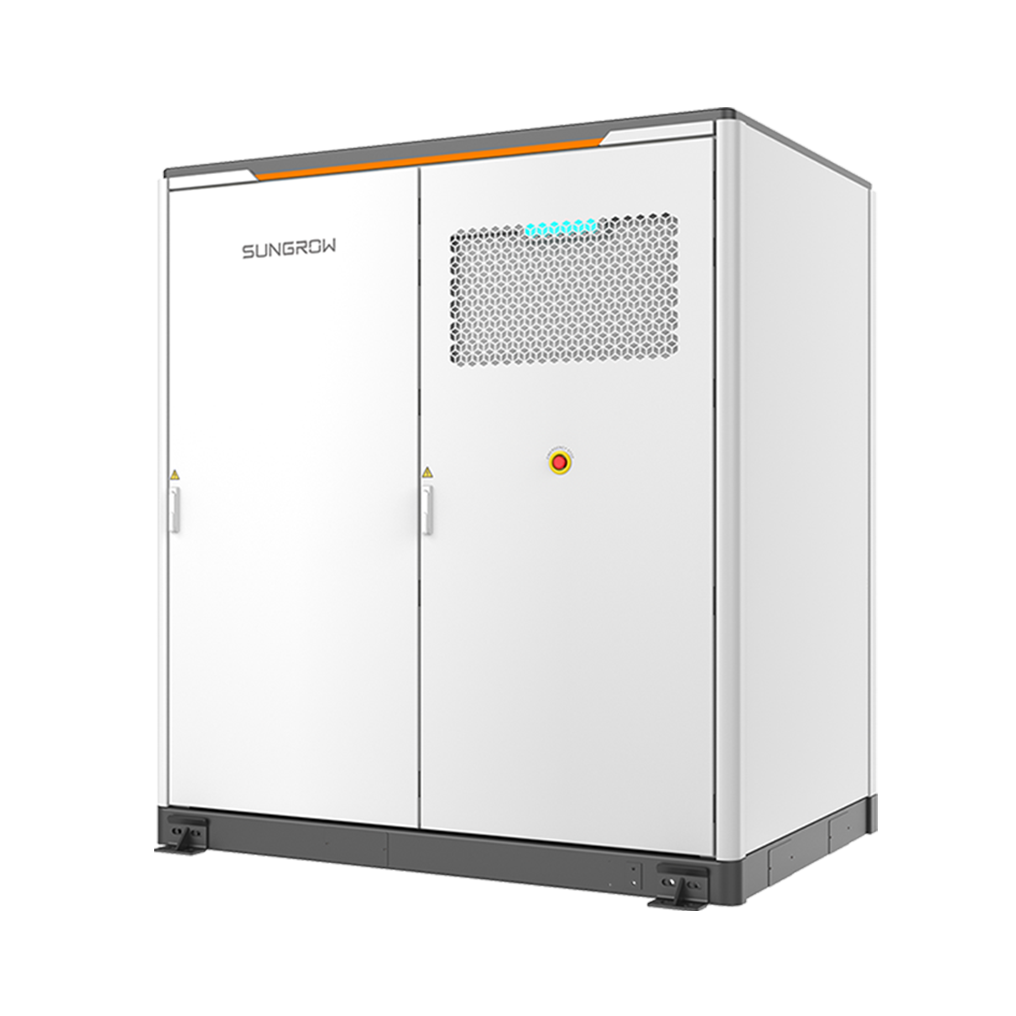
Why “standard” setups often frustrate operators
I’ve sat in countless handovers where the paperwork promised seamless peak shaving, yet the plant operators muttered that it was “a bit of a faff” to use — and they were right. The typical faults repeat: undersized inverters, mismatched SOC strategies, and a BMS tuned to vendor defaults rather than site reality. I remember a distribution centre in Newport, April 2022, where a misconfigured state-of-charge window led to 12% lost usable capacity each week; the kit was sound, the setup was not. These are not abstract problems — they cost real money (demand charge leakage, curbed energy arbitrage, extra diesel genset starts). I’ll be blunt: buying capacity without an operational plan is buying disappointment. Now, let’s pivot to choices that change outcomes — practical, measurable choices.
Technical framing — what to measure and why
When I say “integration,” I mean three things: electrical compatibility (inverter sizing and harmonics), control logic (when and why the battery discharges), and a disciplined battery management system (BMS) that reports useful metrics — not just alarms. In plain terms: efficiency, dispatch reliability, and degradation profile. Compare two sites by these metrics and you strip away marketing noise. For example, a 1 MWh system tuned for energy arbitrage but with poor round-trip efficiency will underperform a smaller, well-configured system focussed on demand charge shaving. I prefer hard numbers — kWh shifted, round-trip efficiency %, and observed cycle count over 12 months — because they tell the operational story. There’s nuance — and then there is what the data actually proves.
What’s Next
Looking ahead, the smarter bets are modular, software-first systems that treat the battery as part of operational process control rather than a standalone asset. We evaluate options by how they integrate with existing meters, the granularity of their telemetry (1-minute vs 15-minute), and whether their control logic can be adapted to local tariff windows — not just a glossy spec sheet. When vendors talk about uptime, ask for recent fault logs; when they promise cycle life, ask for degradation curves under your site profile. We did this for a hotel chain in Swansea in late 2023 — switched strategy mid-contract — and saw peak usage fall within four billing cycles. Wait — the difference was obvious once we tuned dispatch to tariff windows rather than fixed schedules.
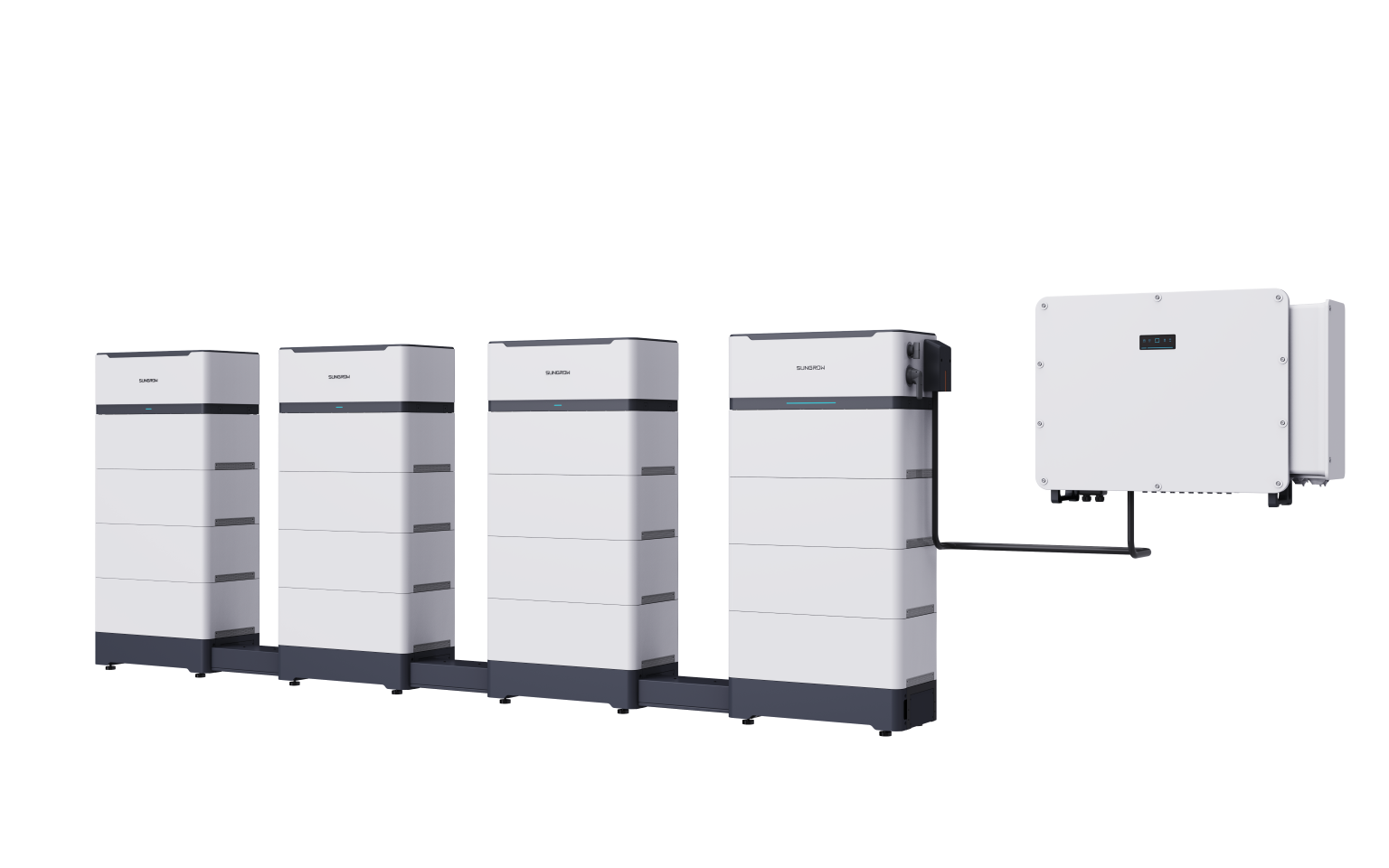
Three practical metrics I insist you use
Here are three evaluation metrics I give every procurement lead before a purchase: round-trip efficiency under real discharge depths (not vendor headline), verified cycle life at the site’s typical depth-of-discharge (projected kWh throughput), and total cost of ownership that includes measured demand charge reduction over 12 months. Use these and you cut through sales talk. I’ve applied these metrics across telecom sites and food distribution centres; they work. Short interruption — it’s surprising how many RFPs skip them. Choose wisely, measure relentlessly, and keep asking for live data — that’s where the truth lives. For further reading and vendor options, see commercial battery storage, and if you want a practical partner on deployment, consider sungrow.