
The problem: folks keep buyin’ what don’t last
Look, ain’t nobody got time for mixers that fail at startup or wreck batches halfway through a run. You wanna know if a maker actually builds tough gear, not just pretty brochures. Start by checkin’ where they sit in the market and what kinda industrial mixing solutions they put next to their name — real products, real specs, real install stories. That first look tells you if they sell lab dreams or plant-ready machines.
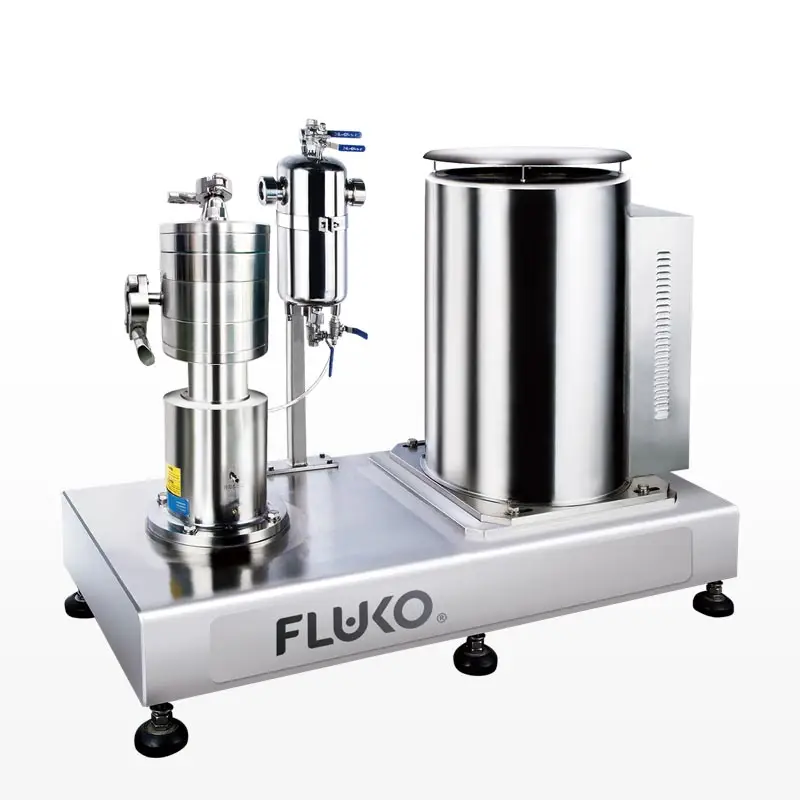
What usually breaks and why it matters
Poor seals, wrong materials, undersized drives, sloppy couplings — that’s the usual list. When those fail, you lose time, product, and trust. Don’t let a slick sales pitch blind you. Ask for root-cause examples of past failures and how the maker fixed ’em. If they dodge specifics, that’s a problem.
Concrete checklist to vet quality
Get these answers before you sign: shaft material and surface finish; bearing type and maintenance interval; torque margins at operating viscosity; mechanical seal design and interchangeability; motor and gearbox ratings with service factors; documented FAT (factory acceptance test) procedures; spare parts lead times; and customer references at scale. Demand CAD, P&ID tie-in points, and an on-site commissioning plan. If they won’t share those, move on.
How to test reliability claims—what you can verify
Insist on FAT witnessing and standardized tests: spin-up under load, run at max viscosity for a sustained period, vibration readings, thermal tracking. Record the tests. Get a written maintenance schedule tied to real runtimes, not calendar guesses. If they promise bespoke metallurgy, ask for mill certs and weld procedure specs. If a maker cuts corners here, you won’t be the one fixin’ it — your maintenance crew will.
EEAT: real-world anchor and why experience matters
I done worked with engineers who commission gear on the Gulf Coast, and the repeated lesson from plants around the Houston Ship Channel is simple: site-proven equipment beats good marketing every time. That’s why I always compare vendor claims to performance on actual jobs and verified standards. Cross-check what they tell you with independent lab data, witness reports, and the way they support chemical mixing equipment installs — that alignment proves they know the field. Experience in acceptance testing, documented case studies, and clear after-sales service terms show they got real expertise, not just glossy spec sheets.
Red flags and common mistakes buyers make
Buying on price alone; skipping FAT; accepting one-off promises without written specs; not verifying spare-part commonality; ignoring commissioning and training. Don’t assume warranty equals support. Also, don’t let “standard” mean undersized — always map the vendor’s model to your actual process demands, not theoretical numbers.
Alternatives to a single-vendor lock-in
Consider third-party validation firms for FATs, or split procurement: buy critical rotating assemblies from a proven supplier while sourcing tanks locally. Another path: pilot-scale trials with interchangeable internals so you can test mixing profiles before full-scale buy. Each option costs time but saves big headaches later.

Bottom line
You gotta be direct: verify materials, force real testing, check field references, and lock down support terms. Do that, and the maker’s talk starts to mean something. When you want a partner that matches those rules to product and service without the fluff, look at how experienced firms line up their specs and support—FLUKO shows that practical alignment between what they promise and what the plant actually needs.