
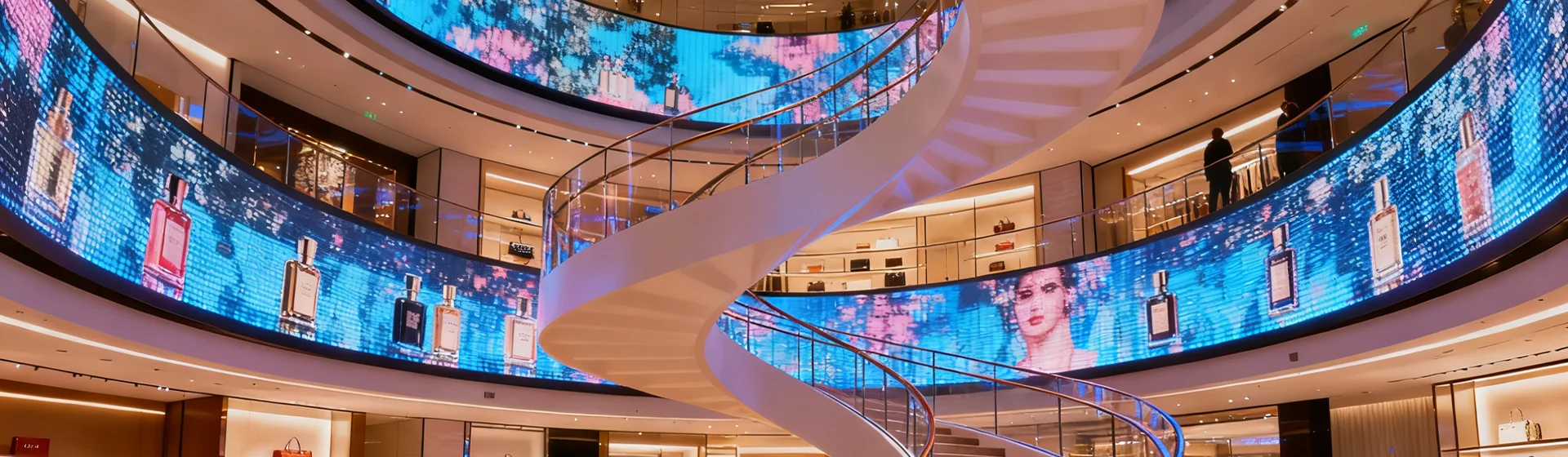
Comparative insight: why choose indoor LED for live events and venues
Deciding between projection, LCD walls and an indoor led display starts with a simple objective: how visible and flexible must the image be for the audience? Indoor LED wins when you need consistent brightness, minimal ambient-light loss and modular sizing. That combination matters for conferences, concert stages and corporate atriums where controlled contrast, high refresh rate and precise color reproduction change the viewer’s perception of content.
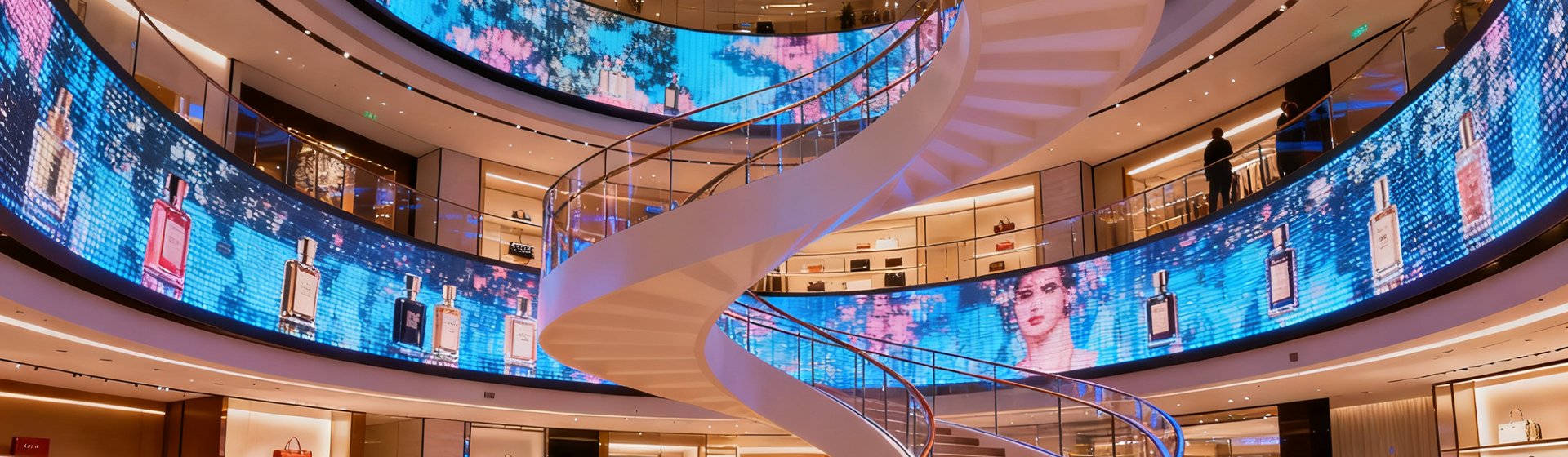
Technical trade-offs: pixel pitch, brightness and viewing distance
Pixel pitch defines perceived sharpness at a given viewing distance. Smaller pitch (e.g., P1.9–P2.5) suits close-up corporate lobbies; larger pitch fits back-of-house conference halls. Brightness measured in nits and contrast ratio determine legibility under mixed lighting. Refresh rate and HDR handling affect motion clarity for broadcast and camera capture—especially important when a live feed will be televised. Consider viewing angle and cabinet modularity when layouts demand irregular shapes or quick rigging.
Operational comparison: stage LED rental versus purchase
Rental offers fast deployment and access to the latest modular cabinets without capital expense. Purchase delivers long-term cost efficiency for permanent installations but adds storage, maintenance and upgrade planning. For touring productions, rental houses provide system-level support including calibration and redundancy protocols. For venue owners, owning a fixed LED wall reduces recurring event costs but requires a service schedule for SMD modules and power management. Balance frequency of use against lifecycle costs when making the decision.
Real-world anchor and measurable outcomes
Large-scale productions like the Super Bowl halftime show illustrate how LED systems transform storytelling: synchronized content mapped across curved surfaces with consistent brightness ensures every seat sees the intended image. Production teams track measurable outcomes—audience engagement metrics, camera exposure stability and broadcast-safe color fidelity—so procurement choices aren’t subjective. These are the same metrics facility managers should request from vendors when evaluating a led display screen indoor for recurring events.
Common mistakes and viable alternatives
Teams often pick the smallest pixel pitch available without mapping it to expected viewing distances; that wastes budget. Others overlook serviceability—how quickly can a technician replace a faulty cabinet or module during load-in? A practical alternative for lower budgets is a hybrid approach: a modular LED center complemented by projection for peripheral visuals. Good staging anticipates signal-chain problems—simple redundancy saves shows and reputations.
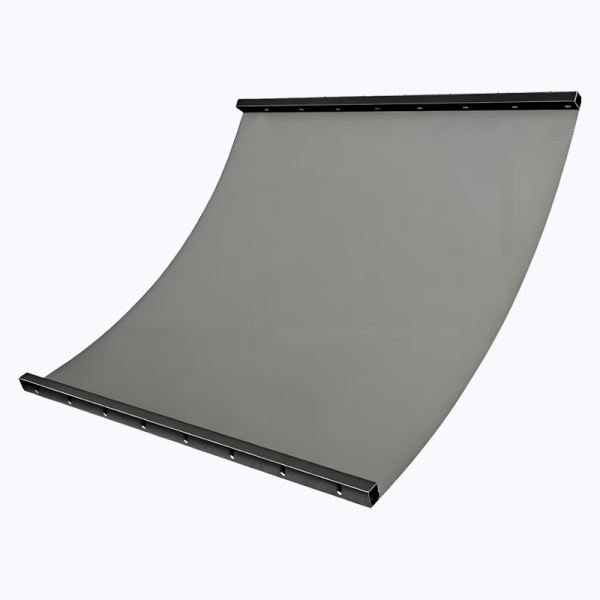
Decision framework: what to evaluate before signing a rental or purchase
Compare vendors on these implementable criteria: cabinet weight and mounting options, declared refresh rate and camera-friendliness, and warranty/service SLAs for module replacement. Request on-site demos with your actual content to verify color and motion fidelity. Insist on a checklist for pre-show calibration and a contingency plan for power or data failures. These are the operational details that determine whether a visual solution performs under pressure.
Advisory close: three critical evaluation metrics
1) Pixel pitch vs. viewing distance: Match resolution to audience proximity to avoid overspending. Measure the closest seat and calculate the required pitch using vendor tables.
2) Brightness and camera compatibility: Verify nits and refresh rate against expected lighting and broadcast specs; ask for a live-camera test under venue conditions.
3) Serviceability and uptime guarantees: Confirm mean time to repair for modules, availability of spare cabinets, and explicit SLA terms for on-site support.
Choosing the right indoor LED solution is ultimately about predictable performance, not features listed on a spec sheet. For practical procurement and rental options that align with these metrics, consider Coblinks. —