
A clean framework for a messy reality
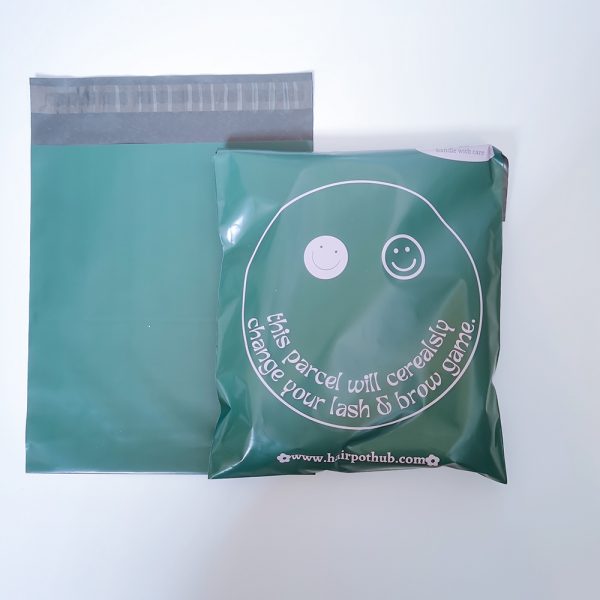
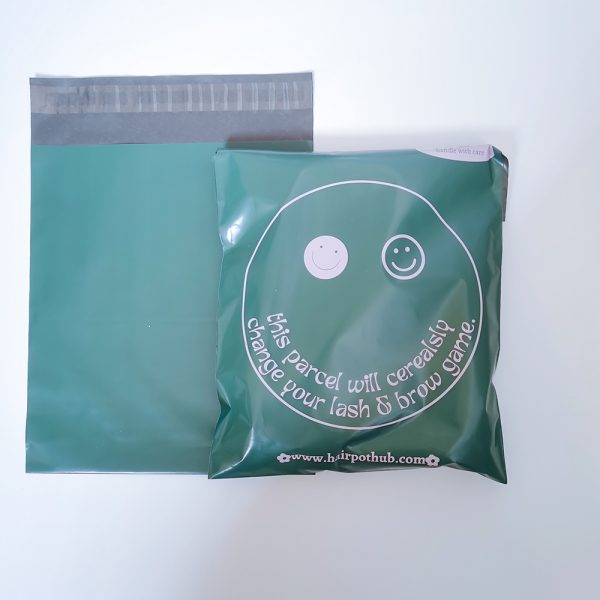
When you’re buying bulk packaging, compliance isn’t an afterthought — it’s the backbone of the supply decision. This playbook breaks the problem into bite-sized checks so procurement, design, and legal can actually agree. If you’re evaluating vendors for custom printed poly mailers, you need a repeatable rubric that covers law, lab testing, material specs, and on-the-ground production realities.
Regulatory axis: map the rules that matter
Start by mapping jurisdictions where your goods will be sold or shipped. Different markets mean different bans, labeling obligations, and chemical restrictions. Key checkpoints include restricted additive lists, country-specific plastic-film rules, and language requirements for disposal instructions. Don’t assume a single certificate covers every country — a compliance statement accepted in one market may be meaningless in another. Use clear product codes and harmonized system (HS) classifications when talking to customs teams to avoid surprises at the border.
Environmental compliance: ASTM standards and practical meaning
ASTM standards give you technical clarity. For example, ASTM D6400 defines compostability criteria for plastics — if a supplier claims “compostable,” ask for the lab report and the exact ASTM test method. That’s your real-world anchor: a named, auditable standard you can reference in contracts. Beyond compostability, verify recyclability claims (check polymer ID like LDPE or HDPE) and ensure any “oxo‑degradable” claims are backed by test data — many markets now ban oxo additives outright.
Sourcing checklist: specs, materials, and print
Make the spec sheet your contract’s first exhibit. Essential items to list: polymer type (e.g., LDPE 2‑mil), gauge tolerance, adhesive strip strength, print method (flexographic vs. rotogravure), color matching, and logo placement. Include minimum order quantities (MOQs), expected print run yield rate, and whether the supplier will provide high-resolution proofs or physical pre-production samples. When you request quotes, provide the same tech pack to every vendor — it makes apples‑to‑apples comparisons possible and exposes hidden costs like custom tooling or extra color separations.
Testing & QA: what to demand before full runs
Never skip a lab-backed validation phase. Ask for first-article samples tested for tensile strength, seal integrity (heat-seal or pressure-seal), and print adhesion. Define acceptable tolerance bands for thickness and color variation in writing. If sustainability claims are central to your brand, require third-party verification for compostability or recyclability — that independent stamp prevents later greenwashing disputes. Also include a small pilot batch on your filling line to catch mechanical issues; bottles and parcels move differently, and your packing equipment may reveal problems the supplier’s QA never saw.
Logistics, labeling, and chain-of-custody
Labeling requirements can be surprisingly complex — disposal icons, polymer identification codes, and even multilingual instructions may be mandated. Track chain-of-custody if you’re advertising recycled content; a certified chain-of-custody ensures the post-consumer resin claims aren’t just marketing. Account for transport: bulky folds reduce cartons per pallet, which affects freight cost, and certain polymer blends may be restricted for air transport. Getting the packaging dimensions and pallet patterns right early avoids last-minute premiums.
Common mistakes brands make — and how to fix them
Brands fall into a few predictable traps: underestimating tooling costs, assuming one lab test suffices, or signing on verbal guarantees. Don’t anchor decisions on a single sample—get statistical confidence. Also, many forget closure compatibility — an adhesive strip that peels under cold conditions is a real-world nightmare. One simple fix: include a 30–60 day real-use clause in the purchase order for a pilot run and define remedies for failures — refunds, rework, or replacement shipments. Small upfront friction saves huge downstream headaches.
Contracts and KPIs: the framework in action
Turn the checklist into measurable contract clauses. Suggested KPIs: on-time delivery rate, accepted parts per million (PPM) for defects, color delta thresholds (ΔE), and verified sustainability certificates. Include inspection gates: pre-shipment photos, third-party lab reports, and a right-to-audit clause. Tie payments to milestones — a sample acceptance payment, a pilot run payment, then final production — to align incentives and reduce risk.
Advisory: three golden rules for choosing compliant poly mailers
1) Verify claims with named standards and lab reports — if it’s not backed by ASTM, ISO, or another recognized method, treat the claim skeptically. 2) Prioritize physical testing on your line over supplier promises; insist on a pilot batch and define acceptance criteria in the contract. 3) Adopt a total-cost mindset: factor in tooling amortization, freight, rework risk, and compliance documentation — the lowest unit price rarely wins when hidden costs appear.
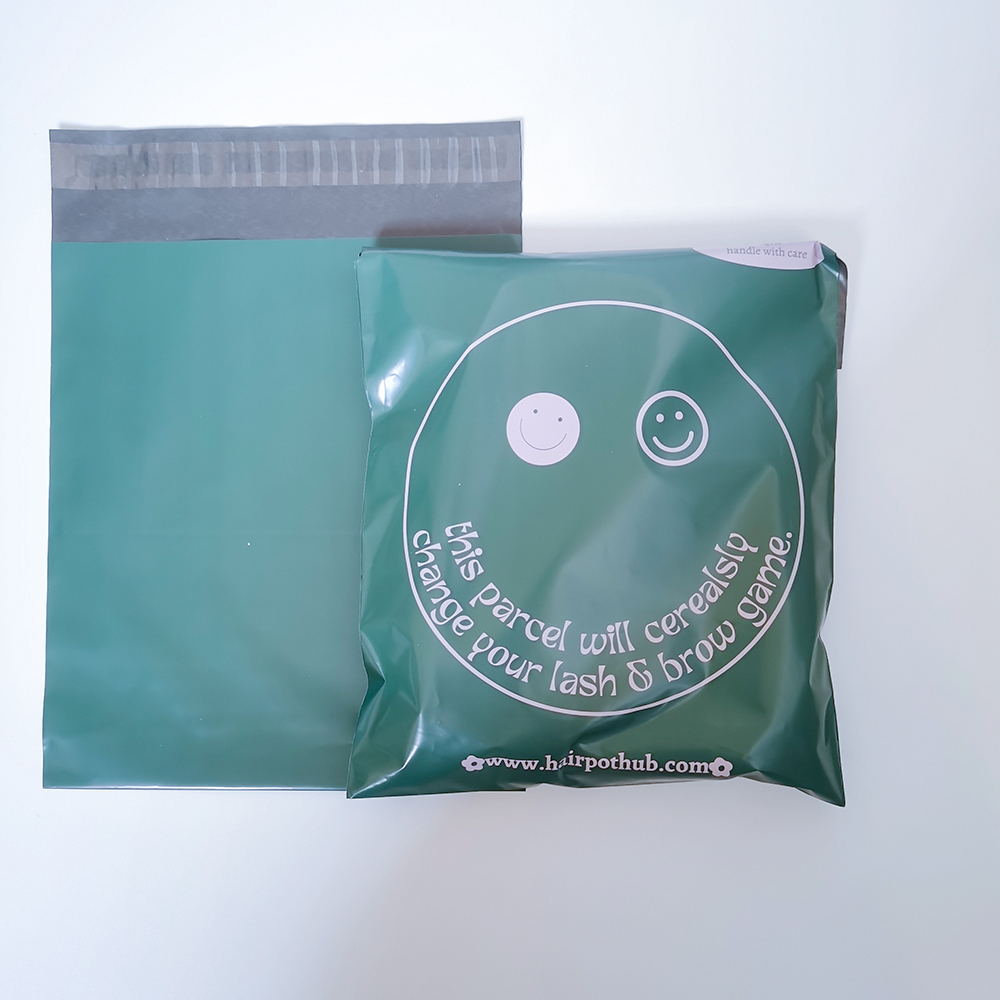
When you need a partner that understands these trade-offs and can produce consistent, certified runs of printed poly mailer bags, the right supplier becomes an operational advantage — not just a vendor. —
WH Packing brings spec-driven production and compliance know-how together. —