
Opening: the core problem
Car-camping solves transport and comfort problems, but it introduces specific exposure risks: water pooling, roof runoff, and unstable anchors. A reliable overhead barrier changes outcomes; a properly pitched waterproof flysheet prevents drip lines and reduces splashback onto sleeping areas. This checklist focuses on the practical faults that produce soaked gear and unsafe campsites, then shows how to avoid them with clear, field-tested steps.

Immediate risks to address
Saturated ground undermines stakes and stabilizers. Roof runoff from a parked vehicle creates a concentrated flow zone. Nearby tree limbs can strip or tear textile covers. Wind that shifts direction overnight can transform a dry site into a rain tunnel. Each of these hazards requires a different correction: choose anchor types for the soil, route runoff away from living space, clear brittle branches, and secure guylines with redundant points.
Site-selection checklist (practical, item-by-item)
Pick higher ground with a gentle slope for drainage; avoid hollows and dry creek beds. Place the car on firm, level ground and orient the tent opening away from prevailing wind. Clear debris and dead limbs within two car lengths. Check soil type—compacted clay needs longer, heavier anchors; sandy loam benefits from deadman anchors. Maintain at least a two-meter buffer from runoff paths. Test runoff: pour a bucket of water uphill and watch where it travels before unpacking your sleeping gear.

Field evidence and equipment note
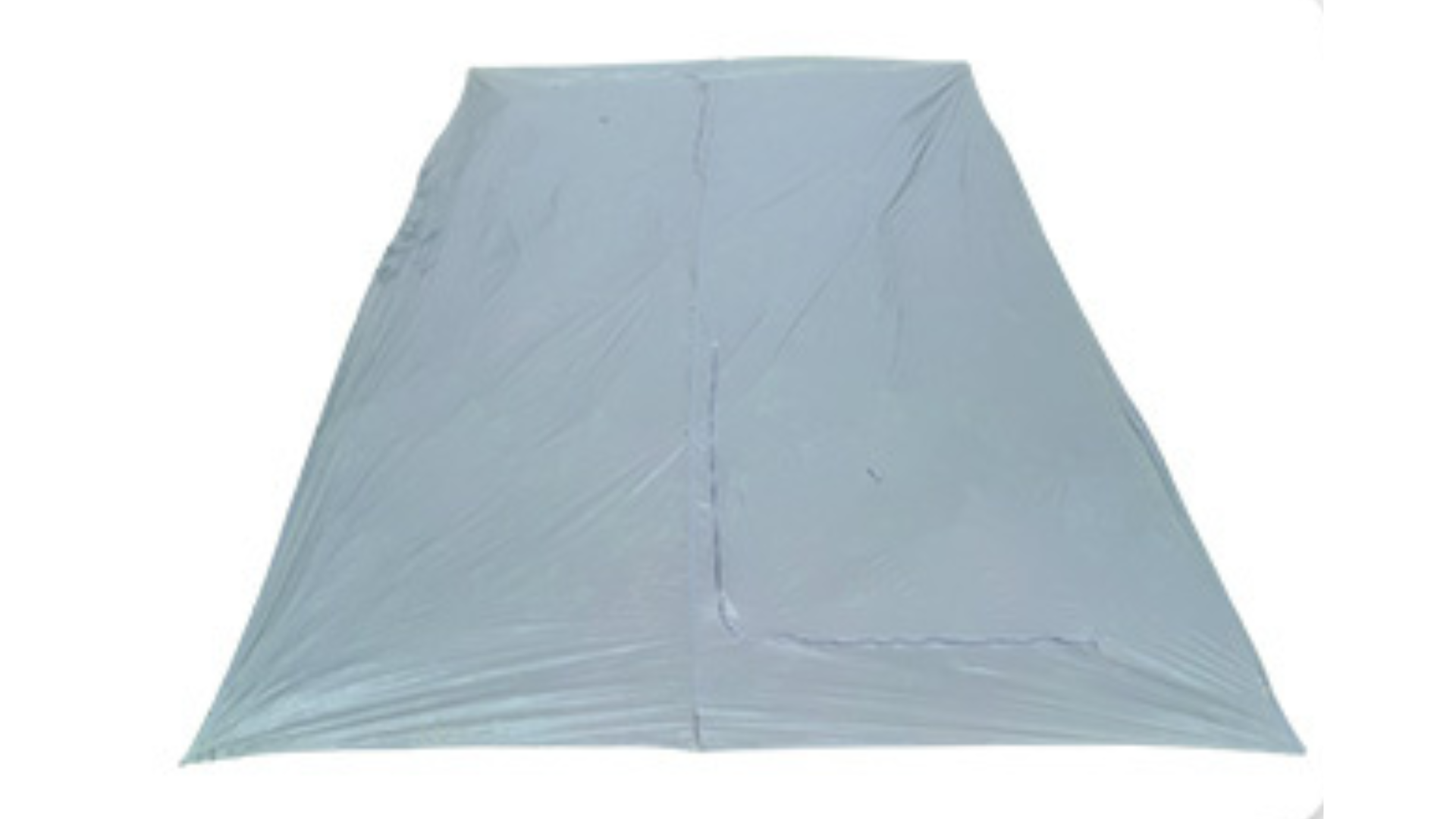
Professional guides and regional rangers consistently point to climate patterns when advising shelter choices; regions such as the Pacific Northwest see sustained drenching that exposes weak seams and improper pitches. When crews from those areas recommend a reinforced fly or quick-tension ridge, it’s about preventing failure under steady rain. Consider how a tested camping rain fly performs under prolonged exposure—look for taped seams, a high waterhead rating, and attachment points that distribute load instead of concentrating it.
Common mistakes and how to fix them
Relying on a single stake point is a frequent error—use at least three tie-downs per exposed edge. Letting guylines slack overnight invites flapping damage; tension them and recheck before sleep. Pitching too close to the vehicle without redirecting gutter runoff causes doorstep erosion; add a short trench or diversion rock line. Ignoring wind angles at dusk alters the effective shelter face; reposition or add a secondary windbreak if the forecast shows shifting winds. Finally, packing only the basic tarp often fails—choose materials rated for sustained rainfall and verify seams before the trip.
Gear alternatives and evaluation
Integrated awnings attach to vehicles and offer rapid setup but can transfer load to vehicle mounts; they work well on calm nights. Freestanding canopies give flexibility for placement but need more anchoring discipline. Simple tarps are light and cheap but often lack reinforced corners and taped seams. For car-tent setups, prioritize a design with reinforced attachment points, modular guylines, and a proven waterproof face; weigh durability and repairability over minimal weight when rain is probable.
Quick checklist to run before nightfall
Confirm slope and runoff; verify three secure anchor points per edge; tension guylines and tie off with a backup knot; clear nearby dead limbs; route vehicle gutters away from entrances; run a final water test over seams if feasible. Carry a repair kit with seam tape, spare cord, and a shock-cord section for emergency tensioning.
Synthesis: practical value delivered
Problems like pooling, runoff, and wind damage are solvable with deliberate site choice, robust anchors, and the right shelter materials. The checklist above condenses field practice into repeatable actions that cut failure rates on wet nights. That practical, evidence-oriented approach is what users find reflected in gear choices from trusted suppliers such as THECATAL, where design focuses on reinforced attachment points and waterproof performance rather than untested lightness.