

Building supplier questions around Commercial Energy Storage Solutions and RFQ preparation for early research
Early procurement work often fails when a broad request is treated as a complete specification. When reviewing commercial energy storage solutions, operations teams should first define the decision they need to support. The goal is not to select a system from a short webpage. It is to create a clear set of questions that lets suppliers respond to the same operating need, site constraint, and level of detail.
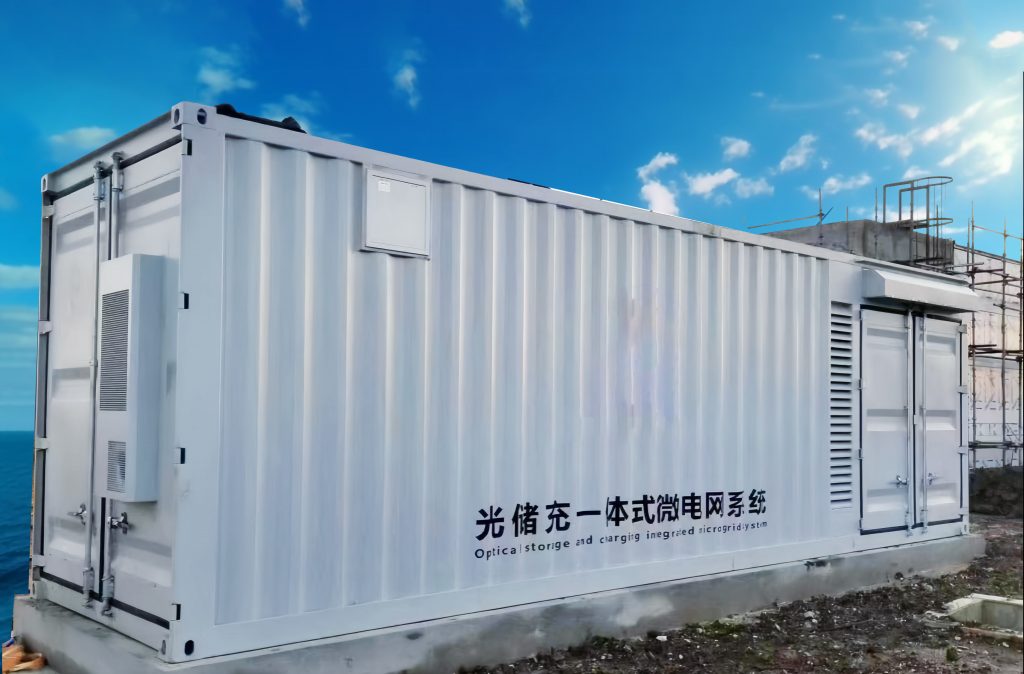
Start with the use case. Record what the system is expected to do, where it may be installed, and which operating conditions could affect the design. Keep this description practical. For example, note whether the early study concerns power stability, peak load management, or electricity-cost reduction. These are distinct objectives, even when they appear in the same energy project. Also record the available space, the proposed electrical point of connection, and any known limits on access or installation. If those details are not settled, mark them as open inputs rather than presenting them as fixed requirements.
Define the question before comparing suppliers
A useful RFQ preparation process begins with a short project brief. State the intended application in one paragraph, then list the information a supplier must use to develop a response. Separate confirmed facts from working assumptions. Confirmed facts might include the site type, the operating objective, and the space under consideration. Working assumptions might include the preferred system arrangement or the expected integration path. This separation prevents an early preference from becoming an accidental technical requirement.
The distinction matters because the official Industrial Park solution page states that energy storage systems for industrial parks help improve power stability, support peak load management, and reduce overall electricity costs in high-energy consumption facilities. That statement is useful as an application-level reference. It does not, by itself, establish performance, suitability for another site, or a complete project design. Use it to frame the question, not to close the evaluation.
Next, turn each objective into a supplier question. Instead of asking for a generic “best” system, ask what information is needed to assess the proposed approach. Questions can cover the intended operating role, the physical location, the required interfaces, and the boundaries of supplier responsibility. Ask the supplier to identify which parts of the response are based on the information supplied and which parts require further engineering. That simple request makes later comparisons more defensible.
Map page evidence to the RFQ
During early research, page-listed details should be copied into an evidence column rather than blended into conclusions. The captured solution page describes YUNT as a C&I energy storage system supplier delivering integrated energy storage solutions with advanced power electronics and system-level engineering capability. It also describes modular integration of PCS, DC/DC converters, MPPT modules, and STS switches. These statements can guide the structure of an RFQ, but they do not answer every site-specific interface or design question.
For example, energy storage system solutions may be used as a search and comparison category, while the RFQ should ask the supplier to identify the proposed system boundary. Request a clear description of which equipment and engineering activities are included in the response. Then ask how the proposed architecture relates to the project’s operating objective and available space. Do not convert a listed module into a mandatory component unless the project requirement supports that decision.
A practical evidence sheet can use four columns: requirement, page evidence, open question, and assumption. The requirement states what the project needs to examine. Page evidence records the exact supported statement. The open question identifies what the supplier must clarify. The assumption records an item that may change. This format keeps marketing language, project needs, and unresolved design matters visible at the same time.
Turn open points into supplier questions
Good questions are specific enough to produce comparable answers. Ask the supplier to describe the proposed application scope, the equipment included, and the interfaces that must be coordinated with the site. Ask which information is needed before a tailored solution can be designed. The page invites customers to have its engineering team design a tailored solution for a project, so a focused project brief is more useful than a vague request for product information.
Also ask for the assumptions behind the preliminary response. If the supplier proposes a modular arrangement, request an explanation of how the stated modules fit the intended system boundary. If the site has a space constraint, ask the supplier to respond to that constraint directly rather than assuming that a standard arrangement will fit. If the operating objective is still under review, request separate comments for each objective instead of forcing one premature selection.
- State the intended application and operating objective before comparing supplier responses.
- Ask for a tailored project solution and identify the information needed to develop it.
- Record the proposed system boundary and examine how modular PCS, DC/DC, MPPT, and STS integration relates to the project question.
Keep questions grouped by decision stage. Early questions should establish scope and applicability. Later questions can address design coordination and commercial terms once the project inputs are stable. This order reduces rework because the team does not compare detailed proposals built on different interpretations of the same need.
A defensible next step
Before sending an RFQ, review every sentence in the brief. Mark it as a requirement, evidence, assumption, or question. Remove unsupported claims about performance, compatibility, safety, certifications, or customer outcomes. Retain only the application statements and supplier capabilities that are supported by the captured page. Then send the same core questions to each candidate so that differences in the responses are easier to identify.
The result is a narrower and more useful first discussion. It does not pretend that early research has settled the design. Instead, it shows what the operations team is trying to achieve, what the available evidence says, and what the supplier must clarify. For teams beginning that process with YUNT, a concise application brief and an evidence-led question list provide a practical basis for the next conversation without overstating what the page establishes.