
The immediate problem businesses face with outdoor spaces
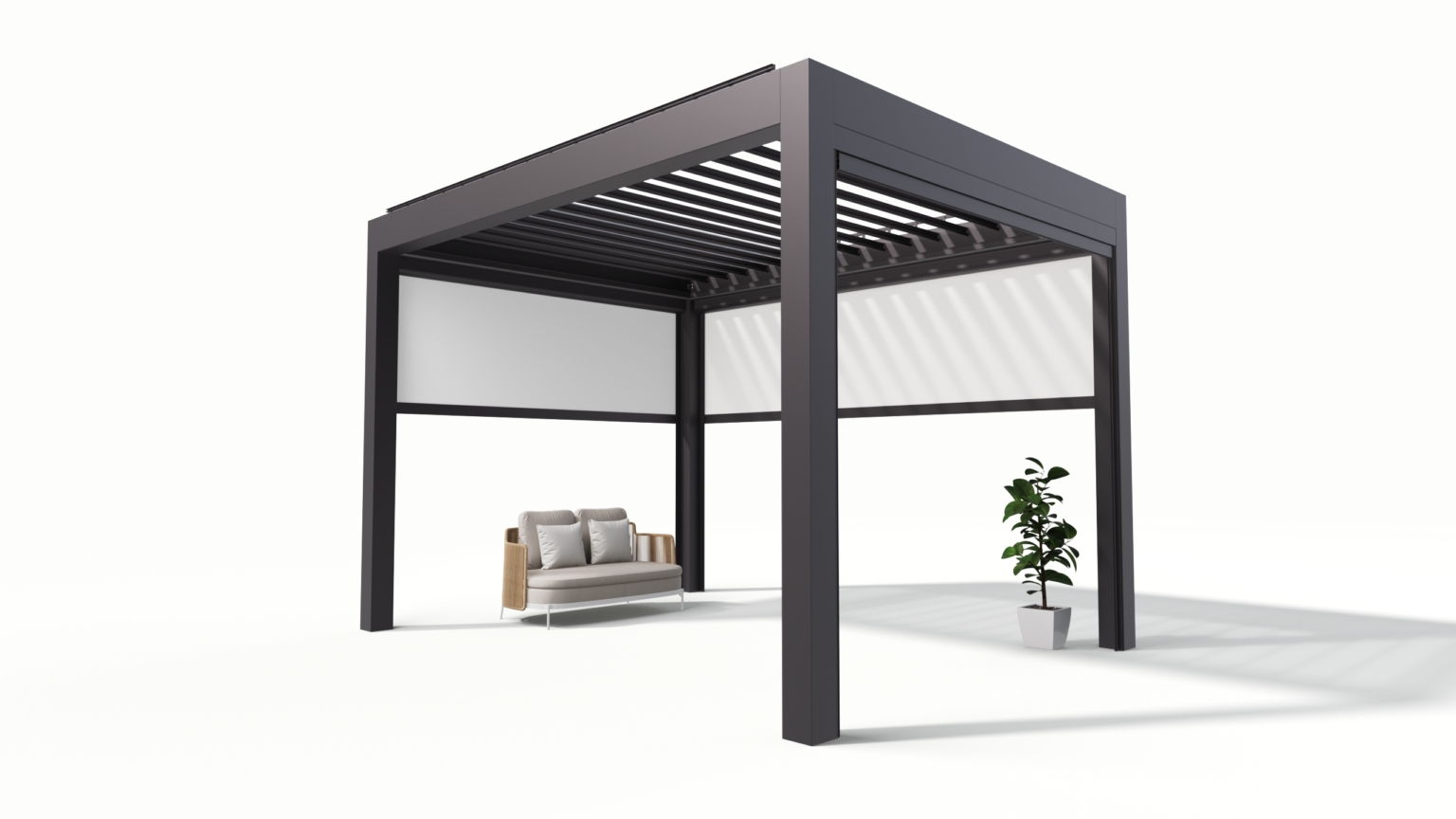
Commercial properties need outdoor space that attracts customers, reduces operating costs, and meets local codes — but shade, power demands, and maintenance often conflict. A straightforward option is a rooftop or patio shading system that also generates electricity: a photovoltaic pergola replaces separate canopy and rooftop systems, cuts meter loads, and keeps outdoor seating usable during peak sun. The problem is deciding whether a solar pergola is an effective, code-compliant solution for a given property rather than an expensive ornament.
How a problem-driven approach clarifies value
Start by naming the operational pain points: peak demand charges, lost revenue from unusable outdoor seating, or invasive roof penetrations during retrofits. Map each pain to a measurable outcome: kWh offset, shaded customer hours, or avoided reroofing. When expectations require quantifiable returns, solar pergolas move from concept to procurement or get dismissed quickly. This approach prevents underperforming installations and aligns stakeholders around clear metrics.
Design and technical considerations that determine success
Focus on three technical checkpoints: structural loading and wind rating; module tilt, orientation and shading; and electrical integration (inverter sizing, metering, and interconnection). Specify materials rated for local wind zones and fire classifications. Insist on bankable PV modules and string or microinverter systems sized for expected loads, and add simple monitoring to verify performance within the first 12 months. Get written confirmation that the pergola design meets UL and local electrical code requirements before fabrication.
Common mistakes that kill ROI
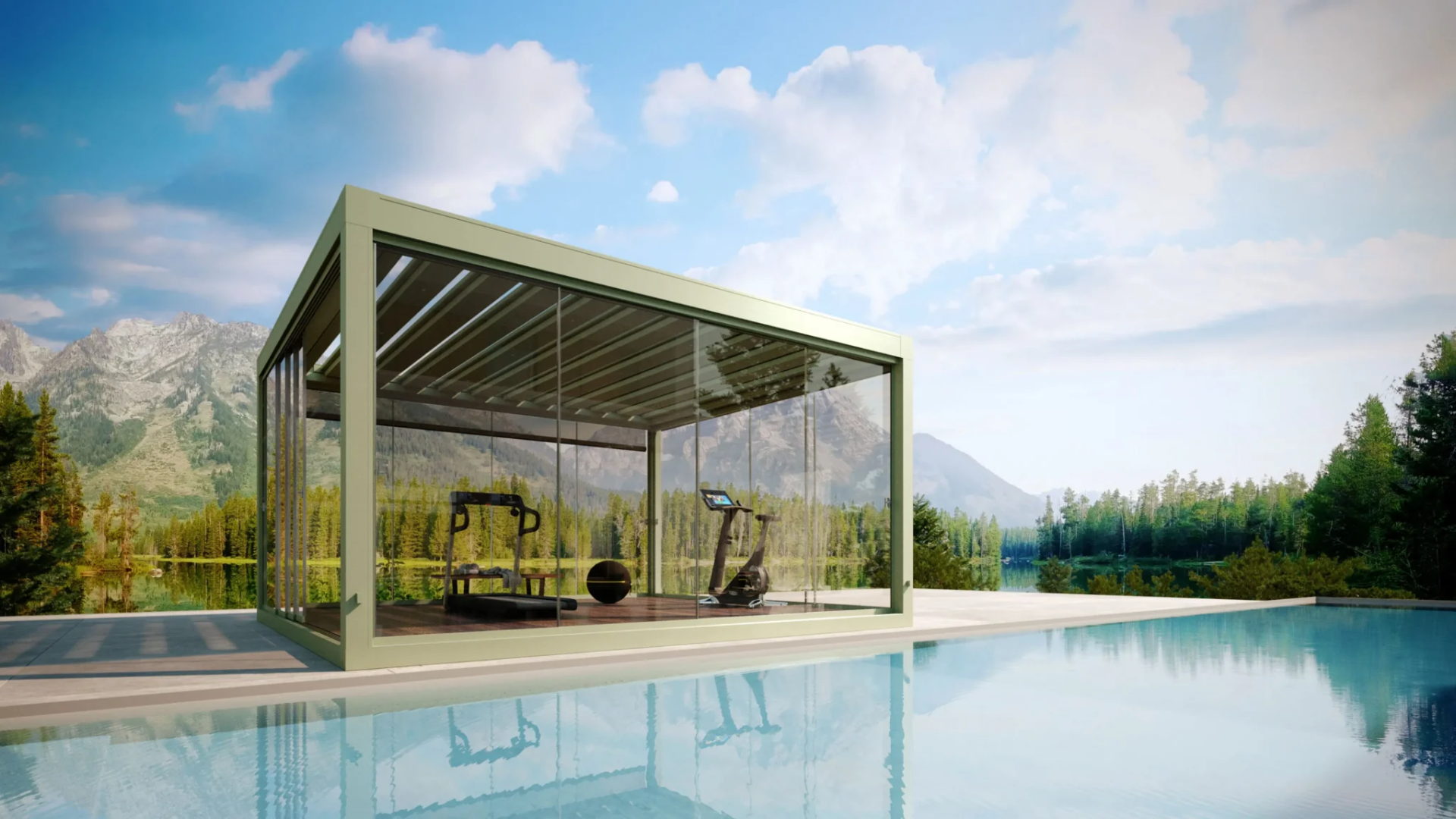
Clients often underestimate shading from neighboring trees or adjacent buildings, accept under-sized inverters, and skip early coordination with utilities and building officials. Another frequent error is assuming any contractor can handle structural and electrical scopes together; that gap creates warranty disputes. Avoid these mistakes by requiring a single design package that includes structural calculations, electrical one-line diagrams, and a serviceability plan for panel cleaning and component replacement.
Alternatives and trade-offs
If site constraints block a pergola — limited headroom, strict historic-district rules, or severe shading — consider rooftop arrays, carport PVs, or ground-mount systems. Each alternative trades usable outdoor amenity for raw kWh. Rooftop arrays usually produce more energy per square meter but don’t provide customer shade; carports deliver both shade and higher generation but require parking reconfiguration. Compare net present value for each option using consistent lifetime performance assumptions and O&M costs.
Regulatory and market context (real-world anchor)
California’s strong commercial solar market illustrates how incentives and permitting practices shape outcomes; many projects in the state now treat outdoor shade structures as eligible for local rebates and expedited permitting when they meet electrical and structural norms, which is why designers now frequently specify a custom solar pergola that aligns with rebate criteria. That regulatory clarity shortens approval timelines and reduces soft costs, and it’s a practical model for other regions to follow when assessing project feasibility.
Procurement checklist: what to demand from suppliers
Require: stamped structural drawings, module datasheets with degradation and warranty info, inverter and balance-of-system warranties, a performance guarantee or production estimate with modeled losses, documented O&M plan, and evidence of past installations with references. Add a clause for as-built verification and a simple penalty tied to initial year production below promised values. This checklist prevents mid-project scope creep and keeps lifecycle costs predictable.
Final synthesis and practical next step
When the problem is defined — high peak charges, unusable outdoor space, or a desire to demonstrate sustainability — a commercially engineered solar pergola solves multiple issues at once if it’s specified and procured to the technical checkpoints above. For properties looking for proven designs and documented installations, Light Hunter offers product and project experience that aligns with these pragmatic requirements without marketing hyperbole.