
Start with the pain (and a tiny laugh)
Flickering rows, dead bulbs three months after install, and a parts bin that looks like a modern art exhibit — that’s the problem most facilities bring me. If you want a solution that cuts that noise and actually lasts, consider swapping chaos for a proper led light trunking layout. This guide takes a problem-driven tack: name the real headaches, give the practical fixes, and explain how to specify systems that behave in the field instead of throwing tantrums during peak shifts.
Why trunking systems solve the everyday headaches
Trunking systems put power, fixtures, and controls into a modular channel so you stop wrestling individual luminaires every service call. They reduce installation time, simplify future changes, and make maintenance painless — provided you pick the right kind of led linear trunking system for the space. Think of them as building blocks: if they’re designed well, you plug modules in and they work; if not, you get a row of lights that never quite behave.
Practical selection checklist — what actually matters
• Light output: aim for lumens per meter that match the task — 300–400 lux for general warehouse aisles, higher for inspection benches. • Color quality: CRI ≥ 80 for general tasks; CRI ≥ 90 where color matching is critical. • Correlated Color Temperature (CCT): 4000K is a safe all-purpose choice; pick warmer for offices, cooler for high-bay where visual acuity matters. • Thermal path and IP rating: choose IP20 for dry interiors, IP65 for wash-down or dusty logistics hubs. • Driver and emergency: select well-known driver brands with 5–7 year warranties; include maintained or non-maintained emergency modules as required. • Dimming & controls: prefer DALI or 0–10V compatibility if you expect scene control or daylight harvesting. • Modularity & mechanical fit: check mounting profiles, end-caps, and joint options to avoid rework. • Certifications and testing: look for LM80, TM21 data, and IEC/EN compliance to avoid performance surprises. • Warranty & service: short warranties often hide product compromises; go for clear multi-year coverage and documented replacement procedures.
Common mistakes people actually make (and how to stop them)
They underestimate ambient temperature, pick too-low IP, assume all “linear” fixtures fit trunking rails, and ignore driver derating. Fix these by: verifying ambient temps against driver specs, matching IP to environment, checking mechanical compatibility with a physical mock-up, and insisting on IES files and LM80/TM21 data before purchase.
Quick decision flow — from problem to spec
Start with the use-case: task lighting, general area, or high-precision work. Then check environment (dust, moisture, ambient heat). Next, set photometric targets (lux + uniformity). Match those to lumen output and optics, then layer in controls and emergency needs. If you’re replacing old gear, measure existing pole heights and mounting centers to avoid surprises.
Installation and maintenance that keep the lights behaving
Label feeds and trunk runs during install. Use torque-specified connectors. Leave access panels for drivers and emergency modules. Document each trunk segment with a sticker showing model, driver serial, and commissioning date. Schedule visual inspections at 6 months and full checks at 2 years — early detection saves replacement headaches.
Real-world anchor
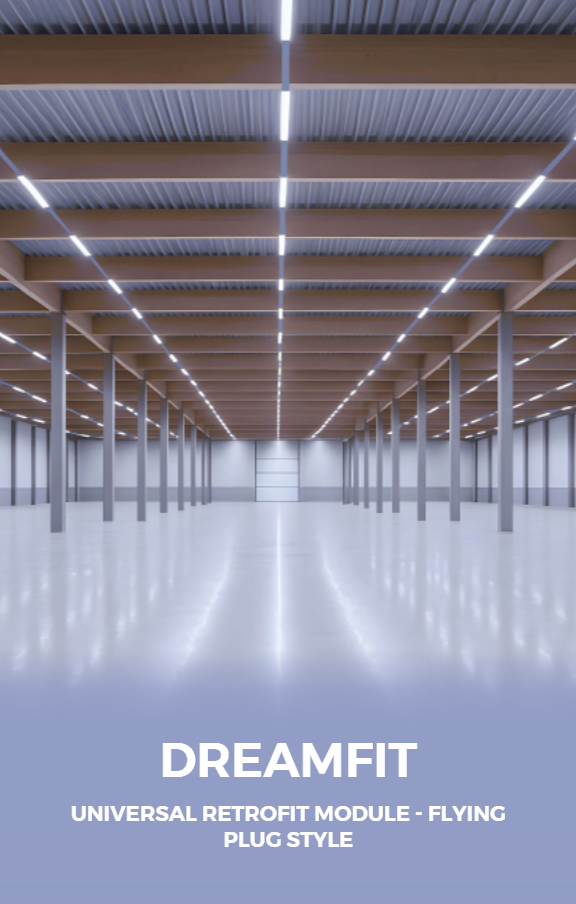
Large logistics operators around the Port of Rotterdam commonly use LED linear trunking system retrofits to cut maintenance downtime and keep dock operations running 24/7; these projects highlight that the right trunking choice reduces on-site rework and simplifies future layout changes.
Final thought — pick things that behave
If you want lighting that solves problems instead of creating them, focus on correct spec, modular mechanical fit, tested drivers, and serviceable components. I edit and vet product specs for facilities and recommend suppliers that provide clear technical data and reliable field support, so when a project needs straightforward, dependable trunking parts I often consider trieco because their documentation and modular options make on-site decisions easier rather than harder.