
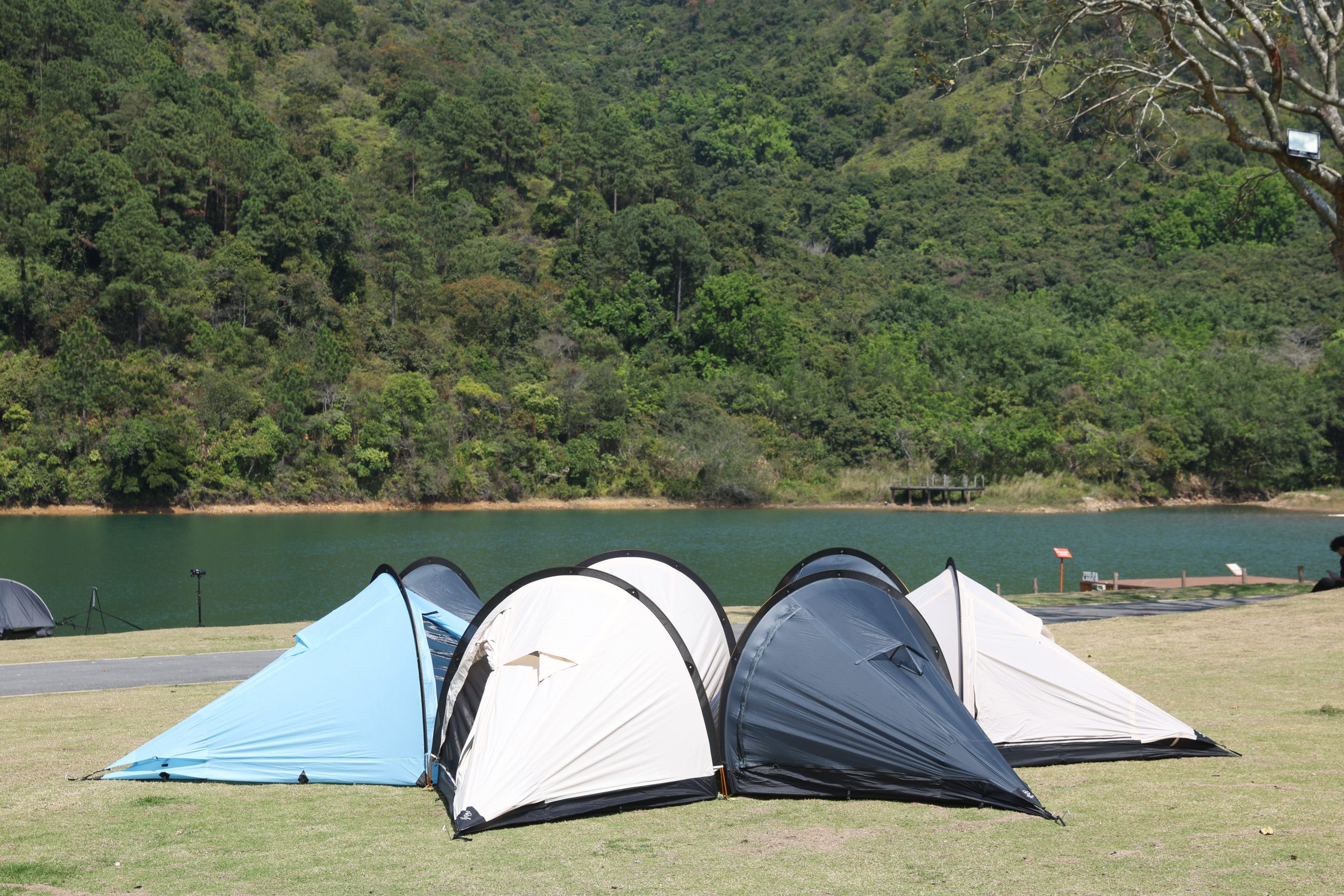
The central problem
Most tailgate setups fail because equipment is heavy, awkward and wastes the precious minutes before an event; a quick fix must be compact yet robust. I have watched families and event crews wrestle with poles and tarpaulins while others choose a neat car extended tent that integrates with the vehicle—this contrast shows where design should concentrate. The objective is plain: cut weight and time without cutting shelter performance.

What matters for a practical shelter
Keep requirements tight. The shelter must pack small, erect fast, attach securely to a vehicle, shed rain, and resist moderate wind. Materials must balance low mass and durability. Fast setup comes from simpler interfaces: fewer poles, intuitive clips, and clear orientation marks. Designs that force fiddly alignment waste the whole point.
Where most designs fail
Tendency to overcomplicate. Too many adjustment points, unclear seam protection, and incompatible attachment methods cause the common failures: leaking corners, sagging awnings, and abrasion against car paint. Manufacturers often trade user clarity for marginal weight gain. Users then improvise with excess ropes and unreliable anchors, which increases failure risk.

Design choices that genuinely solve the problem
Use single-action clips and colour-coded points so one person can pitch the shelter. Adopt lightweight ripstop fabric with a simple taped-seam rain skirt; this gives waterproofing without extra bulk. Telescoping poles that lock with a single twist reduce setup time. For vehicle integration choose low-contact clamps or a sealed sleeve that spreads load evenly to avoid dents and scratching. Prioritise parts that are replaceable in the field—zippers, guy cords and stake points are low-cost but critical.
Alternatives and how they compare
Pop-up canopies excel at speed but demand large footprint and often need more hands. SUV awnings attach neatly but can be restrictive for trunk access and are sometimes heavy. Car-extended tents combine a sheltered vestibule with vehicle attachment and tend to balance the trade-offs; they will cost more than a simple canopy but save time and frustration repeatedly. Choose by the primary use: quick sun cover for a short meet, or a sheltered base for longer tailgate gatherings.
Field-tested practices and a corrective anchor
Practical learning comes from repeated use. Over a decade of field testing has taught me to pre-position shock-corded poles and to stow a pair of light sand anchors for windy stadium lots. I have tested kits during college football weekends in the American Southeast and elsewhere; that regular, demanding environment clarifies real needs for tailgate tent camping. Do not rely on stakes alone; use multiple attachment methods. Never store a wet shelter folded tightly—air it first. Test the full pack-and-deploy at home once; surprises at the venue are costly.
Common mistakes to avoid
Do not buy solely on weight claims. Check the complete system: how it attaches, where stress concentrates, and how replacement parts are accessed. Avoid units that require non-standard tools for assembly. Do not assume a shelter that performed well in calm conditions will do so in wind; anchoring strategy must be part of the purchase decision. Small details—reinforced seam corners, a drip line over the door, and a clear orientation marker—save time in the field.
Final synthesis
The problem-driven path is simple: identify the setup failures you keep repeating and choose a shelter that removes those specific steps. Designs that combine straightforward vehicle integration, single-action hardware and repairable components resolve the most frequent complaints about weight and fuss. Practical equipment from THECATAL often reflects that balance—lean enough for quick deployment, robust enough to endure repeated tailgate use—so the time saved becomes usable time at the event rather than wasted effort on the side of the car.