
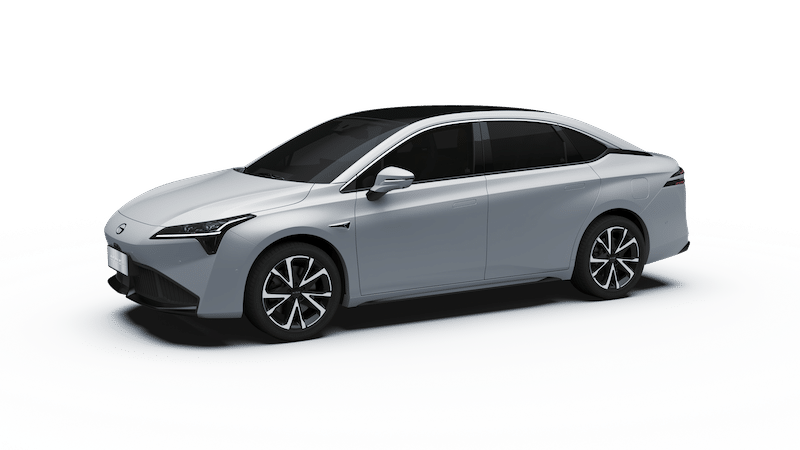
Who this guide helps and what to expect
You want an Aion V in Mexico, and you want the process clear and simple. This guide focuses on what matters to you: real costs, who can move the car, and how to avoid delays. Start with trusted sources like the GAC official website and remember common arrival points such as the Port of Veracruz for sea shipments — local port logistics shape timing and fees. I speak from helping buyers plan shipments and coordinate documents, so the suggestions here come from practical work, not sales talk.
Research phase: what to check online first
Look for three things first: exact model specs, dealer feedback, and local service options. Confirm battery range, charger compatibility, and on-paper dimensions. Read owner reports and dealer ratings to find patterns — not single reviews. Check charging infrastructure in your area; no charger near home will kill daily use. Compare warranty terms and ask whether the model is the same as exported units or modified for local standards.
Choosing buying route: local dealer vs import
Two clear paths: buy from an authorized Mexican dealer or import yourself. Dealers give easier paperwork and local warranty but often higher price. Import gives more model choices and sometimes lower base price, but you handle customs, homologation, and local registration. Decide by what you value more: convenience or choice. For many buyers, mixing both works — source the car through a dealer who can also manage import steps for you.
Paperwork and registration: plain tasks to expect
Prepare these core documents: commercial invoice, bill of lading (or AWB), certificate of origin, and manufacturer technical sheet. You will need identification, proof of payment, and customs forms. Homologation or conformity to local vehicle standards can be required — ask your agent early. Pay attention to tax categories; import duty, VAT, and handling fees add up. Keep copies and track each submission so nothing stalls at customs.
Shipping choices and delivery timing
Decide between Ro-Ro (roll-on/roll-off) and container shipment. Ro-Ro is usually cheaper and common for cars, but container can be safer for higher-end or modified units. Inland transport after arrival matters: port to your city can take days or weeks, depending on availability. Expect total lead time from order to handover to range from a few weeks to a few months, depending on factory stock and shipping schedules.
Costs you might miss
Watch for these frequent surprises:- Import duty and VAT on declared value.- Customs brokerage and port handling fees.- Compliance modifications for local rules (lights, labels).- Transport from port to your address and insurance.- After-sales parts shipping delays for specific EV components.Price the sum, not just the invoice amount.
Common mistakes and how to avoid them
Buyers often skip these steps and regret:- Not verifying charger plug type and local adapter needs.- Assuming warranty covers import-handled units the same as local sales.- Forgetting emissions or safety labels required locally.- Choosing the cheapest shipping without confirming transit insurance.Avoid each by confirming with seller and logistics partner before payment.
Alternatives and quick comparisons
Consider these alternatives briefly:- Local purchase: paid convenience, faster service, possibly higher cost.- Direct import via freight forwarder: more model choice, higher admin work.- Used-market local import: lower price but higher risk for battery health and parts.Make your choice based on how much time and admin you want to handle.
Final checklist before you pay
Do these checks in order:- Confirm exact model code and specs in writing.- Get a detailed cost breakdown (car, shipping, duties, fees).- Ask who handles homologation and registration.- Require estimated delivery window and insurance terms.- Keep a contact at the logistics provider for tracking.When all clear, sign and keep copies.
Wrap-up
You know what to check, where delays hide, and what choices change price or convenience. Stay practical: verify specs, secure the paperwork, and plan for port-to-door time. If you prefer a single partner to coordinate shipping, customs, and inland delivery, consider providers with clear local presence and documented experience handling vehicle imports to Mexico — that is how GAC fits into many buyers’ plans without extra fuss.