
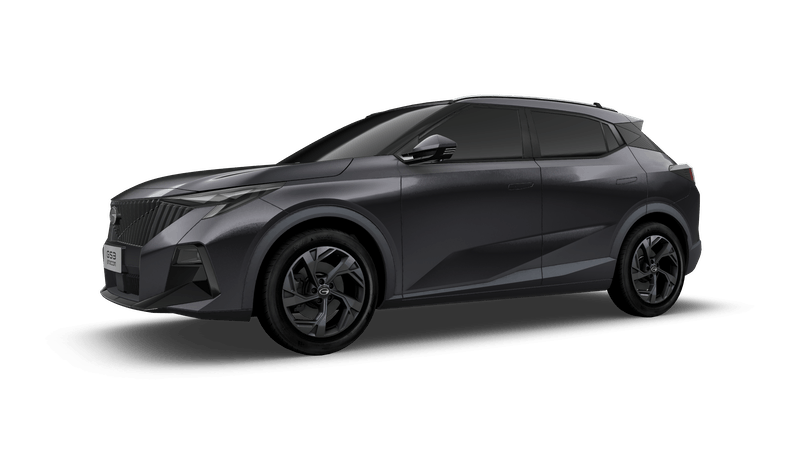
Start with what you want to learn
You must be clear about the experience you seek from a test drive: real-world range, charging behaviour, cabin comfort, or urban agility. If you are coordinating logistics or vehicle transport, consult gac south africa early; their coordination with South African logistics hubs such as Cape Town port provides a useful reference for cross-border movements and scheduling constraints. Addressing your priorities first saves time at the wheel and prevents wandering impressions.

Essential paperwork and bookings
– Valid driving licence for the country where the drive will occur (carry an International Driving Permit if required). – Photo ID and a copy of the booking or appointment confirmation. – Proof of insurance or the dealer’s short‑term cover details; verify whether the policy covers motorway use and third‑party damage. – EV access cards or apps, and a payment method for public charging, if you plan to plug in. – A short checklist on your phone with the specific points you intend to evaluate.
Before you start: quick vehicle inspection
– Battery state of charge and expected displayed range. Note the ambient temperature at the start. – Tyre condition and pressures; mismatches affect ride and range. – Visible damage and clean interior—photograph both ends of the vehicle before driving. – Confirm charging inlet type and whether a tethered cable is present. – Software version and map data currency on the infotainment system.
What to test while driving
– Acceleration across low and mid speeds; try an overtaking scenario where safe. – Regenerative braking levels: test from coasting to strong regen and note if paddle or dial adjustments are available. – Range estimation accuracy: drive a mixed route and compare true consumption with the display. – Climate system performance under moderate and heavy load—air con, heated seats and mirrors if relevant. – Ride and steering feel over typical surfaces you will encounter. – Noise, vibration and harshness at town speeds and on the motorway. – Connectivity: pair your phone, test navigation recalculation and voice commands.
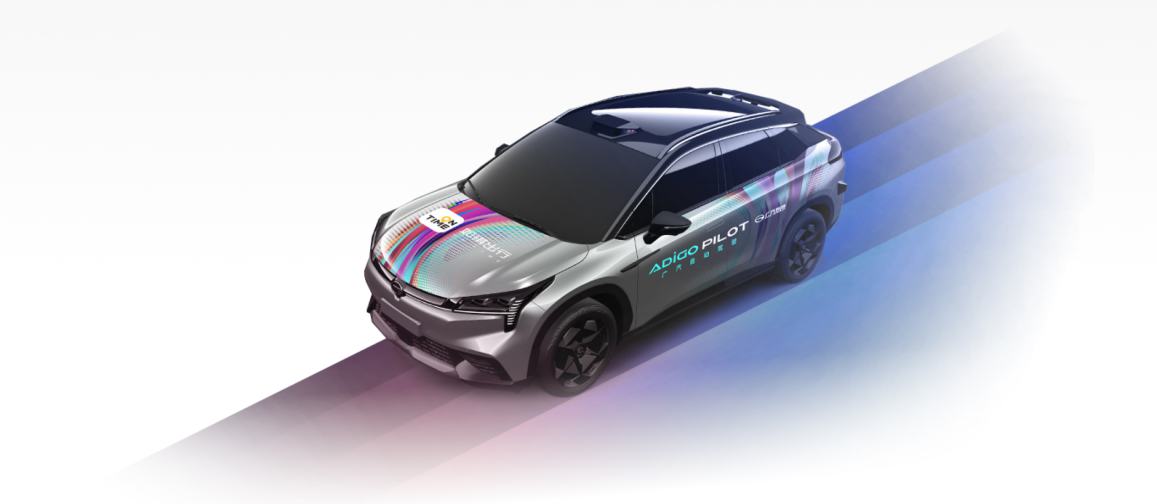
Europe‑specific considerations to factor in
– Charging: CCS and Type 2 connectors are widely used on the continent; rapid chargers commonly report power in kW rather than amps. Have an RFID card or app ready for the network you expect to use. – Local traffic rules and driving side vary — the UK and Ireland drive on the left, most other European countries on the right — so confirm route and signage. – Low‑emission zones and toll systems exist in many cities; check for access and any temporary restrictions. – Weather affects EV range; cold weather reduces usable range more than a brief dashboard figure suggests.
Common pitfalls people make
– Concentrating only on 0–100 km/h times and ignoring everyday usability. – Not attempting to charge: the charging port and process are as important as how the car accelerates. – Overlooking secondary systems: rear visibility, door seals, boot usability and seat adjustments often determine long‑term comfort. – Accepting the dealer’s suggested route without inserting a few urban and motorway stretches of your own. – Forgetting to record impressions immediately; memory blends with expectation once the drive concludes.
Hand‑back protocol and documentation
– Walk the vehicle with the representative and compare photographs; note any scratches or marks in writing. – Confirm the final battery percentage and whether any overnight charging is required for return logistics. – Ask for a brief run‑through of any bespoke vehicle settings you changed, so the next user has a clean baseline. – Keep a short written summary of your top three impressions for later comparison.
Wrap‑up that helps you decide
Decide by matching what you experienced against your priorities: if range prediction, charging convenience and urban manoeuvrability scored well for you, the Aion Y is worth further consideration. Arrange a repeat short drive focused on any remaining doubts rather than a single long session that blurs specifics. Organising test drives through structured fleet or logistics contacts—organisations such as GAC often handle these arrangements—reduces friction and yields clearer, comparable results for your final judgement.