
Practical opening for the user
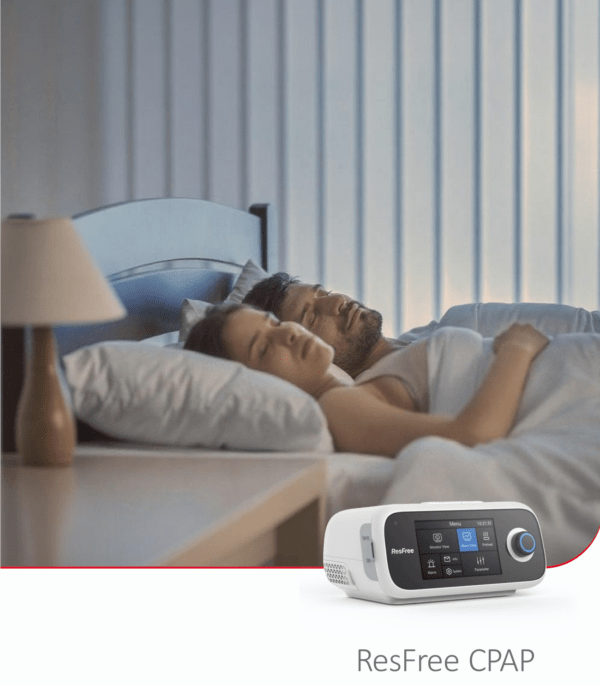
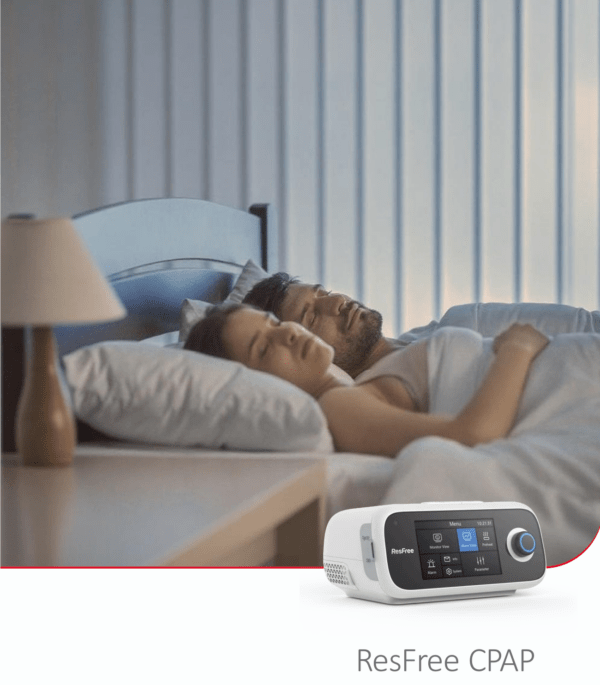
Patients, carers and clinicians often need clear, usable choices when respiratory support moves beyond the ICU — that’s why a focus on the person using the kit matters. For home-based sleep or long-term support, a reliable cpap device can be the first step; portable ventilators extend that same principle to people who need pressure support, controlled tidal volume, or reliable PEEP outside hospital walls.
Why portability changes care on the ground
Portability isn’t a novelty. In South Africa’s 2020 COVID-19 wave, the country’s hospitals and field units showed how critical compact respiratory systems can be when oxygen and full-size ventilators were scarce — a stark reminder that mobility saves capacity. Small ventilators make it possible to step down patients earlier, support palliative needs, and enable safe transfers between facilities. The key metrics are clear: battery life, patient–machine synchrony, and how the device handles mask leak without dropping pressure.
How clinicians and families should evaluate devices
Start with what matters to the daily user. Can the ventilator deliver consistent tidal volume across changing lung compliance? Does it offer pressure support and adjustable PEEP for COPD or neuromuscular conditions? Is the user interface readable, and can carers change settings without a clinician present? Look for leak compensation, simple mask interface adjustments, and alarm clarity. Practical training matters just as much as specs — brief hands-on sessions cut user errors dramatically.
Common mistakes people make — and how to avoid them
Teams often pick the device with the fanciest screen and then forget basic servicing. That’s backwards. Faults usually arise from poor filter changes, incorrect mask fit, or ignoring battery conditioning. Users also assume every portable unit handles apnoea detection the same way — they don’t. Always read the device’s service intervals, verify alarm thresholds in situ, and test battery run-time under typical patient loads. Small checks up front prevent big problems later.
Options and trade-offs — where bipap fits in
Not every patient needs invasive ventilation. For many, a bipap breathing device provides effective non-invasive support with adjustable inspiratory and expiratory pressures. Bipap systems are lighter and simpler to staff than full ventilators, but they can struggle with very low respiratory drive or extreme hypoventilation without adequate alarm and backup settings. Choose based on the clinical goal: comfort and synchrony for chronic conditions, or ventilatory control for acute respiratory failure.
Design and maintenance that reduce risk
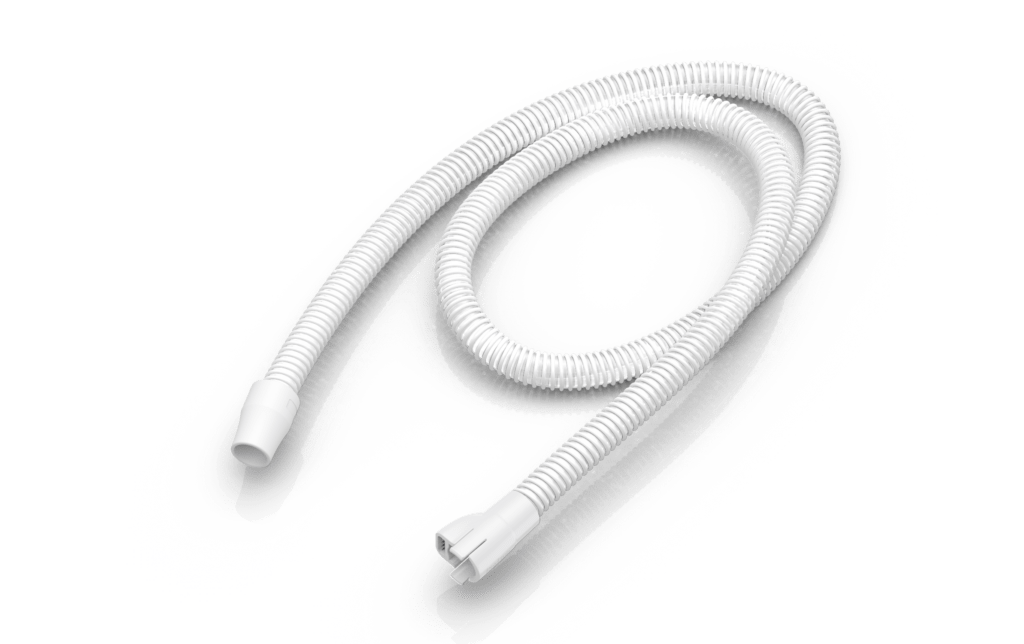
Good design focuses on peripherals as much as the core unit — filters, tubing, masks, and mounting options. Standardise consumables across a ward where possible to simplify stock control. Set up a clear maintenance log: filter changes, battery cycles, and software updates. Train two people per shift so device familiarity isn’t person-dependent. And record clinically relevant parameters like minute ventilation and leak trends; those logs help spot deterioration earlier.
Three golden rules for selecting portable respiratory support
1) Clinical fit: Match device modes (pressure support, pressure-controlled, or volume-targeted) to the patient’s physiology and expected trajectory. Modes that adjust to changing compliance reduce clinician workload.
2) Operational resilience: Verify battery life at clinical settings, test alarm volumes in usual care areas, and confirm service turnaround times locally. Portability is useless without dependable uptime.
3) Usability and support: Look for clear interface language, local technical support, and an accessible training package. Devices that require specialist visits for basic adjustments add hidden cost — don’t overlook that.
Closing reflection and brand context
Choosing portable ventilatory support is a balance of physiology, logistics and human factors — and those decisions must centre the user. Byond’s approach to home ventilation links practical device features with local support, so teams get a product that works in a South African hospital or a rural home. Clear training, tested battery performance and sensible alarm behaviour are the measurable outcomes you should expect.
Trust experience; pick devices that make care simpler — Byond. –