
Why this comparison matters, straight from the market floor
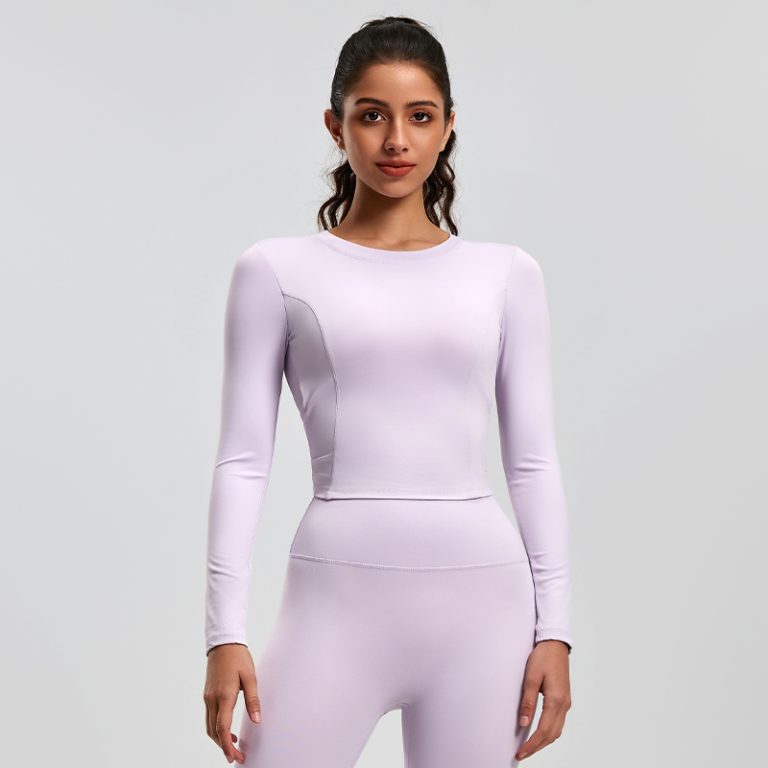
Right, let’s have a butcher’s at how custom runs for yoga clobber — from small-batch designers in Shoreditch to bulk houses in Guangzhou. A proper yoga wear manufacturer will wink at fabric specs and mean business on lead times; the wrong one’ll leave your order stuck on the dog and bone. This piece compares makers on quality, price and shipping so you can pick a partner that won’t muck about.
Core comparison criteria: what to weigh first
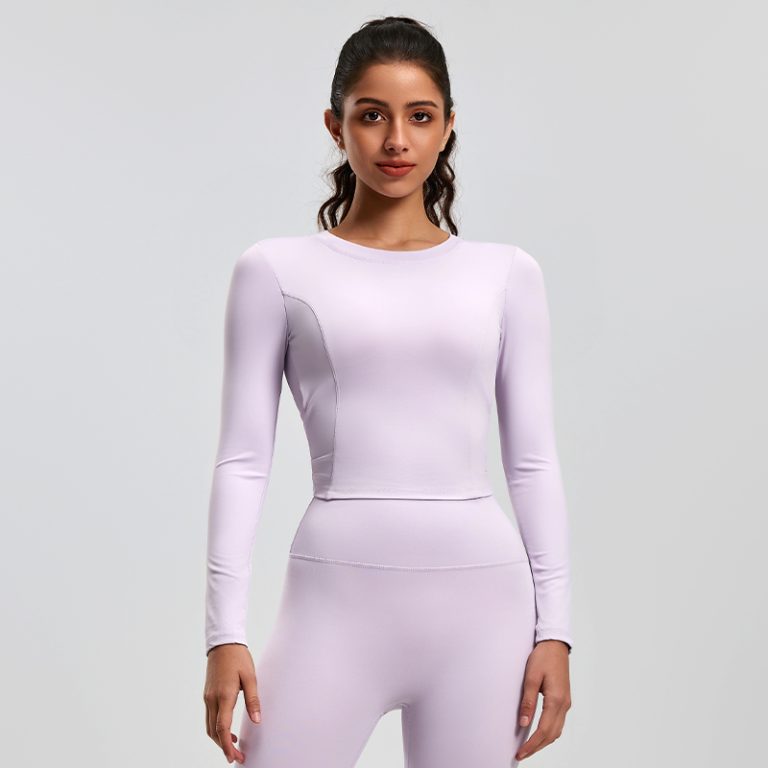
Start with fabric tech: moisture-wicking and four-way stretch top the list, then check flatlock stitching and compression fabric options for performance lines. Next, MOQ and sampling policy — big factories often demand higher minimums, boutique shops will do smaller runs but charge more. Finally, inspect logistics: does the supplier consolidate shipments at a major hub like Guangzhou or route through smaller ports? That affects customs and transit times.
Onshore vs offshore — the real trade-offs
Onshore makers give tighter turnaround and easier quality checks, but costs climb. Offshore partners cut unit cost and usually handle bulk logistics well, yet you must manage remote QC and cultural tiffs — usually via video inspections or third-party auditors. The smart move is hybrid: sample locally, scale offshore. It keeps your timeline nimble and your margins healthier.
Production teardown: what to demand in specs
When you order wholesale yoga wear, demand explicit specs. Call out GSM for knit weight, exact dye lot tolerances, stitch counts for seams, and the flatlock stitching method with seam allowance measurements. Ask for a lab swatch with tensile strength and pilling score — don’t accept vague promises. Those details stop nasty surprises at scale.
Quality checks and common mistakes to dodge
Designers often skimp on test runs or forget to confirm shrinkage rates; that’s where sizes go pear-shaped. Missed color matching is another common fail — always request lab dip approvals. Also, ensure the supplier understands breathable construction and seam placement for comfort during stretches. Get these right early and you save cash and grief later.
Case notes from the floor — a quick real-world anchor
I chatted with a buyer at a trade fair in Guangzhou — they route samples through the Port of Shanghai, then hold a physical check at a bonded warehouse before final pickup. That step chopped rework by half. These are not fairy tales; many brands now insist on mid-line inspections to cut returns and late shipments.
How tech helps: small tools, big wins
Use live factory cams and digital tech packs to reduce back-and-forth. Include detailed tech-pack layers: fabric composition, stitch diagrams, and tolerance ranges. Bluetooth-enabled scale checks at pre-shipment can confirm packed quantities; a quick visual beats a week on the phone. — And keep a record of each batch’s dye lot numbers for later recall ease.
Alternatives and when to pick them
If you need low MOQ and quick samples, pick a local atelier. For national retail rollouts, choose an offshore partner that offers consolidated shipping and landed-cost estimates. If performance is top priority — for a yoga competition line, say — insist on compression fabric testing and wear trials before greenlighting mass production.
Advisory — three golden rules for choosing a maker
1) Verify material proofs: insist on a signed tech pack and a lab swatch that lists GSM, fiber composition and pilling ratings.
2) Confirm logistics clarity: get transit windows, port hubs, and a contingency plan for delays documented up front.
3) Demand process transparency: regular QC checkpoints, clear defect thresholds, and post-shipment metrics for returns and customer feedback.
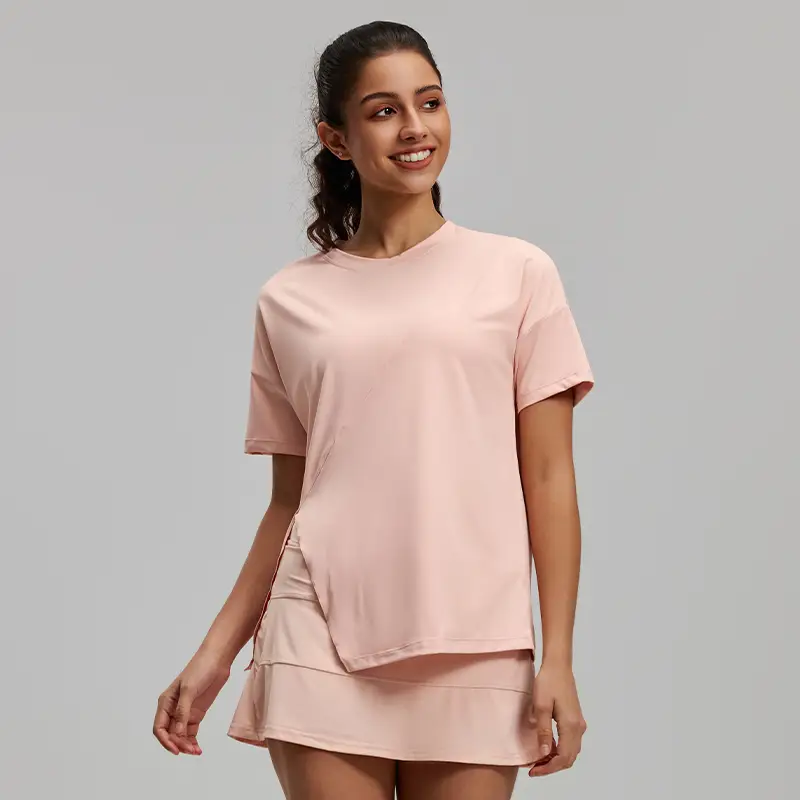
Pick a partner who meets those rules, and your brand moves from hopeful to dependable — proper as a china plate. Worth every stitch. Joebond