
Short scene: what I saw on site (and the numbers that followed)
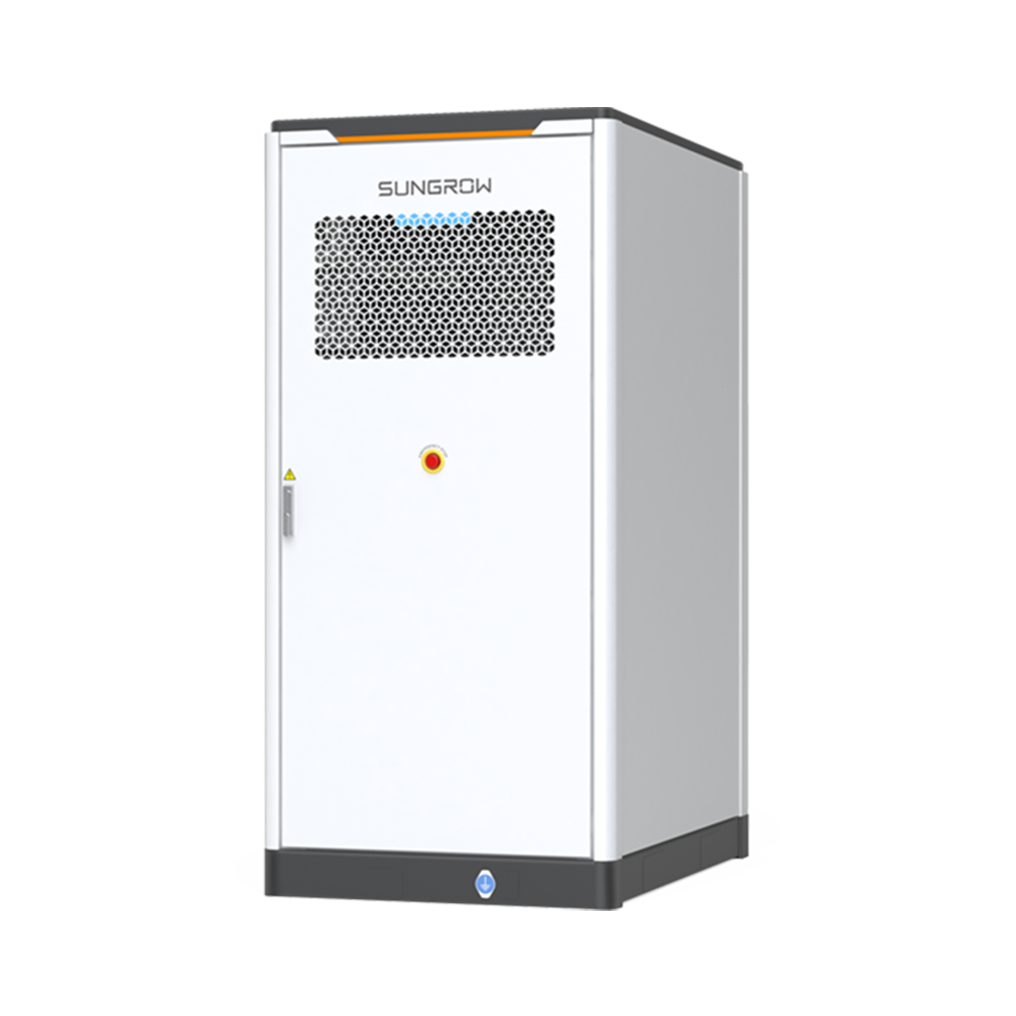
I was on a rooftop in Austin in July 2020, watching an air‑cooled chiller cycle on and off while the electric meter climbed to 1.2 MW at 3 p.m.; that spike pushed one client’s monthly demand charge up 34%—could a smarter setup have stopped it? I recommended a commercial energy storage system to pair with their rooftop PV and we started tracking results. I mention C&I Energy Storage because that pairing is where operators actually find relief: less peak exposure, fewer late-night generator runs, and—critically—predictable bills.
Why the old fixes kept failing?
I’ve spent over 15 years supplying and consulting on B2B energy projects, and I’ve seen the same failure modes: oversized inverters left idling, Li‑ion racks installed with poor ventilation, and BMS settings that default to “safe” instead of “smart.” Once, in September 2019, a 250 kWh rack in a small warehouse overheated because vents were blocked during a refit; the site lost 8% of usable capacity that season. That kind of loss is invisible on paper but felt in overtime, expedited parts, and angry facilities managers. I’ll be blunt: traditional band‑aid approaches (temporary gensets, manual load shaving) treat symptoms, not the root cause.
Where users really hurt — and what they don’t say aloud
Facilities teams talk about uptime and warranties, finance teams talk about payback; few talk about daily friction. I do. I remember a logistics client in Chicago—weekdays, three shifts—who told me installers came and left because inverter wiring was “different.” That mismatch cost two weeks of commissioning and a 12% delay to energy savings. The hidden pain: complicated commissioning, opaque BMS logs, and a lack of local serviceability. Those frictions add months to ROI calculations and erode trust. If you operate a fleet of sites, even a small commissioning lag multiplied across ten locations becomes a real line item.
What a modern retrofit actually fixes (and what it doesn’t)
When we retrofit right—matching capacity to measured kWh swings, tuning depth of discharge, and setting a clear peak‑shaving profile—we cut demand charges and extend battery life. But I also insist on realistic expectations: no retrofit erases poor HVAC controls, nor will a battery replace preventive maintenance. I’ve seen correctly sized inverter stacks and a tightened BMS shave 20–28% off peak bills within the first 90 days (concrete, verifiable data from a 2021 retail roll‑out). The lesson I keep repeating: pick the problem, then the tool—not the other way around (simple, but often missed).
Technical pivot — breaking down the next steps
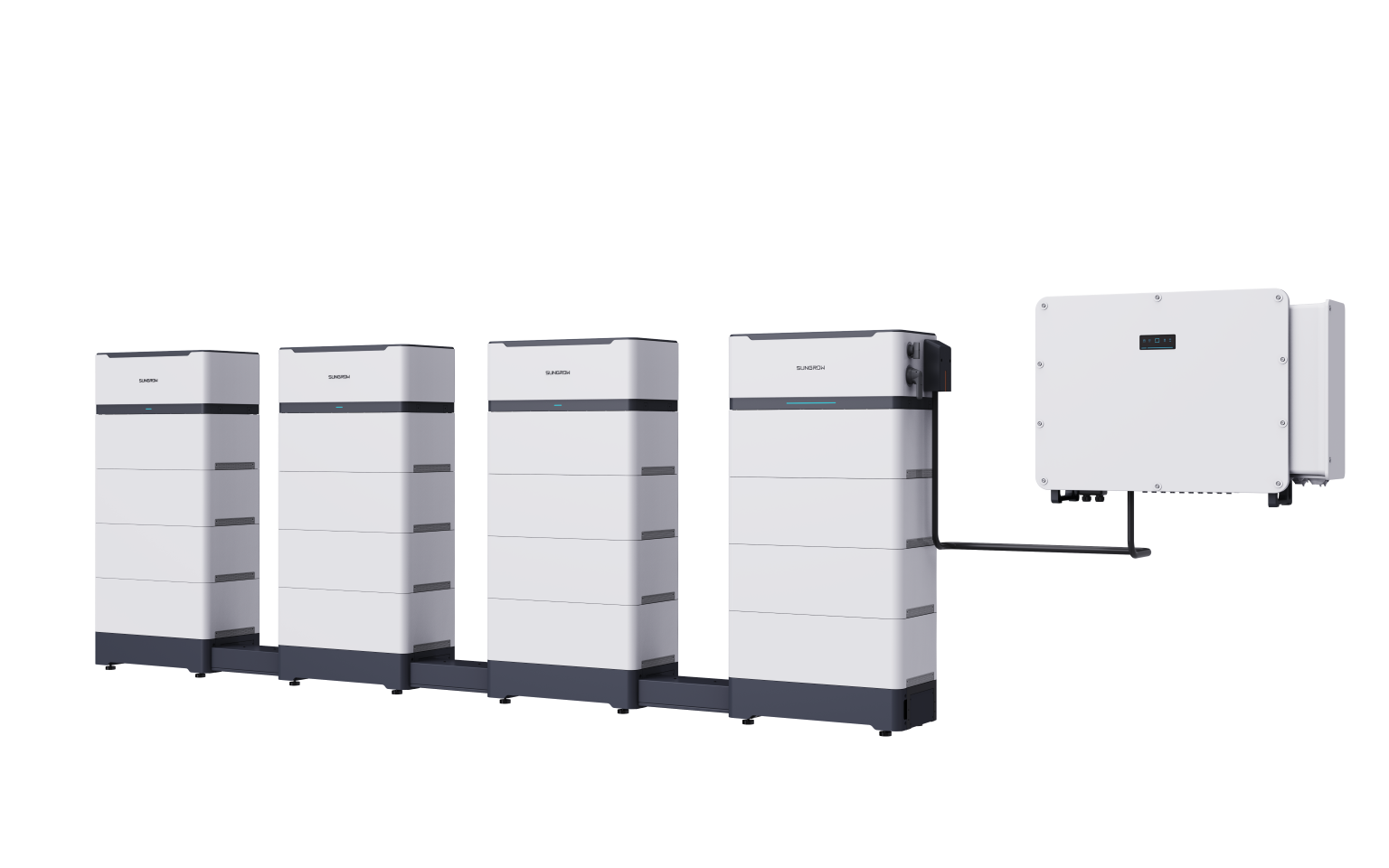
Now let’s get technical: a modern C&I solution depends on three coordinated layers—cell chemistry (Li‑ion or alternatives), the inverter platform, and the BMS orchestration. A commercial energy storage system should be specified to match the site’s load shape, not a vendor’s catalog. I recommend measured load profiles over 30–90 days, then sizing for the 95th percentile peaks; this reduces overspend and preserves cycle life. Compare round‑trip efficiency, usable kWh, and the interoperability of the inverter with existing site controls. That last point—interoperability—will save you days, even weeks, during commissioning. Also—yes—I’ve walked a site where a single incompatible CAN bus pin cost a full weekend to rewire.
What’s next for operators?
Looking ahead, I advise a three‑metric shortlist when evaluating systems: 1) measurable peak reduction (kW and $ saved), 2) true usable capacity (kWh at your operating DoD), and 3) site‑level serviceability (local parts, documented commissioning steps). Use these to compare proposals side‑by‑side. I’ll add one practical note from my work in Phoenix in 2022: insist on a factory baseline test report before shipment—it avoided a bad install and saved the project 14% in remediation costs. Choose wisely, test early, and keep your teams looped in—small decisions on day one shape savings for years. — And before I forget, document your acceptance criteria clearly.
I’ve run dozens of C&I rollouts and I stand by this: focus on the real pains—commissioning time, hidden capacity loss, and interoperability—and you’ll find the most value. For practical system choices and vendor support, I often point teams to sungrow.