
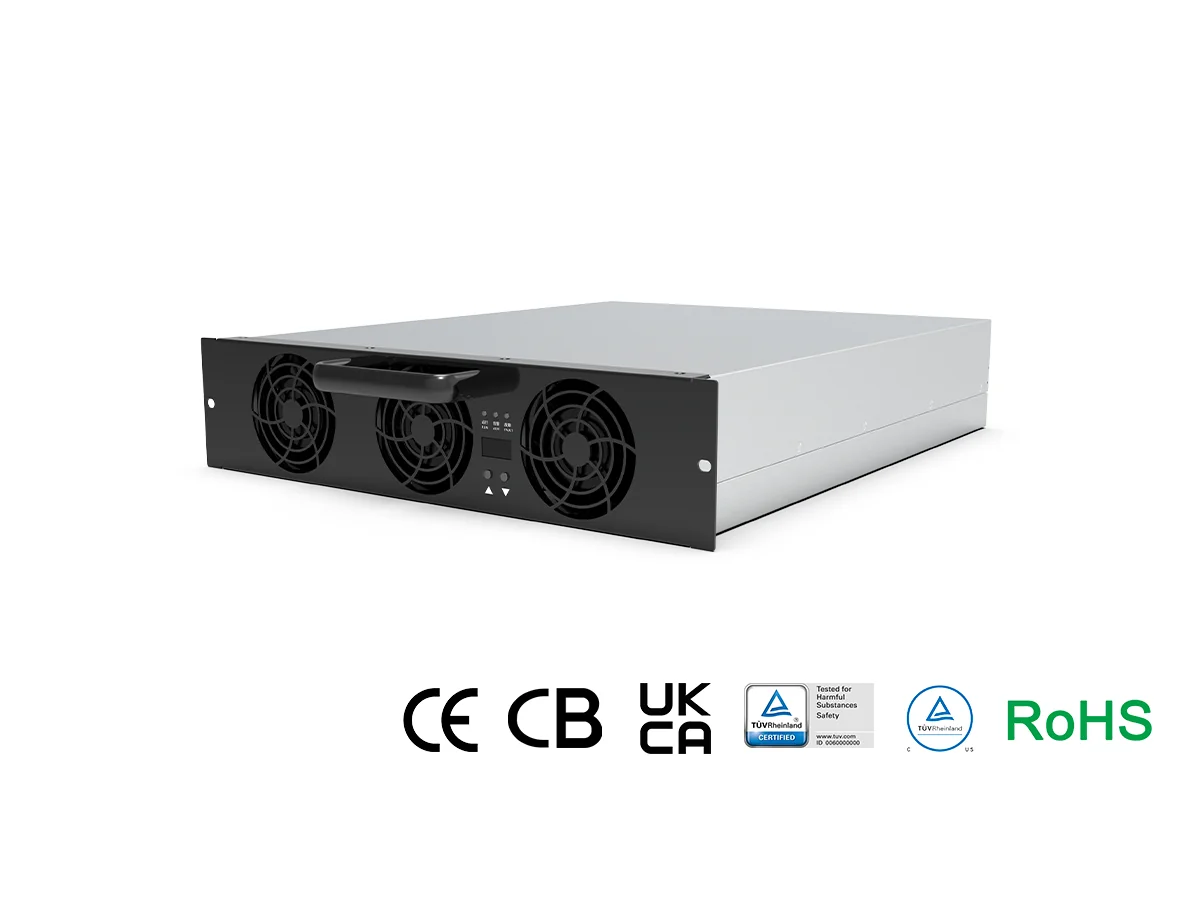
New Heat, New Rules: Why Your Fast Charge Slows Down
Here’s the deal: most slowdowns at a busy EV stop aren’t about software. They’re about heat. A liquid cooling module is the part that lets the charger keep its cool when the amps spike and the sun is cooking the lot. Picture a summer highway pull-off—four cars lined up, everyone chasing a quick top-up. The site is pushing hundreds of amps at near 1000 volts, and every minute counts. So why does the third car get a weak stream, and the fourth hears fans scream like a drone swarm? Is the kit underbuilt, or is the thermal design stuck in the past (tbh, both can be true)?

Data tells a chill story: heat throttles power converters, and air-cooling hits a wall fast. You get cable temps rising, busbar losses creeping, and the cabinet playing defense. Meanwhile, drivers bounce between stations—funny how that works, right? So the question is simple: if we can move that heat out faster and steadier, can every session hold high power longer? Look, it’s not magic—it’s flow rates, coolant loops, and contact resistances. But also, it’s design choices. Ready to see where the old way breaks and the new way wins? Let’s dive.
Under the Hood: The Pain Points Air-Cooled Systems Can’t Hide
What’s failing in air-cooled stacks?
Let’s get clean and technical for a minute. A modern 1000V charging module needs predictable thermal headroom to stay efficient. Air tries, but it’s uneven. You get hot spots around IGBT or MOSFET packages, and the DC link starts to drift under stress. Those spikes trigger protective derates. Fans kick harder. Dust loads up filters. And the whole bay sounds like a server room from 2009. Worse, cable limits force the control loop to step down current just when the pack is ready to gulp—it’s a mismatch between airflow reality and power demand.
Liquid loops change the math. A sealed coolant manifold pulls heat straight from the source: power stages, rectifiers, even the connector head. That keeps junction temps in a tight band, which stabilizes gate drive behavior and slashes thermal runaway risk. Look, it’s simpler than you think: shorter thermal paths, lower delta-T, better uptime. Plus, maintenance drops because you’re not swapping clogged filters every season. For edge computing nodes running site logic or payment, that stability matters too—no surprise reboots when the cabinet cooks. So the flaw isn’t just “air vs. liquid.” It’s inconsistency vs. control—and control wins.
Next-Gen Flow: How Liquid Loops Rewire Fast Charging’s Ceiling
What’s Next
Forward-looking? Let’s compare principles. Air-cooling relies on mass flow and big surface area. Fine at 50–100 kW. At higher loads, airflow gets turbulent, noise rises, and heat transfer stalls. Liquid cooling is different: it’s about conduction first, then compact convection. You bring coolant right to the heat sources, carry energy to a plate exchanger, and dump it with precision. That’s why a liquid loop can keep a booth steady even when stack currents swing. Now layer in smart control—predictive flow rates matched to pack impedance and cable temp sensors. Suddenly, the high plateau (the one you want in the middle of the session) stays flat—more minutes at max kW, fewer ugly dips.
Case in point: sites designed around liquid-cooled modules are prepped for denser arrays and higher cable ratings. That means scaling without a fan wall or a noise complaint. And when you package modules for an ultra fast charging station 30, you gain two quiet wins—smaller cabinets and better reliability under crosswind or high-dust conditions. It’s not just “cooler hardware.” It’s a platform shift that supports higher bus voltage, smarter diagnostics, and safer fault isolation. We learned that air-cooling hits thermal limits early; we saw that liquid tightens temp bands and trims derates. So how do you choose gear without guessing? Here’s a quick, practical lens (and yeah, numbers matter).
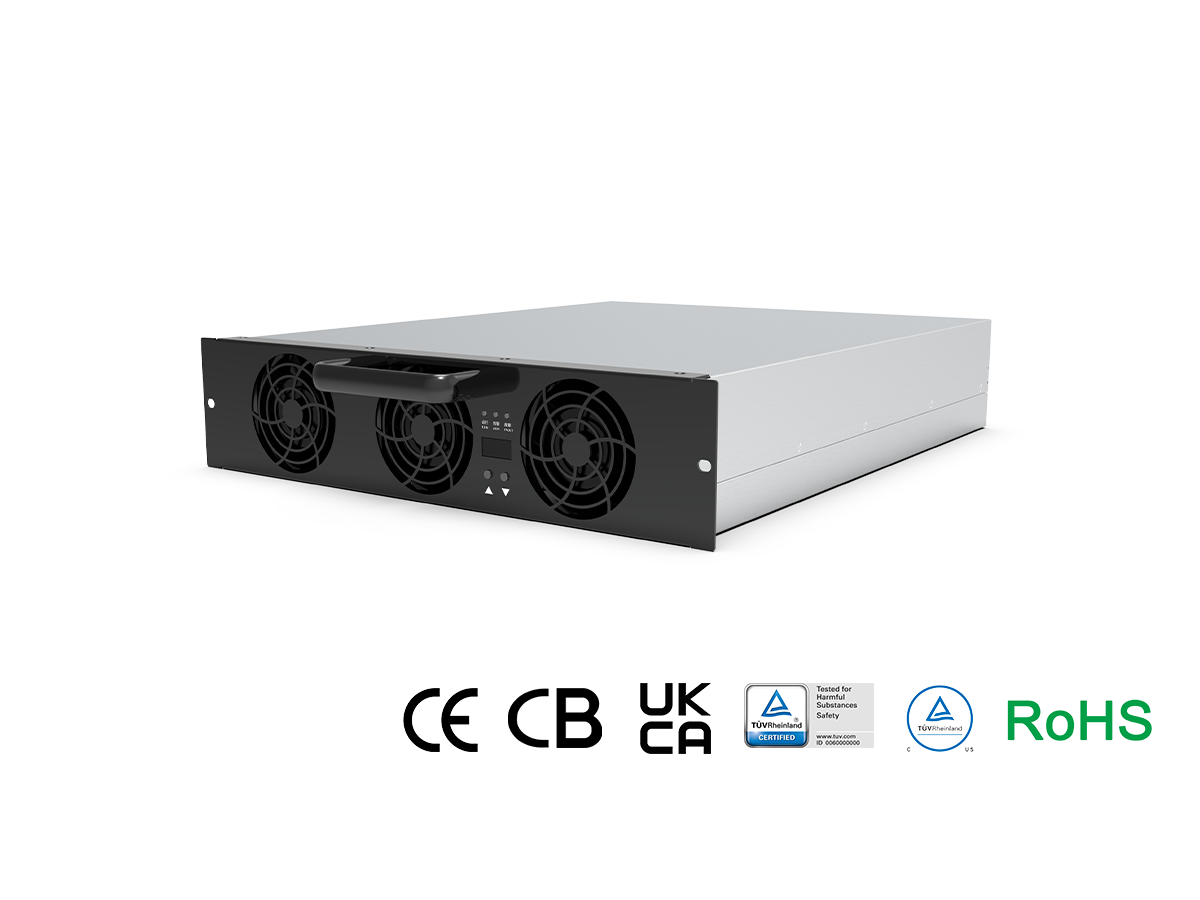
Advisory closeout—three checks to run before you buy: 1) Thermal performance under sustained load: demand a curve showing kW vs. ambient at 30–45 minutes, not just the first burst. 2) System-level losses: ask for total efficiency at 60–100% load including the pump and exchanger, not just the rectifier stage. 3) Serviceability: verify coolant quality specs, leak detection, and mean time between service for pumps and seals. If those three line up, the site will run cleaner and faster—funny how that works, right? Knowledge shared, not hype, from the folks who build and test the stacks at winline technology.