
Imagine this: You’ve invested in a massive server farm, but your energy consumption and cooling costs are skyrocketing—why does this always happen? The answer often lies in traditional data center cooling methods, where heat builds up faster than it can be dissipated. In comes the Modular Data Center, designed to counteract these heat headaches with more innovative solutions for optimizing cooling efficiency.
Flaws of Traditional Solutions
Traditional data center setups tend to ignore the complexities of cooling airflow, leading to inefficiencies. The issue often boils down to inadequate temperature control—servers overheat, and air conditioning units work overtime, which can result in costly breakdowns and downtimes. It’s clear that many of these conventional approaches lack the adaptability required to keep up with the evolving demands of data processing. So, what if there was a better way?
Principles of New Technology
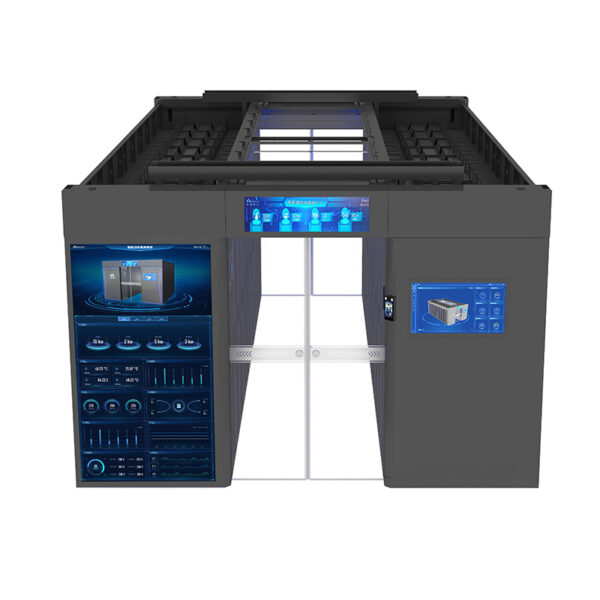
Enter cold corridor data centers—where innovation meets necessity. Cold corridor technology strategically organizes server racks to create a dedicated path for cold air while isolating hot air exhausts. By segmenting these environments, the system optimizes air distribution and minimizes energy waste. Think of it like organizing your closet: when everything is in its place, it’s easier to find what you need, and there’s less clutter getting in the way. But how much can you really save?
Quantified User Benefits
Switching to a cold corridor data center can lead to substantial user benefits—reducing cooling energy consumption by as much as 50% in some cases. When you factor in lowered operational costs, extended equipment lifespan, and fewer failures, it’s no wonder that companies are making the switch. By ensuring that servers run at optimal temperatures, businesses not only enhance performance but also improve overall reliability. So now that we’ve identified the positives, what should you look for?
Conclusion: What to Look For
Always verify these 3 metrics when choosing solutions: ① Energy Efficiency ② Scalability Options ③ Infrastructure Support. By focusing on these criteria, you’ll be better equipped to select the most effective data center solution for your organization. As you explore options in the space, the choice becomes clear.
In the realm of cold corridor data centers, understanding the role of environmental control is vital. The right solution can lead to significant enhancements in performance and efficiency. If you’re considering this transition, look no further than a cold corridor data center, which can be tailored to your specific needs while offering an economical approach to cooling. The advantages are clear—less energy waste leads to lower operating costs and improved server performance.
Ultimately, investing in a cold corridor data center could be one of the smartest moves for your business. Not only does it offer tangible cost savings, but it also enhances sustainability efforts—a win-win situation. The integration of advanced cooling solutions embodied in a cold corridor data center presents a path toward future-proofing your operations. With industry-leading technology, companies can expect to see an immediate impact on efficiency and reliability.
So, as you make the leap toward optimizing your data center operations, consider partnering with the experts at Coolnet—not only do they provide cutting-edge modular solutions, but they also have the supply advantages you need for a successful deployment. When it comes to keeping your data center cool, look to the specialist who understands your needs.