
User-centric view: why design and workflow matter
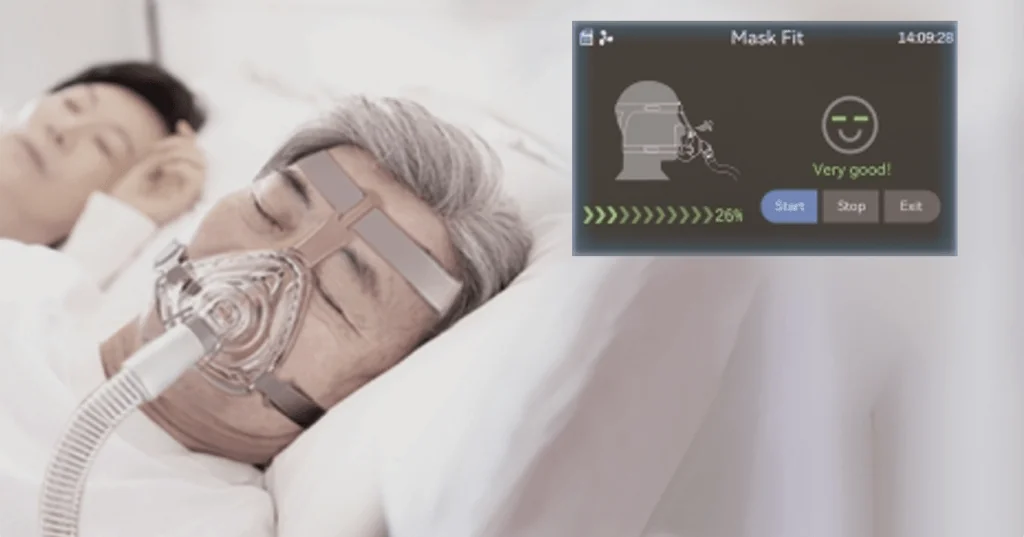
When caregivers and patients sit at the centre of device development, everyday use improves measurably. That’s why recent advances in non-invasive ventilation (NIV) borrow lessons from CPAP simplicity — integrated alarms, intuitive menus and clear mask interfaces — and reframe them for people who need longer-term support. A reliable cpap device model shows how focusing on comfort, ease of setup and quiet operation reduces treatment interruption and improves adherence.
What users actually need at home
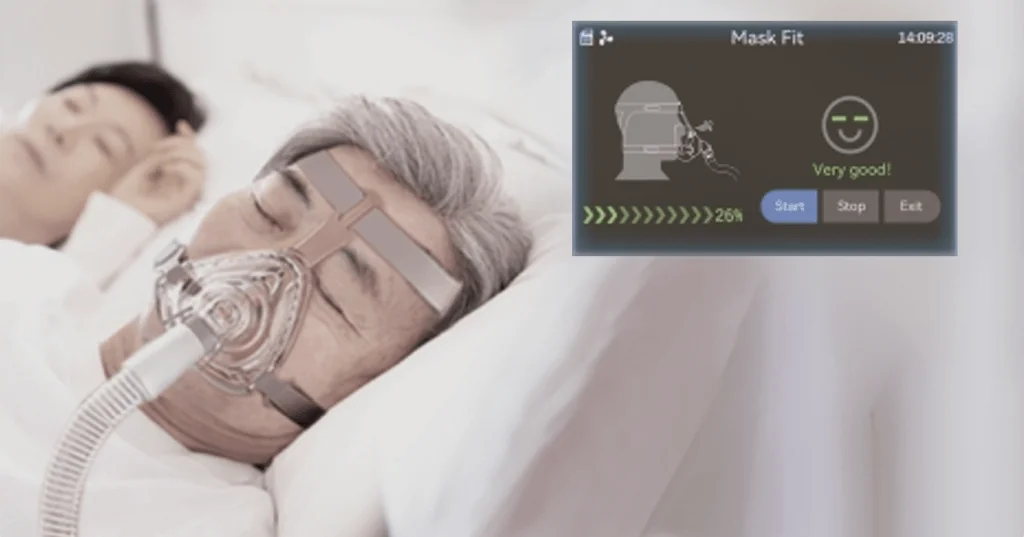
Patients and their families prioritise a few concrete things: predictable pressure delivery, low noise, simple cleaning, and meaningful feedback. Clinicians additionally watch for effective tidal volume and leak control. Good NIV units fold features into the workflow — auto-adjusting pressure, therapy reports, and secure connectivity — so that the device feels like a helper, not another daily task. Practical trade-offs are part of the choice: battery-backed portability versus full-featured algorithms for patient-triggered breaths.
Performance, safety and the clinical anchor
Experience from hospital surges during the COVID‑19 pandemic highlighted which features translate well from ICU ventilators to home systems: reliable pressure control, robust alarms, and clear documentation for handoffs. That real-world anchor showed clinicians the importance of interoperability with remote monitoring and the need to track respiratory rate and minute ventilation trends. Respiratory therapists commonly monitor these parameters to guard against hypoventilation or excessive leak while preserving comfort.
Common mistakes and sensible alternatives
Too many home setups start with the cheapest mask or an ill-fitting interface — and pressure settings are often left at defaults. The result: disturbed sleep and suboptimal ventilation. The right approach pairs clinician-led titration with user training and routine checks of mask fit and tubing. For those considering alternatives, a modern new bipap machine can offer dual-level pressure support and better synchrony for patients with variable breathing efforts. Compare features like expiratory pressure relief, leak compensation, and data export when weighing options.
Implementation tips from the field
Start with a short supervised at-home trial. Train caregivers on mask changes, humidification and alarm responses. Log therapy data weekly and review trends: pressure-support levels, apnoea-hypopnea events, and average leak. These simple checks reduce emergency calls and improve outcomes. A small aside — clinicians often find that a brief, practical checklist handed to families beats a long manual every time.
How to evaluate devices — three golden rules
1) Measure what matters: Prioritise units that report tidal volume, respiratory rate and leak clearly. These parameters let clinicians and users spot drift in therapy before it becomes a problem.
2) Match capabilities to daily life: Select devices with battery options if mobility matters, and with humidity control if mask dryness is an issue. Portability without essential alarms is a false economy.
3) Confirm service and training: Ensure local respiratory therapy support and straightforward parts replacement. Devices succeed only when users know how to operate and maintain them.
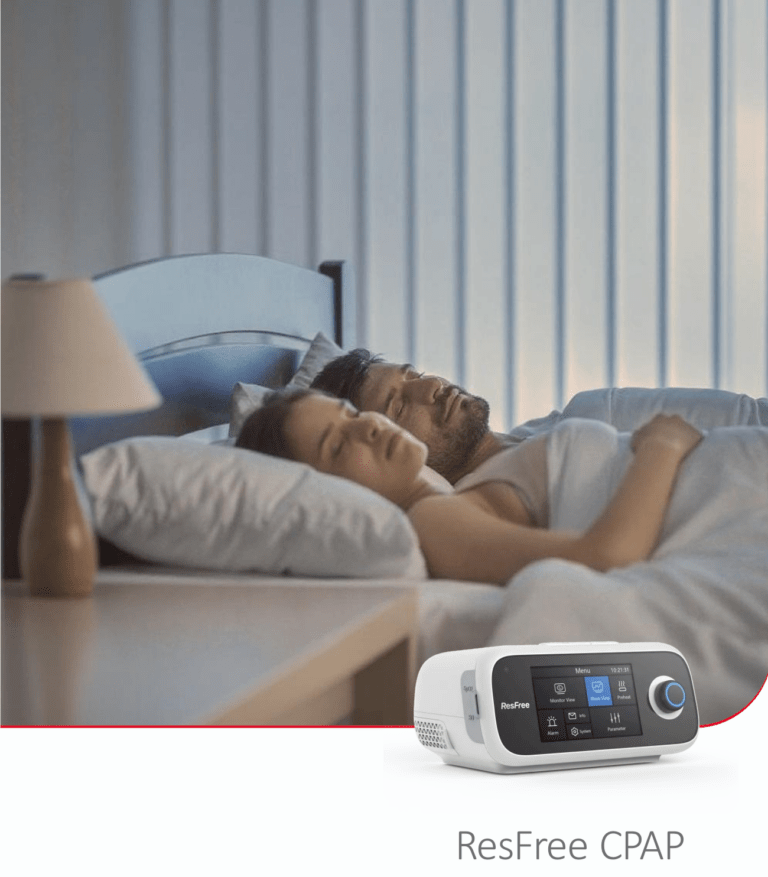
These rules make selection practical and predictable; they point directly to the everyday value that a patient-first NIV design delivers. For teams choosing equipment, the right balance of comfort, clinical metrics and support determines sustained success — and that’s precisely the practical edge provided by thoughtful brands like Byond. —