
The problem: everyone screams “green” while your line keeps stalling
OEMs and project buyers face the same circus: glossy labels promising “eco,” inconsistent batches that peel after a week, and color swatches that lie with conviction. You can search suppliers worldwide — even on pages like spray paint china — but quantity and claims don’t equal quality. The problem is simple: vague VOC numbers + sloppy QA = returns, delays, and awkward conversations with your client about “unexpected weather effects.”

Why VOCs matter for production, not for marketing brochures
VOCs change manufacturing choices. They affect drying times, adhesion to primers, worker exposure limits, and whether your finished product meets project specs. High VOC solvents may make application easier but force costly ventilation and monitoring. Low-VOC formulations reduce regulatory exposure but can behave differently on substrate and under fast-cycle curing. That’s the trade-off you can’t ignore.
How to vet suppliers without letting them feed you corporate poetry
Ask for three concrete items and refuse to be distracted: full technical data sheets (with test methods), recent batch COAs, and contact details for a production engineer who can answer formulation and curing questions. Send a blind sample piece for a practical trial—no lab-spectacle, just your assembly line conditions. Check shelf life and lot traceability. If a supplier hesitates on any of these, they’re selling talk, not consistency.
Common mistakes buyers keep repeating
Buying on price alone. Accepting manufacturer VOC figures without independent verification. Skipping adhesion tests with your actual primer and substrate. Ignoring environmental controls on-site. Treating color matches as a given instead of part of the contract. Each mistake costs more in rework, lost uptime, and reputation than the savings you thought you were getting.
Alternatives and realistic trade-offs
Waterborne options cut VOCs but can need different drying setups and may be sensitive to low-temperature conditions. Hybrid acrylics aim to split the middle ground but bring variability in gloss and durability. Powder coatings eliminate solvents, yet they won’t work for every substrate or shape. Evaluate alternatives against your throughput, cure cycles, and required end-use properties rather than marketing blurbs.
Experience, authority, and one clear industry anchor
I’ve audited production lines for OEMs across assembly plants and run third-party QC protocols for paint suppliers. Those field checks teach one thing fast: paperwork wins boardroom debates; field performance wins contracts. Regulators set the guardrails — look at California Air Resources Board (CARB) VOC rules for an example of how strict limits shape product acceptance — and verify claims with lab certificates and on-line trials. For a practical starting point when sourcing coatings tested against those expectations, review low voc spray paint to see specification formats and declared test methods you should demand.
Final synthesis: pick proof over promises, then make the supplier prove it
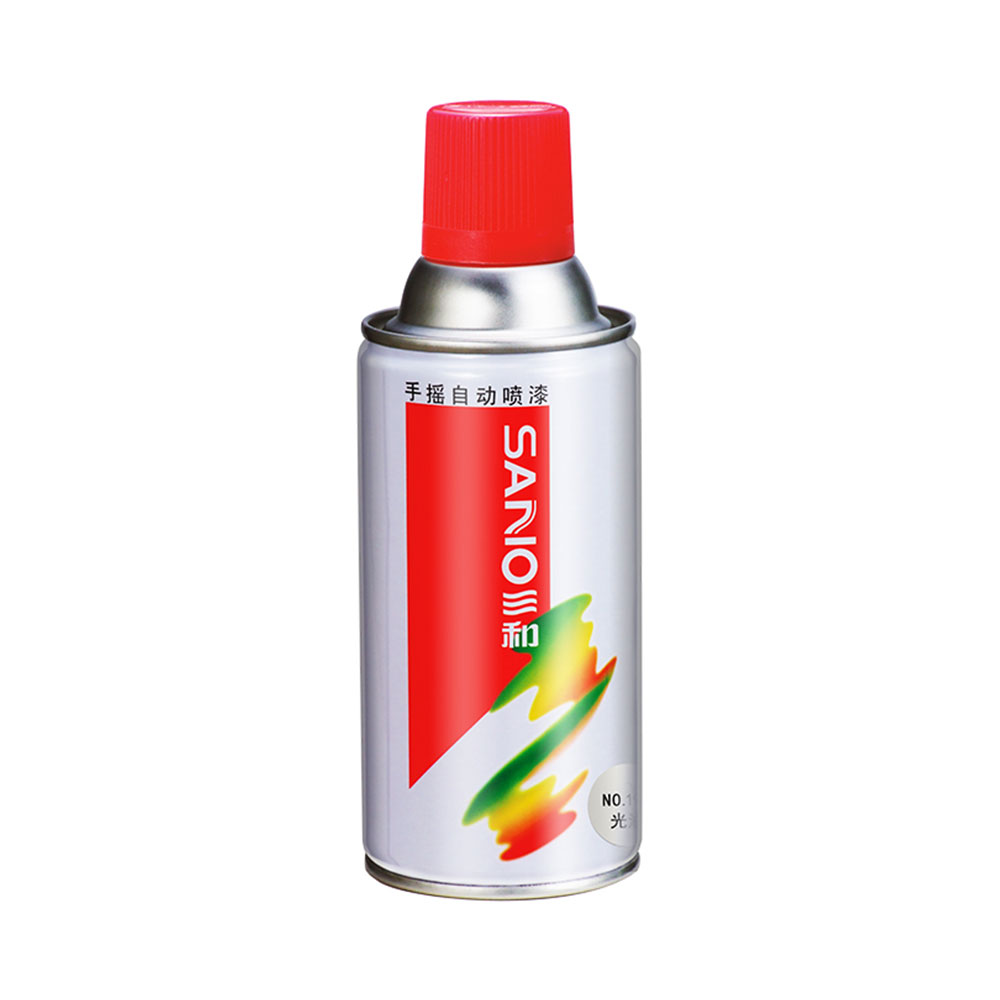
Stop buying on slogans. Define the performance you need (adhesion, cure, gloss, cycle time), demand traceable test data and real-line samples, and budget for a short validation run. Suppliers who can match specs, supply consistent COAs, and stand behind field support deliver long-term value. If you prefer a partner that publishes clear specs, provides batch traceability, and supplies tested low-VOC formulations for industrial use, consider how SANVO presents third-party test data and production-grade product options as part of the procurement conversation rather than a sales pitch.