
Facing the heat: the real problem
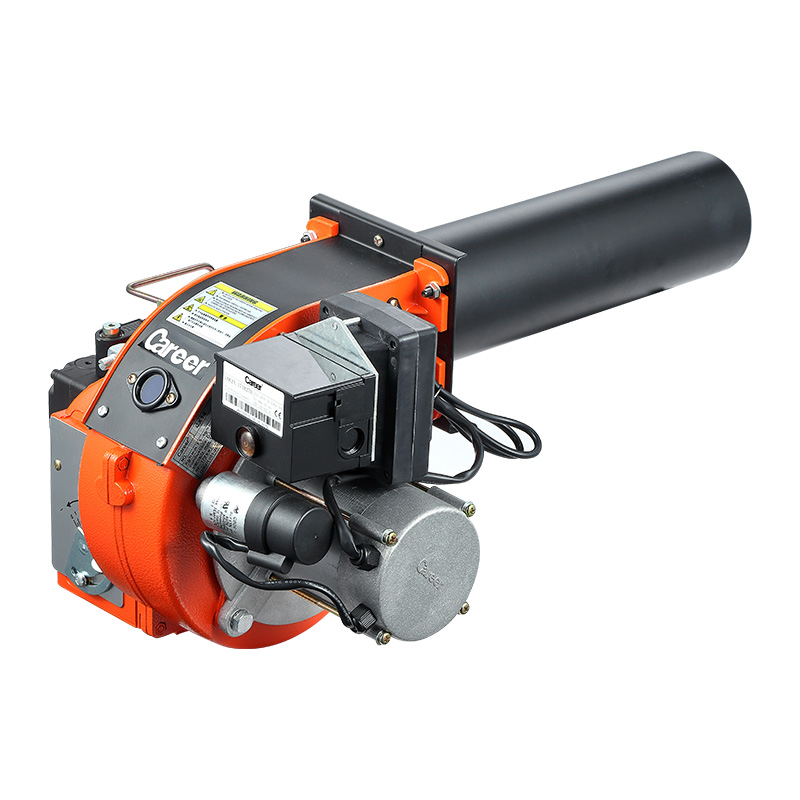
Your boilers are burning more fuel than they should, flame patterns wander, and maintenance windows feel endless. I know that strain—production schedules don’t wait while you chase soot and short cycles. A straightforward change to how the flame travels inside the combustion chamber often fixes the root cause. For many sites, upgrading the burner or reshaping the delivery to favor a focused tube flame—rather than random, turbulent pockets—starts with the same step: auditing the existing industrial oil burner and how it feeds the combustion space.

Why this problem matters—real-world context and credibility
At a midwestern feed mill in Ohio, team members noticed uneven heat and fouled heat exchangers until they trialed a longer tube-flame profile and swapped the nozzle for a finer spray; a single retrofit changed daily maintenance demands and soot buildup noticeably. I’ve worked alongside maintenance crews and combustion technicians through multiple retrofits, so I speak from hands-on experience and measured observations, not abstractions. When you aim for predictable flame shape, you get predictable throughput and fewer surprise shutdowns.
How tube flame design improves combustion—what actually changes
A focused tube flame aligns fuel and air so mixing happens over a controlled distance. That does three useful things: it lengthens effective residence time for complete combustion, reduces local pockets of fuel-rich gas that create soot, and stabilizes the flame to prevent flicker and blowout. The technical levers are simple—nozzle atomization, airflow pattern, and chamber geometry—but applied together they change real-world outcomes: lower unburned hydrocarbons, steadier heat transfer, and less carryover to downstream equipment.
Quick checks that reveal whether your tube flame is the issue
Look for uneven heat across the exchanger, soot streaking aligned with the flame plume, and frequent nozzle clogging. Use a basic optical inspection or a camera during stable firing to compare flame shape against the burner design intent. If the flame is short and chaotic, your nozzle, secondary air pattern, or combustion chamber length are the likely culprits. These checks take little downtime and tell you whether to tweak settings or consider a hardware change.
Common mistakes that waste time and money
Don’t change a single variable and expect perfect results. Typical errors: swapping nozzles without adjusting airflow; shortening chamber liners to force higher velocity; assuming higher firing rate fixes temperature swings. Those moves mask the real issue and can create thermal shock or incomplete combustion. Also, neglecting routine alignment and calibration turns any precise tube-flame setup into a variable mess within weeks.

Alternatives and when to choose them
If reshaping the flame can’t fit your constraints, consider staged combustion, flue-gas recirculation, or upgraded control logic paired with finer spray nozzles. Each alternative solves specific problems—staging reduces peak flame temperatures, recirculation stabilizes combustion—but they demand different investments and control strategies. Evaluate based on measurable goals: fuel per ton produced, soot rates, and maintenance hours per month.
Practical implementation checklist
Start with measurement: get baseline fuel use, stack temperatures, and an image of the flame. Model or sketch desired flame length based on chamber geometry. Choose a nozzle and burner head that match spray angle and droplet size to that model. Commission with a trained technician: adjust primary and secondary air increments, confirm stable ignition, and record the new baseline. Train operations staff on simple checks so the setup stays tuned.
Wrapping the problem into a repeatable solution
Tube flame design is a targeted, measurable fix—you diagnose with inspection, choose hardware to shape the flame, and validate with simple metrics. When teams treat combustion like a user flow—observe, iterate, measure—they stop firefighting and start running. For parts and compatible burners my teams consult suppliers and resource sites like Career Burners when specifying components, so installations match the intended flame behavior and deliver the steady performance you need.