
Introduction — a quick scene, some numbers, and a question
I was out on the shop floor one afternoon, watching a TIG welder throw sparks and a cloud of smoke curl up toward the rafters — you know the vibe. As I watched, I heard about production lines where airborne particles spike to 200–300 micrograms per cubic meter during peak shifts. Fume collector manufacturers we talk to say those numbers aren’t rare; they’re regular headaches. (Real talk: that dust don’t just vanish.) So what do you do when your HEPA filters clog fast, your fan arrays howl, and the crew’s coughing more than usual?

I feel like we gotta ask straight-up: are the systems we buy actually solving the problem or just masking it till the next shutdown? I’ve seen setups that looked fine on paper but failed at the practical level — differential pressure sensors weren’t checked, filter media was mismatched, and no one had tuned the variable frequency drives. You feel me? This piece looks at why that happens and what to watch for next.
Digging Deeper: Flaws in Traditional Industrial Air Purifier System Designs
industrial air purifier system designs often promise broad coverage but trip over a few old-school problems. I’ll break down the real weak spots I see — not theory, but the stuff that bites shops when production ramps up. First off: many systems lean on undersized fan arrays. That means poor capture velocity at the hood and fugitive dust. Second: filter selection gets lazy — people pick a filter by price, not by the particle size distribution they actually face. Third: control logic tends to be simple on paper and useless in practice; no adaptive control, no feedback from differential pressure sensors until it’s too late. Look, it’s simpler than you think — a correct hood, matched filter media, and a tuned VFD can change the whole game.
Why don’t these issues get fixed?
Because procurement and maintenance are siloed. Buying teams chase budget, ops teams live with quick fixes, and maintenance gets reactive. Add in legacy ductwork and poor access for filter changes, and you’ve got downtime waiting to happen. I’ve walked facilities where activated carbon beds were bypassed by a single leaky damper — nobody noticed for months. Also, the industry sometimes treats monitoring as optional; that’s a mistake. Automated alerts tied to pressure differentials and filter life estimates would prevent many headaches — but only if people act on the data.
What’s Next: Future Outlook and Comparative Paths Forward
Now I wanna look forward. New approaches mix smarter sensors, modular capture hoods, and predictive maintenance to shift from putting out fires to preventing them. Consider how an industrial air purifier system with integrated analytics changes the playbook: you get early warnings on filter degradation, runtime optimization via VFDs, and better energy use. I’m not hyping buzzwords; I’m saying you can cut operating hours lost to clogging and reduce filter spend by tailoring filter media to your particle profile — measured, not guessed. — funny how that works, right?
Real-world impact
In one example I reviewed, swapping to a modular hood plus staged filtration dropped visible smoke at the source and cut pressure drop by nearly 30%. In another case, adding differential pressure sensors and a simple control loop extended filter life by weeks. Those are meaningful wins — less downtime, fewer emergency filter swaps, better air quality for the crew. Looking across manufacturers, the winners are the ones offering modular designs, clear service paths, and decent analytics — not the cheapest catalog option.
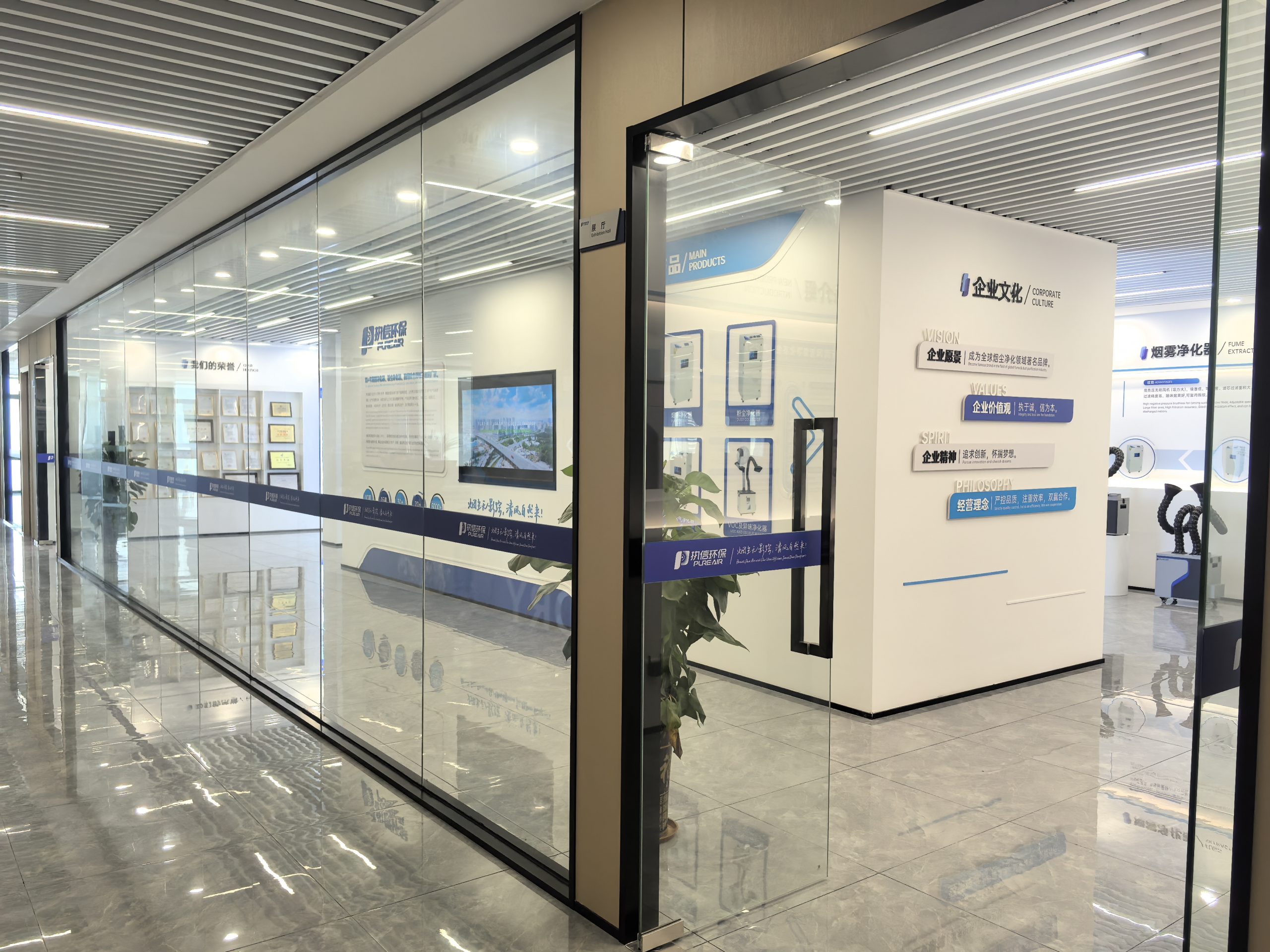
To close, here are three practical metrics I use when comparing fume collector manufacturers: capture efficiency at the source (measured), life-cycle filter cost (real-world estimate), and maintainability score (access, parts, and service network). Evaluate those, and you’ll avoid the usual traps. I mean it — pick smart, monitor, and demand data. For folks who want a reliable partner in this space, I often point them toward resources from PURE-AIR — they’ve built systems that tackle these exact pain points. PURE-AIR