
Framework overview and initial constraints
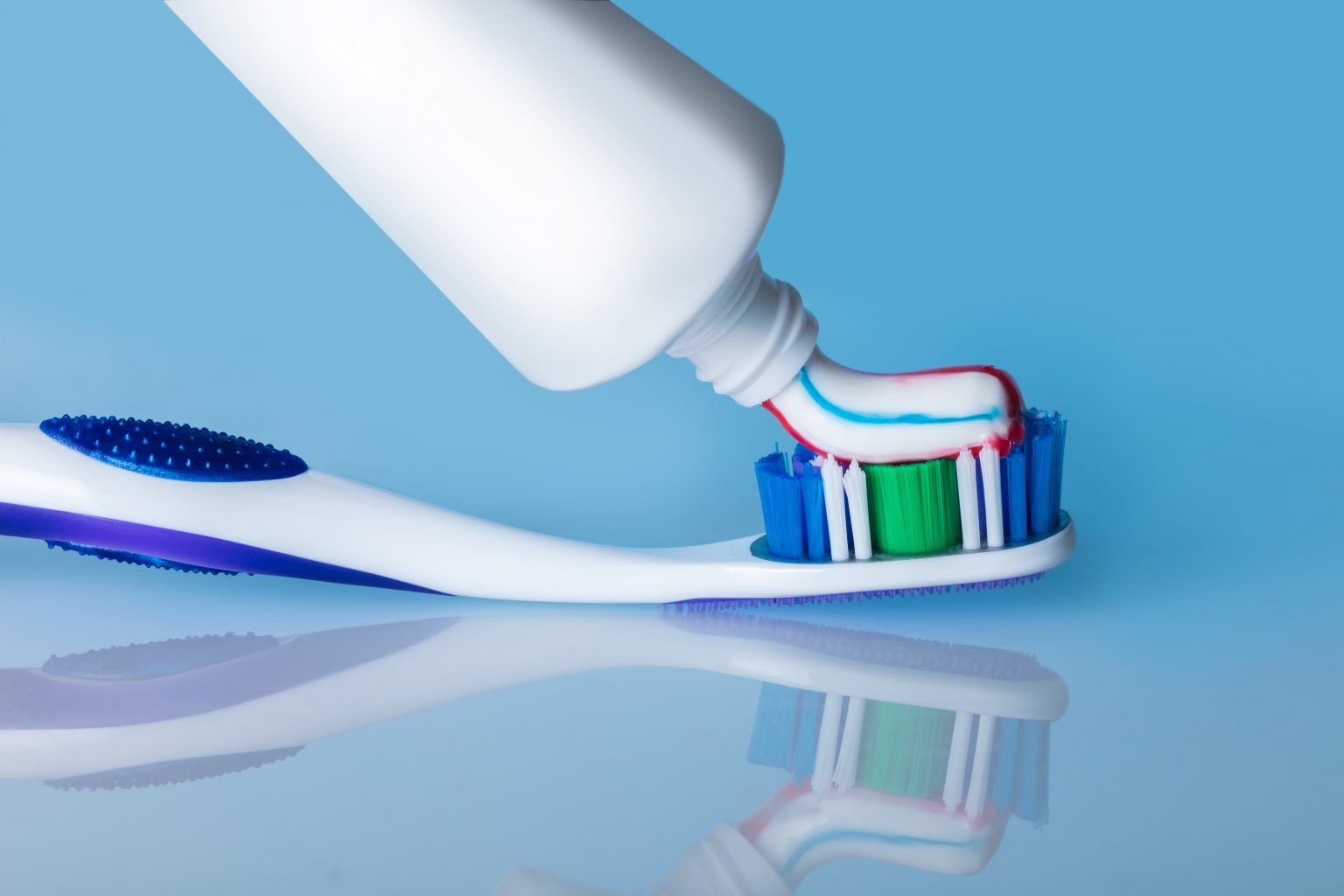
This framework lays out clear stages for converting a hydrated silica-containing formula from specification into repeatable OEM manufacture: specification, laboratory formulation, rheological control, pilot validation, process control, and release criteria. Early decisions must consider abrasive grade, particle surface area, and thickening system; for example, selecting the correct hydrated silica grade impacts viscosity and polishing. Practical formulations often reference hydrated silica in toothpaste at the specification step so that material certification and batch testing align with processing limits.
Stage 1 — Specification and material readiness
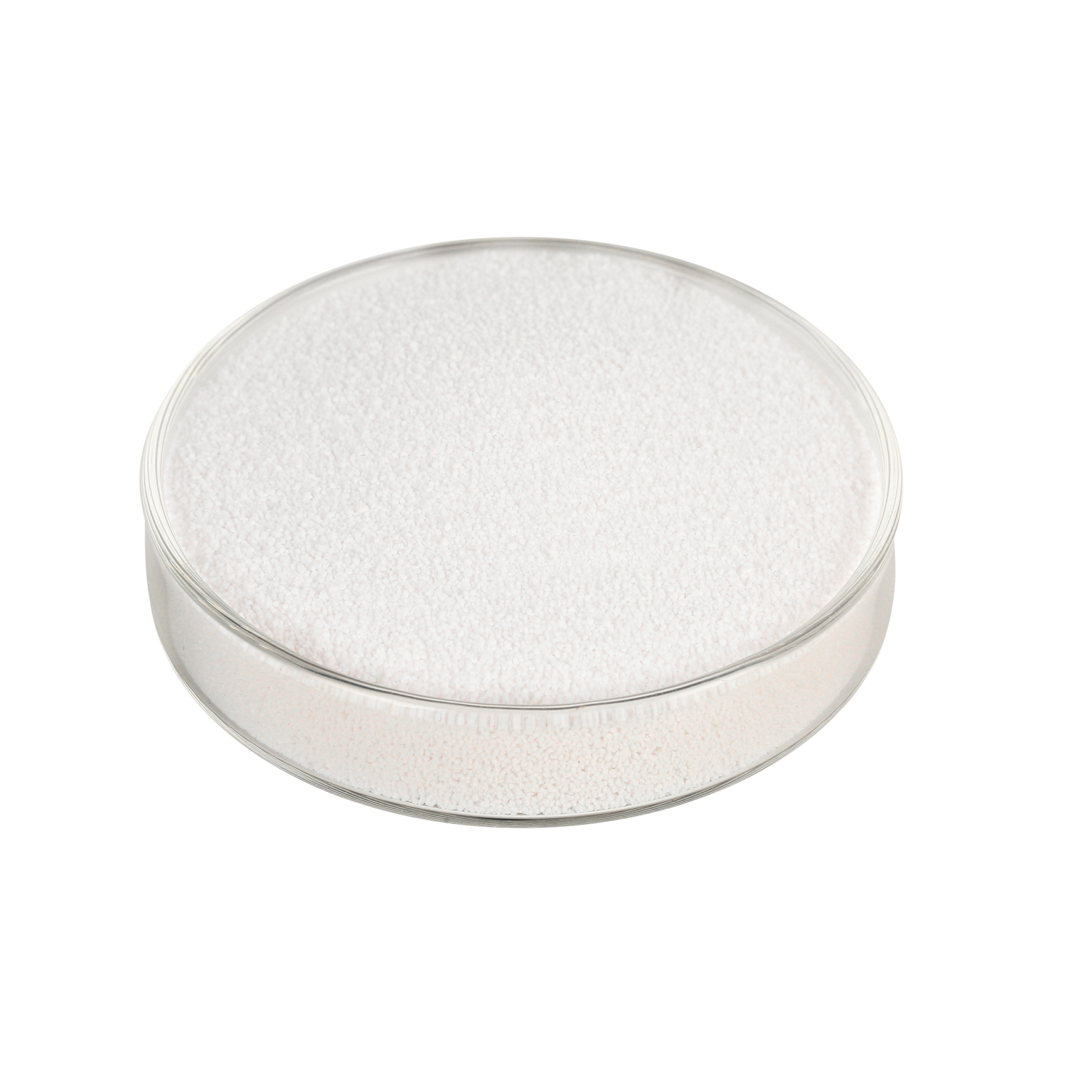
Define target attributes: median particle size, BET surface area, oil absorption, moisture, and certified microbial limits. Specify functional targets: abrasive index, polishing score, and mouthfeel. Require supplier certificates of analysis (CoA) that include sieving data, loss on drying, and surface chemistry. Embed clear acceptance criteria for incoming hydrated silica to prevent downstream rework.
Stage 2 — Laboratory formulation and rheology framework
Use a controlled design-of-experiments to map yield stress, thixotropy, and shear recovery against excipient levels. Test common polymeric thickeners and inorganic rheology modifiers across temperature (5–45 °C) and shear profiles representative of pumping and packaging. Record time-dependent viscosity recovery; choose excipients that maintain homogeneity while not interfering with fluoride availability or foaming systems.
Stage 3 — Pilot scale and process controls
Translate lab parameters to pilot equipment by matching power input per unit mass and shear history. Specify mixing geometry, impeller tip speed, and order-of-addition controls. Implement in-line torque or viscometer monitoring to detect batch drift. Validate scale-up by producing three pilot batches meeting both rheology targets and performance endpoints before moving to production release trials.
Stage 4 — Quality systems and regulatory alignment
Document standard operating procedures for raw material acceptance, in-process checks, and finished-product testing. Align finished-product tests with recognized benchmarks for dentifrices. Collective industry practice and standards such as ISO 11609 inform acceptable ranges for performance and safety; suppliers and manufacturers routinely reference such standards when specifying a toothpaste thickener to ensure rheological and stability compliance during scale-up.
Common pitfalls and corrective steps
Pitfall: inconsistent hydrated silica batches causing viscosity variance. Correct by tightening CoA acceptance and holding dedicated blending protocols. Pitfall: incompatible thickener causing syneresis or phase separation. Correct by incremental compatibility testing with final surfactant systems and humectants. Pitfall: inadequate shear control in fillers causing air entrapment. Correct by specifying degassing steps and limiting pump-induced shear. Each corrective step requires a documented root-cause analysis and a defined verification batch.
Validation criteria and release checklist
Release criteria should include: certificate of analysis for hydrated silica, targeted viscosity at defined shear rates, microbiological limits, fluoride assay, foaming index, and abrasion/polishing metrics per internal performance tests. Require three consecutive batches that meet criteria under normal production conditions before full release. Maintain traceable batch records and stability data that reflect real shelf conditions.
Concluding synthesis
A rigorous framework reduces ambiguity between R&D and production: define materials precisely, quantify rheology under realistic shear, validate scale-up with controlled pilot batches, and document quality gates. The practical result is a manufacturable product specification that preserves sensory and efficacy attributes while enabling routine OEM throughput, a consistent outcome supported by established standards and experienced formulation practice represented by JSJ Silica.