
Why prototypes keep derailing projects
Designers and procurement teams talk past each other until a late prototype comes back with the wrong finish, bent tabs, or holes off by a few tenths — and then the whole schedule slips. I’ve seen a project lose two sprints because a precision parts manufacturer interpreted surface finish differently than the design intent. Problem-first thinking fixes that: identify where prototypes fail, then change the inputs so the shop produces a testable part the first time.
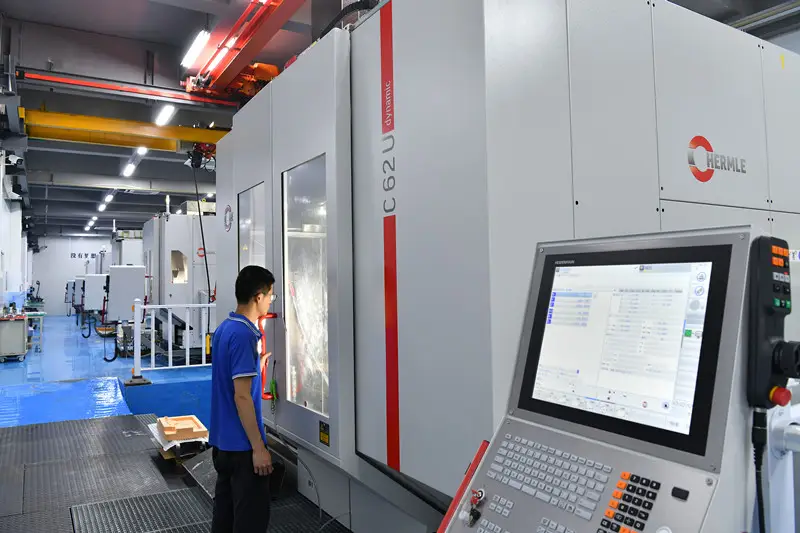
Top mistakes that cause rework
Wrong material choice for the test conditions; specifying tolerances tighter than the function requires; tiny features that exceed tool reach; ambiguous notes about burr removal or anodize; assuming rapid-turn means same quality as full-production — those are repeat offenders. Call out function, not just dimensions: say “mating pin clearance for 0.5 mm O-ring” rather than listing a tolerance that hides the purpose.
Design rules that save cycles and money
Keep hole sizes at least 1.5× the smallest drill recommended for the material. Use radii where possible; sharp internal corners need EDM or special cutters. Call out critical datums and which features are inspected. Specify surface finish only when it affects assembly, sealing, or wear. Push down the tolerance band for fit-critical interfaces and relax everything else to ±0.2 mm or larger when function allows. Add removable sacrificial features if you need to test post-machining operations without scrapping the whole part.
How real teams validate choices (experience and a real-world anchor)
After building quick fixtures and running multiple iterations on the shop floor, teams stop guessing and start measuring. At Hannover Messe I watched suppliers explain lead-time trade-offs that engineers didn’t expect: faster setups can mean different tooling and slightly altered corner radii. That practical feedback loop is exactly why people talk about prototype manufacturing as a discipline — it’s not just machining, it’s learning fast with measurable results.
Alternatives and when to pick them
Choose metal CNC when mechanical strength, surface tolerance, and repeatable threads matter. Go additive when complex internal channels or very low-volume geometry is the priority. Consider hybrid: 3D-printed cores plus machined mating faces for controlled tolerances. If timeline beats perfect cosmetic finish, accept a standard shop finish and reserve premium finishing for later stages.

Common pitfalls to avoid on the buy side
Don’t under-document functional tests or assume a single email exchange sets expectations. Don’t accept “we’ll make it work” as a specification. Ask shops for a short inspection plan and a photo of the first-back part before full runs. Price out a small pilot batch to validate assembly rather than launching a single costly machined unit that can’t be repaired.
Where this leaves your process
Cut the guesswork by defining function, tolerances tied to that function, and simple inspection gates. That approach reduces iterations and makes supplier conversations productive — and you’ll notice vendors that provide consistent process notes and quick, traceable feedback. When your goal is fewer surprises and clearer handoffs, Hanstar tends to show the practical value of that method without overpromising.