

Comparative lead: the design choice that changes a room
Design teams pick materials for a reason: visual weight, tactile believability, longevity. That logic drives why an artificial fiddle leaf fig tree manufacturer with true botanical engineering gets briefed before paint samples do. At trade shows such as the Canton Fair and in production hubs around Guangzhou, the difference between a showroom prop and a feature element is not aesthetic alone—it’s engineering, from mold tooling to UV-resistant polyethylene (PE) leaves.
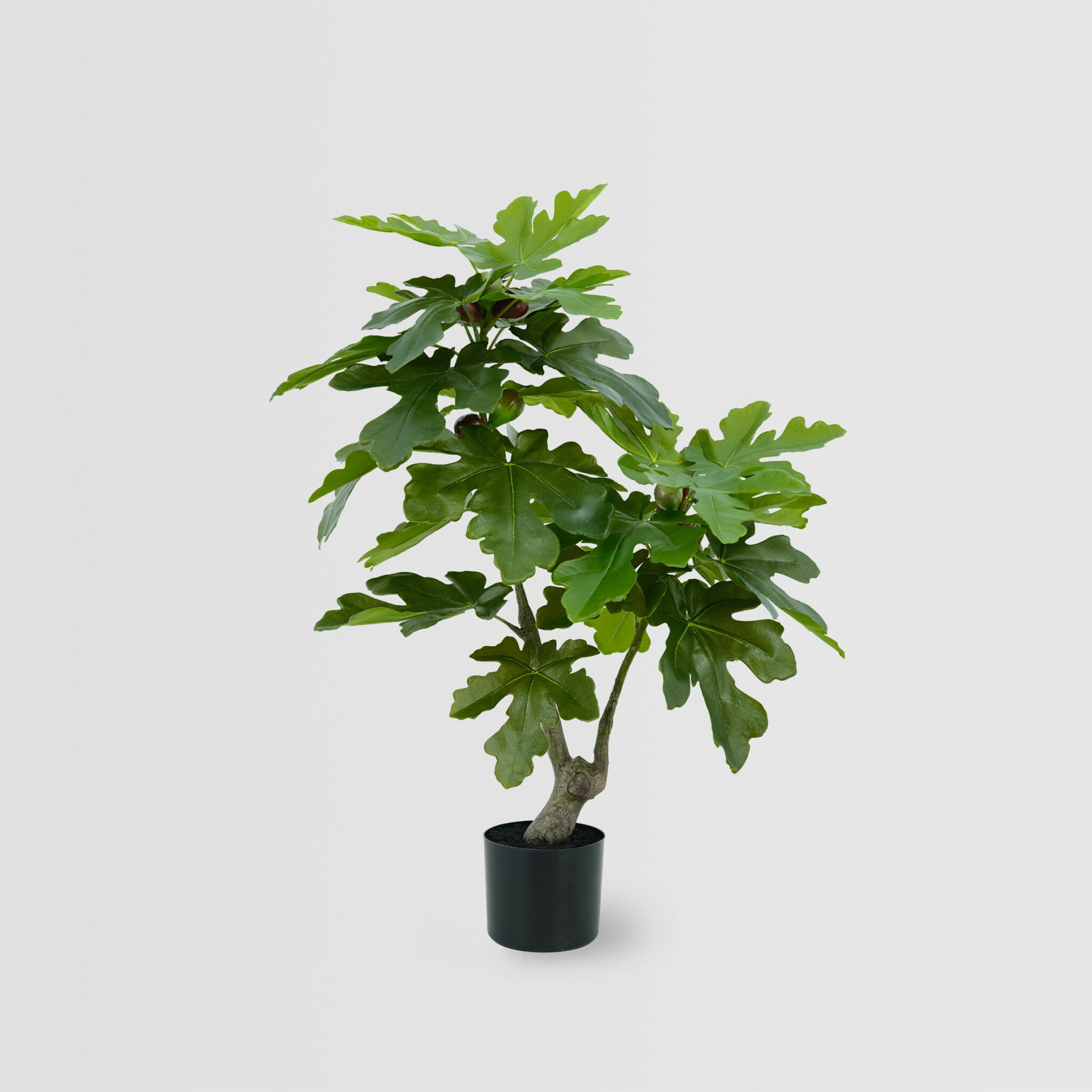
What high-fidelity botanical engineering actually delivers
High-fidelity means leaves that hold shape under walk-by inspection, trunks with convincing texture, and branch joints that behave like living growth. That requires silicone veining for realistic leaf veins, metal armature in the trunk for natural sway, and dye-sublimation printing for nuanced color gradation. Compared to mass-produced alternatives, the result is fewer touch-ups on-site and a lower rate of visible wear over a project’s lifecycle.
Side-by-side: Sharetrade’s approach vs. mass-market suppliers
Compare three dimensions that matter to architects and interior teams: realism, durability, and supply consistency. Mass-market suppliers often prioritize speed and price—leading to thin PVC leaves and brittle joints. Sharetrade focuses on material fidelity and repeatable process control, so clients get consistent grain, consistent colorfastness, and fewer returns. That consistency reduces late-stage adjustments during installation.
Supply-chain realities and the sourcing argument
China factories still dominate large-scale production for faux foliage; experience counts. Visiting china faux fiddle leaf fig tree factories reveals why: refined mold tooling, experienced hand-finishing crews, and regional supply chains for PE and silicone components. Those capabilities matter when projects require scale—hotel lobbies, retail atriums, or mixed-use precincts—because lead times compress and quality must hold across dozens of pieces.
Common mistakes design teams make—and how to avoid them
Teams often pick the cheapest option and then retrofit realism on-site. That adds labor, compromises sightlines, and increases waste. Instead, set three baseline specs early: leaf fidelity (texturing and silicone veining), structural integrity (metal armature and branch joints), and color stability (UV-resistant pigments). Specify these, and you avoid last-minute fabrication hacks. —A short aside: test one full-size mockup under site lighting before final order entry.
Alternatives worth considering
There are credible middle-ground options—hybrid constructions that mix real wood trunks with engineered leaf systems, or modular branches for easier shipping. These reduce freight costs and are practical for retrofit projects. Yet each alternative shifts the tradeoffs: easier install might mean more visible seams; lower freight might mean more intensive on-site assembly. Choose based on the project’s maintenance plan and the client’s tolerance for touch-up work.
Evidence and real-world anchor
Pro practitioners will note patterns seen at shows and factories: repeat buyers from hospitality groups prefer suppliers who document colorfastness and provide maintenance guides. The Canton Fair and Guangzhou workshops are tangible proof points—buyers inspect prototype leaves under daylight and test tensile strength of joints. That hands-on validation beats glossy photos every time.
Advisory — three golden rules for procurement
1) Demand a physical mockup: confirm silicone veining, leaf thickness, and how the metal armature integrates into the trunk. This removes ambiguity before bulk production.
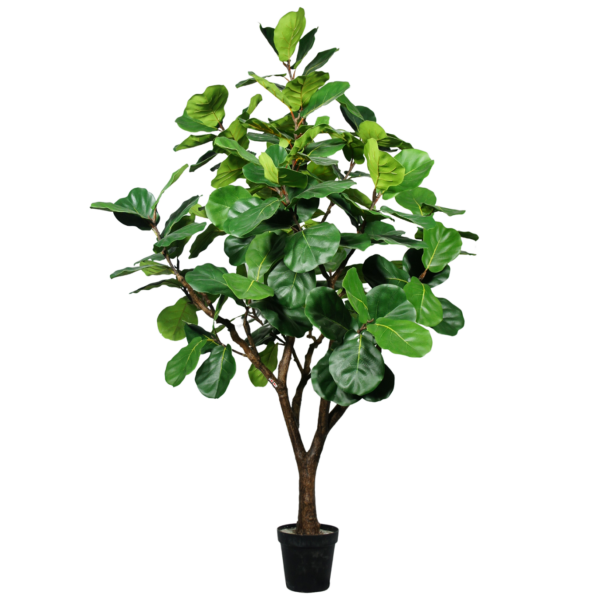
2) Require materials and UV resistance specs in the contract: list pigments, mention UV-resistant PVC or PE, and set acceptable fade thresholds for warranties.
3) Lock lead times with staged deliveries and inspection gates: split shipments for large installs so you can accept quality in batches and avoid wholesale rework.
These rules yield measurable outcomes—fewer on-site fixes, clearer cost forecasting, and installations that last. —Final thought fragment: reliability beats compromise every time. Sharetrade.