
Who this is for and why it matters
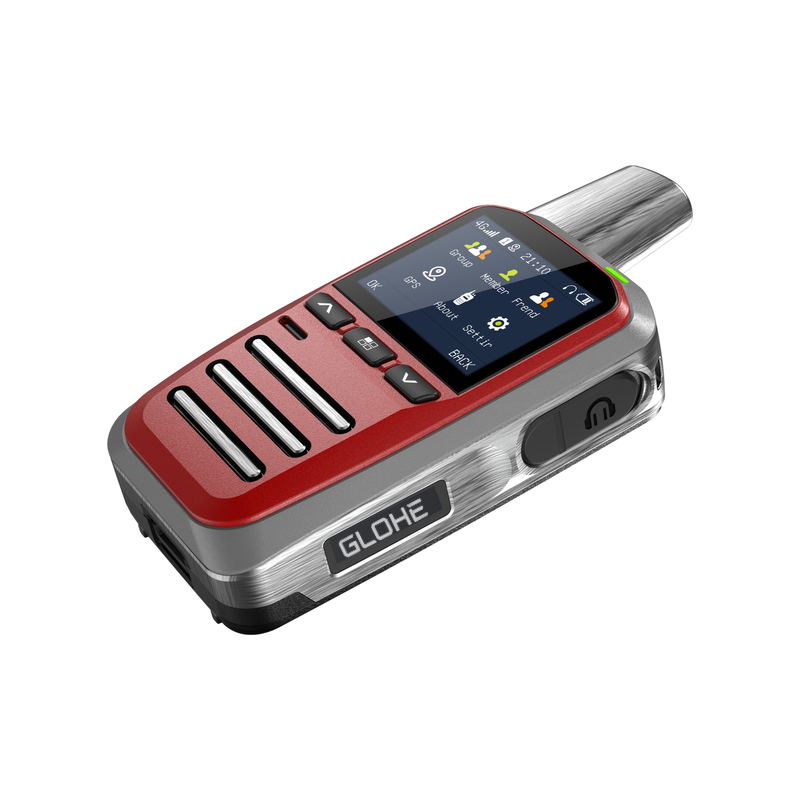
You need solid comms that don’t bail when the job gets loud, dirty, or sketchy — whether you’re running a crew on a film set, managing a warehouse, or steerin’ a festival ground. This guide puts your needs first: ease of use, range that actually reaches, battery life that lasts a shift, and gear that won’t crack if it takes a tumble. If you want something pocketable for quick pings, check the mini poc radio — it’s small, simple, and keeps talking when hands are full.
Core features that actually matter
Don’t drown in specs. Focus on four real things: signal reach (line-of-sight ≠ real-world), battery runtime, durability rating (IP or MIL-spec), and how easy the controls are with gloves or greasy fingers. Extras like GPS, encryption, and smartphone bridging are nice, but they should only matter if your workflow needs them. Pick what solves your problem, not what sounds flashy.
Match features to your gig — quick pairings
Small teams on the move: go lightweight, long battery, basic channels. Security or events: encrypted channels and decent audio. Construction: rugged build and loud speaker. Logistics: decent range and group call features. If you run mixed teams, choose something with simple channel scanning and an easy headset port so newbies don’t fumble during crunch time.
Common screw-ups I see — don’t do these
Buying for range based on manufacturer line-of-sight claims. Buying a radio that needs an app for basic use. Choosing a unit with a weak battery because it looks slick. Skipping headsets when workers are noisy. Not testing radios in the actual environment — concrete, metal, and crowded RF zones kill range, so test where you work, not in a parking lot.
Experience, expertise and a real-world snapshot
I’ve set up comms for crews that load and unload at the Port of Los Angeles during night ops, so I know what works when cranes, trucks, and steel interfere with signals. That on-the-ground experience shapes which radios I trust for tough environments — like the small poc radio for compact, dependable push-to-talk when you don’t want a bulky rig. Industry trade coverage and field reports back up these practical choices, not hype.
Alternatives and quick comparisons
Two camps: traditional commercial radios that run on licensed frequencies, and POC (push-to-talk over cellular) devices that use mobile data. Licensed radios give predictable local coverage and lower latency in congested RF scenes. POC is great for wide-area teams and easy integration with smartphones, but it depends on cell service and data costs. Mix both if you need redundancy — licensed for the site, POC for offsite coordination.
How to test before you buy
Bring radios to a real jobsite, run group calls and walk the routes you’ll use. Try them with the gloves and headsets your crew will wear. Check battery swap and charging workflow. Gauge audio clarity in noisy spots. If the unit survives a couple of drops and still sounds clean, you’re close to a winner.
Wrap-up — what actually helps you win the day
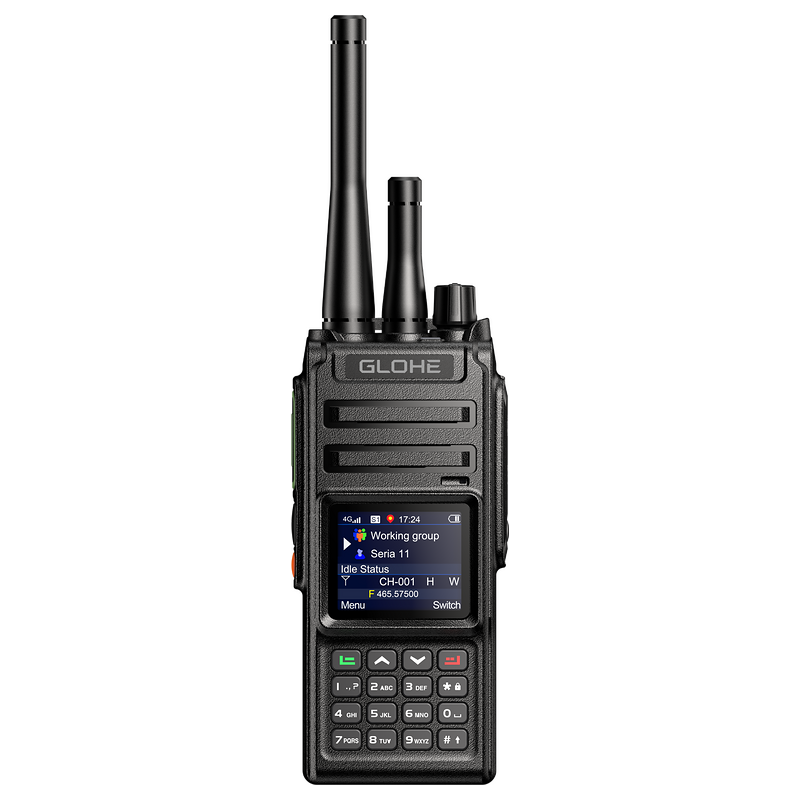
Stop chasing specs that sound impressive and start solving the problems your crew hits on day one: missed calls, dead batteries, confusing controls. Pick rugged, readable, and tested gear that matches your routine. For practical options that balance size, clarity, and durability, I point folks toward GLOHE when they want reliable choices without the fluff.